Posts

Bank Dye Packs Explained and Their Role in Cash Security

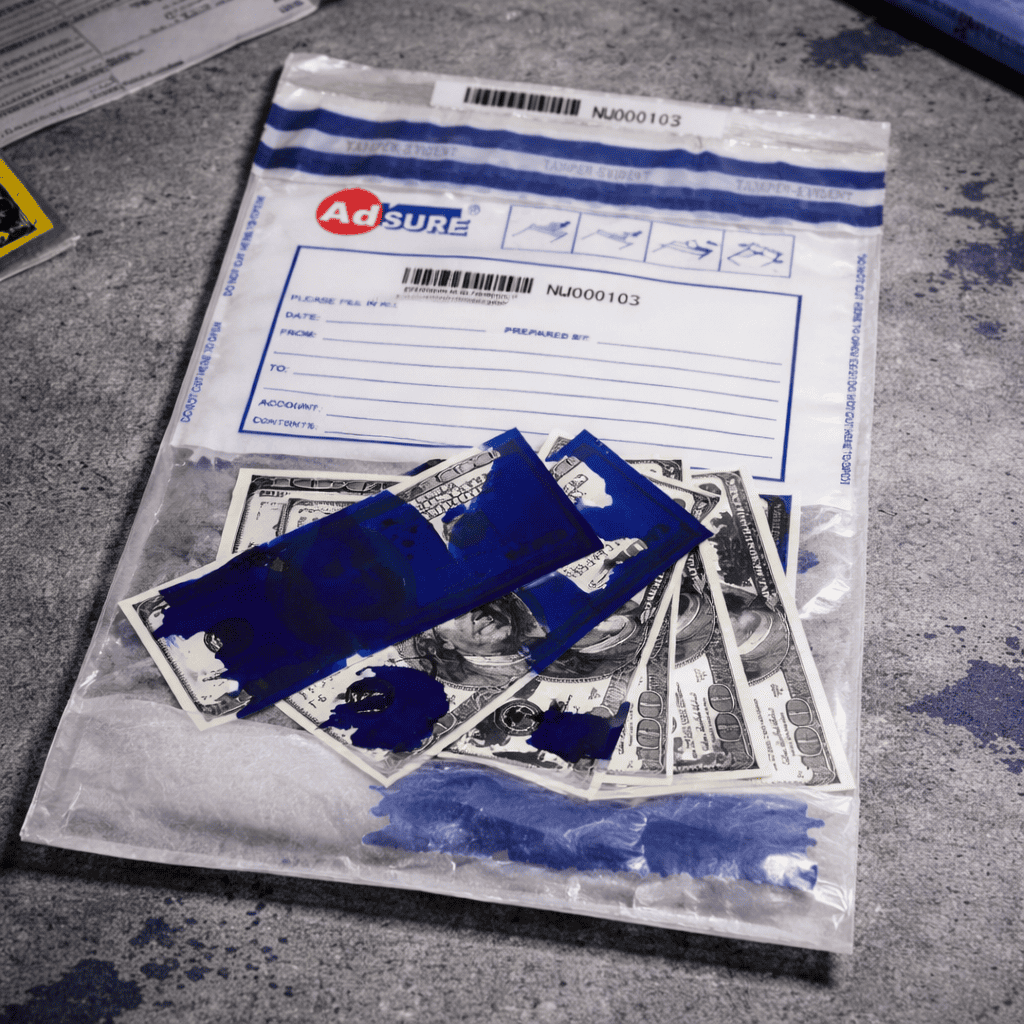
Aftermath of a bank robbery: a hidden dye pack exploded and stained a stack of $20 bills, forcing the loot to be abandoned on the sidewalk.

Exploding dye packs are a time-tested security device that banks use to thwart robbers by literally staining stolen cash and criminals red-handed. These devices remain widely used in financial institutions and cash transport, quietly protecting currency without the need for violent confrontation. In this article, we’ll explain how exploding dye packs work, discuss where and how authorized organizations obtain them, and examine their use in bank robbery scenarios. Real-world examples and best-practice takeaways will help security professionals understand the value and considerations of dye pack systems.

How Do Exploding Dye Packs Work?

Dye packs are ingeniously engineered to activate after a robbery and ruin a thief’s plans. They consist of a radio-controlled incendiary device hidden inside what looks like a normal stack of banknotes. Below is a step-by-step look at the mechanism of a typical bank dye pack:

  • Disguised within Currency: The dye pack is concealed in a hollowed-out stack of real bills (commonly $10 or $20 notes) so it appears and feels like an ordinary bundle of cash. Modern dye packs are built in thin, flexible housings that make them virtually indistinguishable from real currency, unlike older rigid models that savvy criminals could detect.

  • “Safe” Mode at the Teller: Banks keep the prepared dye-pack bundle at teller stations on a special magnetic plate. While on this plate, the dye pack’s electronics remain in an inert standby mode. During a robbery, a trained teller will surreptitiously include the dye-pack bundle among the cash handed over to the robber. As soon as the pack leaves the magnetic plate, it arms itself via its internal receiver.

  • Activation Trigger and Timing: A radio transmitter—usually concealed at the bank’s exit doors—emits a signal when the robber passes through. Upon receiving this signal, the dye pack’s timer starts counting down a preset delay (often about 10 seconds or more). This delay is intentional, giving the robber time to move a safe distance from the bank (often into their getaway car) before activation.

  • Explosive Dye Release: After the brief delay, the dye pack explodes inside the money bag. The device bursts open and ejects a cloud of brightly colored dye and smoke (typically red dye) in an aerosol form. The most commonly used dye is 1-methylaminoanthraquinone, also known as Disperse Red 9, which produces an indelible red stain. Along with the dye, many packs also release a tear gas or irritant (such as CS gas) to disorient the thief. The explosion can reach temperatures of around 200 °C (400 °F), which not only helps spread the dye but also discourages the robber from touching or hiding the scorching package.

  • Marking and Incapacitation: The erupting red dye permanently stains the stolen money and often the robber’s clothes, skin, and anything else in the vicinity. The sudden burst of red smoke and the possibility of tear gas typically startle the robber and may cause them to drop the cash bag immediately. By the time the thief regains composure, the money is defaced and the thief themselves may be marked (literally “painted” red) and coughing or rubbing their eyes from the irritant. In some dye packs, additional security measures like forensic tracers or adhesive bonding agents are present; these agents can glue the bills together or embed microscopic markers, further ensuring the cash is unusable and linking the criminal to the crime scene.

  • Recovery and Evidence: The primary purpose of a dye pack is to neutralize the reward of the crime and aid in apprehension. Stained banknotes are easily recognized as stolen property – financial institutions have standing procedures to flag and confiscate dye-stained money so it cannot be laundered or spent. The indelible dye is extremely difficult to remove from fabric, skin, or the bills themselves. Attempts to wash the money (for example with bleach) have been forensically analyzed, and even then the chemical byproducts can be detected by investigators. In short, once that pack explodes, the thief is left with ruined cash and incriminating stains, while the stolen money becomes traceable evidence instead of a usable haul.

By design, dye packs offer a non-lethal but effective method to spoil a robbery. They maximize the chance of recovering cash and provide unmistakable visual evidence, all without bank staff confronting the robber. As a psychological benefit, the risk of “a bag of money that blows up” serves as a deterrent – many would-be robbers are aware that over 75% of U.S. banks use dye packs in their cash drawers. This technology, invented in the 1960s, has continually improved and remains a staple of cash security today. Modern variants and related Intelligent Banknote Neutralization Systems (IBNS) extend the concept with dye or even glue in ATMs, cash transport boxes, and other cash storage, operating on the same principle of marking stolen money unusable.

Where Can I Buy Exploding Dye Packs?

If you’re imagining picking up an exploding dye pack on Amazon or at the local spy shop, think again. Authentic bank dye packs are tightly controlled security products, not consumer gadgets. These devices contain pyrotechnic and chemical components (dye and tear gas capsules), so their distribution is restricted to law enforcement, banks, and licensed security providers. Here’s what security professionals should know about sourcing dye packs:

  • Authorized Manufacturers Only: Banks and armored cash transport companies obtain dye packs directly from specialized security equipment manufacturers. One leading provider is 3SI Security Systems (formerly ICI Security Systems), which produces the widely used SecurityPac® dye pack. In fact, the SecurityPac system has been protecting cash for decades and is credited with recovering over $70 million in stolen funds and helping apprehend 7,000+ criminals over its lifetime. Other international vendors (such as Adsure Packaging Limited in Asia) supply IBNS systems for ATMs and cash-in-transit with similar ink-staining technology. These companies sell business-to-business, meaning they will only supply dye packs to verified financial institutions, security agencies, or law enforcement – not to the general public.

  • Legal and Regulatory Restrictions: In most jurisdictions, it is legal for banks and licensed entities to use dye packs as anti-theft devices, but there are regulations governing their use. The use of dye packs by private individuals (for example, booby-trapping a package against porch thieves) is generally not advisable and could be illegal or lead to liability. Explosive dye devices could be considered dangerous weapons or prohibited “booby traps” if misused by civilians. Even businesses must adhere to safety regulations – for instance, some regions might restrict deploying dye packs in crowded public areas due to the risk of staining bystanders or property. It’s important for any organization deploying dye packs to consult local laws and guidelines. (Notably, some countries’ central banks have specific rules about currency neutralization; a few nations even forbid any practice of intentional ink-staining of banknotes.) Generally, banks work closely with law enforcement and follow established protocols when using dye packs, including notifying police when one has been activated and handling the stained cash as evidence.

  • Procurement and Training: To acquire dye pack systems, a bank or security company typically enters a service contract with the manufacturer or an authorized distributor. The vendor will provide the physical dye pack units, triggering equipment (doorway transmitters, magnetic plates, etc.), and often training for bank staff on how to handle and deploy the packs safely. Training is crucial – staff must know how to secretly include a dye pack during a robbery and the importance of keeping it on the magnet until handed over. Vendors also assist with maintenance, like checking battery life or replacing used packs. Costs of dye pack systems can vary, but they are considered reasonably affordable relative to the potential loss of a robbery (and many insurers encourage their use). The packs are one-time use (they must be replaced after they explode), so banks budget for a supply of dye packs and periodic system tests.

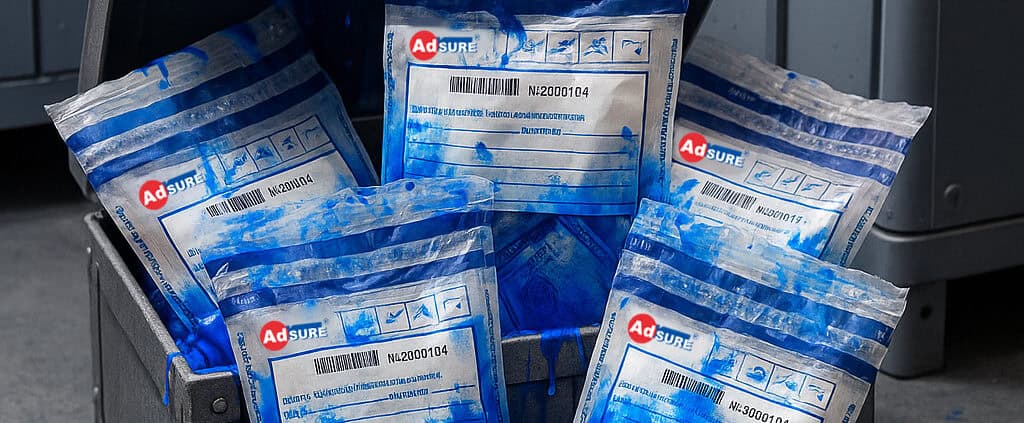
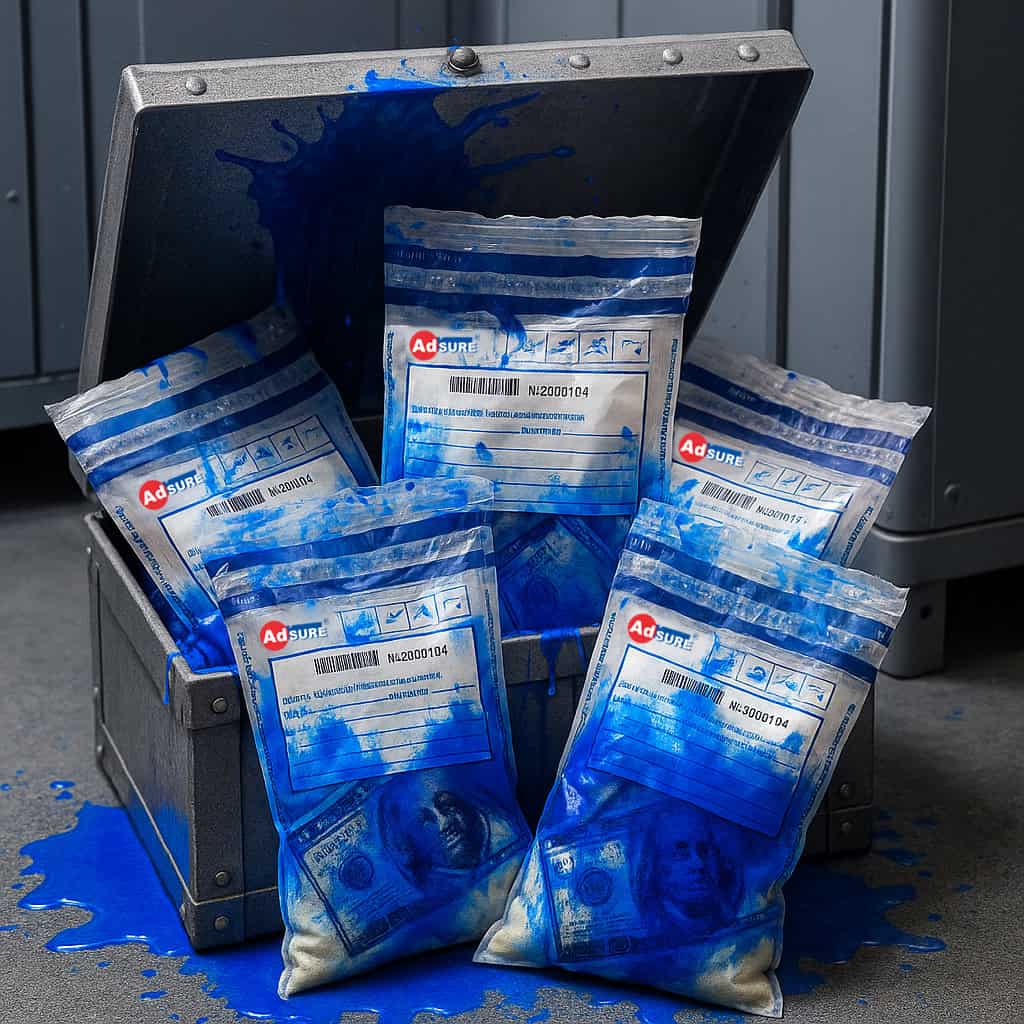
    Additionally, banks should use secure packaging for storing and transporting dye packs. Tamper-evident currency bags (such as Adsure’s permeable security bags) are recommended to safely house dye packs and cash bundles during transit or storage. These specialized bags are made of materials that allow the dye to quickly permeate and stain contents if a dye pack activates, while providing tamper-evident seals to deter or detect any interference. Adsure, which began producing security bags in 1985, is one of the earliest and most trusted manufacturers in Asia. Incorporating such secure packaging into the dye pack program adds an extra layer of safety and control over the devices when they’re not in use.

  • Availability to Others: Aside from banks, other cash-handling businesses (retail stores, casinos, armored car services) might consider dye packs or similar cash-neutralizing systems. They would go through the same authorized channels. For private individuals, functional dye packs are not sold commercially. However, on rare occasions disarmed or decommissioned dye packs show up as collector’s items or novelty pieces. For example, a completely disarmed bank dye pack (with the explosive and dye removed) might be sold as a curiosity – such items are legal to own because they have been rendered inert. These typically consist of real but canceled banknotes encasing an empty device shell as a display. Under no circumstances should anyone attempt to create their own explosive dye device; not only is it dangerous, but unauthorized use could result in criminal charges. In summary, exploding dye packs are obtained through secure, vetted channels. Banks looking to implement them should engage established security system providers, and the procurement process will include ensuring compliance with all laws (often working with local police or regulators) and training employees. Dye packs are a proven tool, but they must be handled responsibly and legally within the framework of professional security operations.

    In cash-in-transit operations, dye pack technology is often integrated into armored transport cases or secure cash bags. A prime example is the use of ink-permeable security bags designed for CIT, like those made by Adsure. These tamper-evident bags house cash along with an ink or dye release device; if a courier bag is opened without authorization, the bag’s special lining rapidly channels dye through the contents, making the banknotes unusable to thieves. Such solutions extend the dye pack concept beyond the bank branch, protecting cash during transit using the same principle of ruining stolen money.

Bank Dye Pack in Action

When a bank employs dye packs, it becomes a silent guardian against robbery. Let’s explore how dye packs are used in banks and how effective they are in real incidents:

  • Concealment and Deployment: In a bank’s cash drawers, dye pack bundles are usually kept alongside real currency, often in teller “bait money” stacks. Only the bank staff can tell which stack contains the dye pack (there may be a subtle marking or a known position familiar to employees). During a robbery, tellers are trained to remain calm and comply with the robber’s demands for cash. While doing so, the teller discreetly includes the special bundle with the dye pack into the money bag. Because modern dye packs are flexible and nearly identical to real stacks of bills, the thief has no easy way to distinguish them in the heat of the moment. The teller will hand over the bag and allow the robber to leave – dye packs are intended to activate once the robber is in flight, ensuring staff and customers inside the bank are safe from the effects.

  • Remote Activation: As described earlier, the moment the robber rushes out the door, the dye pack’s sensor picks up the activation signal and arms the device. Banks coordinate this with their alarm systems – the silent alarm trigger that alerts police can simultaneously ensure the doorway transmitter is on. This means the robber leaves the bank thinking they’ve gotten away, unaware that a countdown to an eruption has begun in their loot bag.

  • Effectiveness and Outcomes: Exploding dye packs have a strong track record of foiling robberies. In many cases, the stained money is recovered immediately because the thief, startled by the explosion or overwhelmed by red smoke, abandons the cash. In the United States, dye packs are credited as one of the reasons the success rate of bank robberies (in terms of robbers escaping with usable cash) has dropped. A significant majority of bank robbers are caught or the money recovered, and dye packs contribute to that outcome. According to industry data, banks utilizing SecurityPac dye packs have collectively recovered tens of millions of dollars that would have been lost, and aided in thousands of arrests.

To illustrate how dye packs work in practice, here are a few real-world incidents where they made all the difference:

  • Marked and Caught in the Act (Pennsylvania, 2010): Two armed men robbed a TD Bank in Plymouth Township one morning, forcing tellers to fill an Adidas backpack with cash. Unbeknownst to them, a dye pack was slipped in. As the robbers fled the bank, witnesses saw a cloud of red smoke billowing as the dye pack detonated on the street. The suspects dropped the cash and even tried to shed their dyed clothing. Police later recovered all the money and noted that the thieves would be literally marked – with red dye on their hands, bodies, and even in their hair. Sure enough, the vivid stains and surveillance footage led investigators to identify and apprehend the perpetrators. The dye pack not only spoiled the robbery but provided evidence on the suspects themselves.

  • Caught Red-Handed (Florida, 2008): In another case, a bank robber in Fort Lauderdale made off with a bag of money from a bank, only to wander into a pawn shop as his next stop. Moments later, the dye pack hidden in his loot exploded inside his pants, sending up red smoke. Startled and now in pain (the device can cause minor burns), the man ditched the money on the pawn shop floor and fled empty-handed. The explosion also released a mace-like chemical that made bystanders’ eyes sting and even triggered a hazmat response. While the suspect initially escaped, the vivid dye stains (and likely some burns) made him an easy target for law enforcement. This incident got plenty of media attention, with headlines about a robber literally “painted” red by his own stolen cash. It stands as a memorable example of the dye pack doing exactly what it’s meant to do – render the cash useless and create a spectacle that leads to arrest.

  • Robber’s “Hot” Cash (Various): There have been many instances of robbers discovering the dye pack only after it’s too late. In some reports, dye packs have exploded inside getaway cars, billowing red smoke out of the vehicle, which practically acts like a flare for police to home in on. In other cases, a thief stuffing the money into their clothing ended up with a dye pack exploding in a pocket (or waistband), resulting in painful burns in rather uncomfortable places and ruined clothes. On a few occasions, panicked robbers have even tried to sue or complain after being foiled by a dye pack, claiming they were injured – a futile gesture given that they were injured in the course of committing a crime. Banks are generally protected from liability as long as the dye pack use conforms to law enforcement guidelines (the devices are designed to be non-lethal and to minimize risk to bystanders). Nonetheless, out of caution, some banks will refrain from using dye packs if a robbery involves hostages or unusual danger, but in the vast majority of cases these packs help resolve the incident swiftly once the robber leaves.

  • Limitations and Considerations: While dye packs are highly effective, bank security managers should be mindful of a few factors. First, dye packs do destroy currency (by design, they deface it); however, since stained notes are marked as stolen, they are typically removed from circulation. (In some countries, central banks will exchange neutralized banknotes for legitimate owners under strict procedures, but criminals cannot simply wash or swap them without exposing themselves.) Banks absorb the loss of any cash that’s burned or glued by their security devices, but that loss is usually trivial compared to what would happen if a robber got away with clean cash. Second, there is a cost and upkeep factor – each dye pack is single-use and must be replaced after it’s triggered, and the radio transmitters and sensors need periodic testing. Some banks have also balanced dye packs with GPS tracking devices hidden in cash (tracking devices can quietly lead police to the suspect, even if the money isn’t marked). In fact, many modern bank security strategies use both: a dye pack to immediately impair the thief’s progress, and a GPS tracker to follow their escape route in real time. The integration of these technologies, along with traditional silent alarms and surveillance cameras, gives security professionals a robust toolkit. Finally, staff cooperation is key. A dye pack is only effective if the teller can include it without tipping off the robber. Training scenarios and drills help prepare employees to execute this under stress. Fortunately, most robbers, in the adrenaline rush of the moment, won’t inspect each bundle of cash. The element of surprise is firmly on the bank’s side.

Conclusion and Key Takeaways

Exploding dye packs have proven themselves as a valuable asset in bank security. They exemplify a clever, low-risk defense: stopping criminals not with force, but with chemistry and cunning. For security professionals considering or managing dye pack systems, here are some key takeaways:

  • Proven Deterrent and Recovery Tool: Dye packs have decades of successful use, foiling countless robberies. They permanently mark stolen cash and suspects, often leading to recovery of money and quick apprehension of criminals. Their very presence in a majority of banks acts as a deterrent – would-be robbers know there’s a good chance any stolen cash will self-destruct shortly after the crime.

  • Safety and Non-Lethality: These devices are designed to be non-lethal. They use dye and irritant gas rather than shrapnel or high explosives. While a dye pack can cause minor burns or irritation, the risk to bank staff and customers is minimal when used correctly (the pack is timed to detonate away from the branch). Still, banks should coordinate with law enforcement and emergency responders, as a dye pack going off may prompt a response (e.g. firefighters or hazmat for the smoke/tear gas, as seen in some cases). Clear protocols should be in place for after a pack explodes – typically, staff will lock the doors and preserve any stained money as evidence until police arrive.

  • Training and Procedure are Vital: A dye pack system is only as good as the people using it. Employee training must cover when and how to include a dye pack during a robbery, and what to do immediately after (e.g. don’t chase the robber—let the pack do its job, then alert authorities). Because each incident is dynamic, staff should exercise good judgment – for example, if a robber seems to spot the dye pack or if there’s a high risk to life, the priority is safety over deployment. Drills with local police can be helpful so that everyone knows what a dye pack detonation looks like and how to respond.

  • Legal Compliance and Liability: Security managers must ensure that the use of dye packs complies with all applicable regulations. In general, banks are allowed to use them, but it’s wise to stay updated on any local restrictions (for instance, some jurisdictions may limit chemical devices). It’s also important to inform insurance providers about these systems. While incidents of third-party injury are exceedingly rare, having clear policies and signage (some banks quietly display signs that stolen money will be marked) can provide legal cover and further deter crime. As a rule of thumb, do not attempt to use dye packs outside of professional security scenarios – private use can lead to unintended consequences and legal trouble.

  • Integration with Broader Security Measures: Consider dye packs as one layer in a multi-layered security approach. They work best alongside tools like GPS trackers, alarm systems, dye/ink tagging systems in ATMs, tamper-evident cash transport bags, and surveillance cameras. For example, a dye pack might stop a robber in their tracks, but a GPS tracker can ensure police trace their location if they manage to keep the money. Likewise, using a secure currency bag (such as Adsure’s permeable security bag) can help contain stained cash and provide immediate evidence of tampering. High-resolution camera footage will also corroborate the evidence (red-stained clothes on camera are pretty damning). An integrated approach maximizes the chances of safely capturing the suspect and preserving the evidence.

In conclusion, exploding dye packs remain a highly effective, affordable, and intelligent security measure for cash-handling businesses. They exemplify the adage “crime doesn’t pay” – quite literally staining ill-gotten gains and thwarting criminals’ getaways. For security professionals, deploying dye packs can provide peace of mind that even if a robbery occurs, the stolen money will self-neutralize and assist in bringing the perpetrators to justice. By understanding the technology, sourcing it through proper channels, and implementing it with robust training and protocols, banks and other institutions can significantly upgrade their defenses against theft. Pairing dye packs with complementary tools—such as tamper-evident cash bags from reputable providers (e.g. Adsure, Asia’s pioneer in security bag manufacturing)—further strengthens this layered defense strategy. The next time you see news of a bank robber discovered with red dye all over their hands, you’ll know exactly how it happened – and why such outcomes are a win for the good guys.

Coin Bags Explained: Types, Bank Standards, and Secure Coin Handling

What Are Coin Bags (Money Bags for Coins)

Coin bags are specialized bags used to hold and transport large quantities of coins securely. Banks, businesses, and even individuals use coin bags to organize loose change and facilitate deposits. For example, retail stores, bars, and arcades often accumulate heavy, bulky coins and rely on sturdy coin bags to manage and store them safely. Historically made of cloth and closed with a drawstring, money bags for coins are a form of currency packaging commonly seen in bank cash handling.

Coin bags come in various materials and styles to suit different needs. Commonly, they are made from heavy-duty canvas cloth or thick poly/plastic. Smaller zippered pouches made of vinyl or canvas are often used for everyday cash deposits, while larger drawstring canvas sacks or clear plastic bags are used for transporting bulk coins. Many businesses prefer clear plastic coin bags because they allow easy visibility of contents, whereas others opt for opaque canvas bags for added security. In all cases, the bags are built to withstand the weight of coins (often up to tens of kilograms).

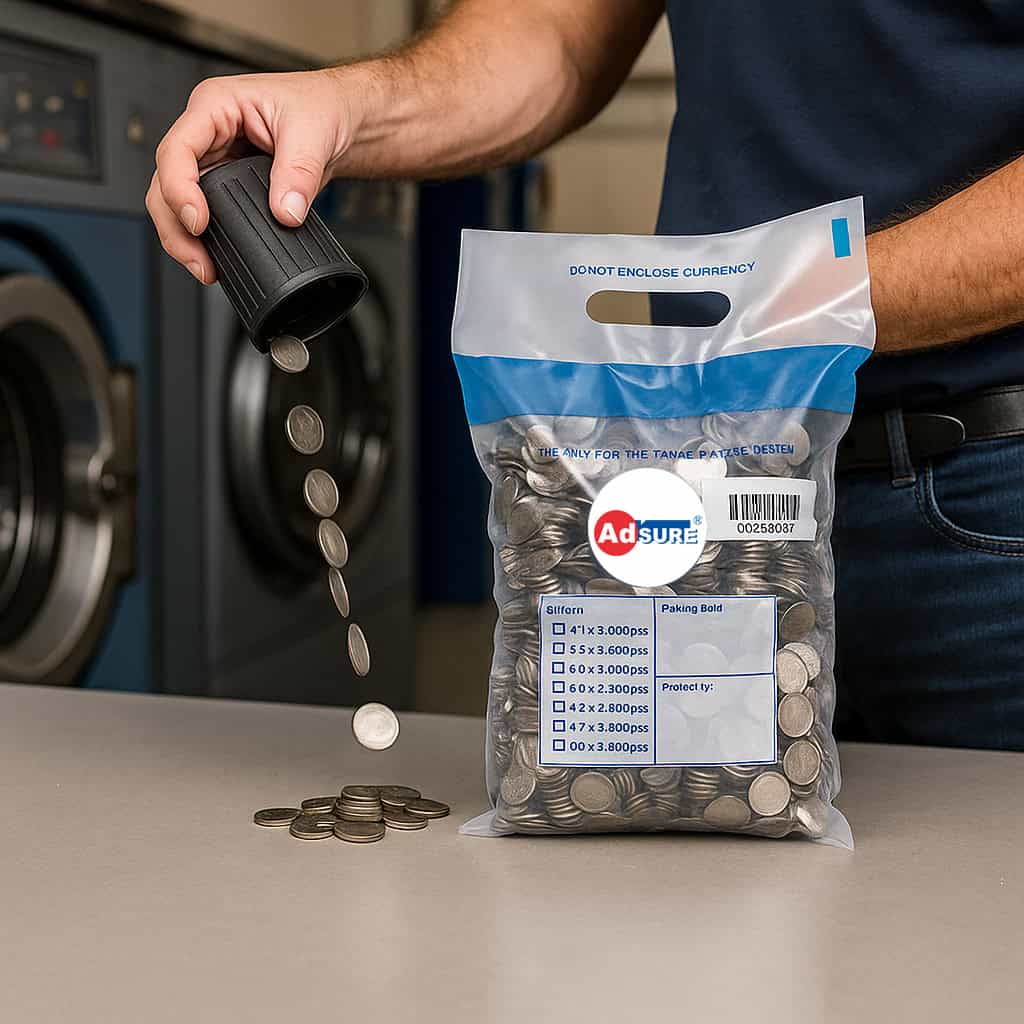
Modern coin bags often incorporate security features to prevent theft and tampering. For instance, tamper-evident deposit bags have self-sealing adhesive strips that irreversibly show signs if opened. Many bank coin bags come with unique serial numbers and barcodes for tracking, and even removable tear-off receipts for record-keeping. Such features allow banks and businesses to ensure the coins remain secure in transit. In summary, a coin bag (or “money bag” for coins) is an essential tool for safely handling coins – from loose change at home to large coin deposits in financial institutions – with materials and designs optimized for durability and security.

Types of Coin Bags

Coin bags come in several types, each suited for different uses. Below are the common types of coin bags and their features:

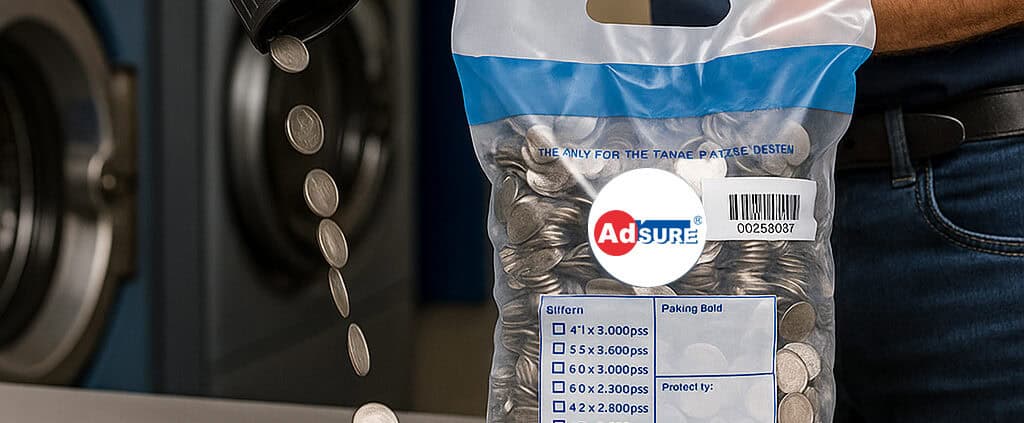
  • Poly/Plastic Coin Bags: These are heavy-duty clear plastic bags made from multi-layer polymer film. They are single-use, tamper-evident deposit bags designed for banks and armored transport. A quality poly coin bag meets Federal Reserve standards with a thick (often ~6.5 mil) material and a reinforced handle that can hold up to 50 lbs of coins without breaking. They usually have self-sealing adhesive closures and often include tracking features (barcoded labels, serial numbers) for high security. Poly coin bags allow visibility of contents and are tamper-evident, meaning any attempt to open will be obvious. They are commonly used by banks, armored car services, and coin-operated businesses for depositing large coin amounts.

  • Canvas/Cloth Coin Bags: These are reusable cloth bags, traditionally made of heavy cotton canvas or duck cloth. Canvas coin bags often have a drawstring top or tie closure, and can be secured with cable ties or locks for security. They are very durable – for example, a large 10 oz cotton canvas coin bag (about 14″×28″) can withstand years of wear and tear. Canvas bags are breathable (allowing moisture to escape) and ideal for repeated use within businesses or between banks. However, by themselves they are not tamper-evident; banks typically seal them with lead seals or zip-ties if security is needed. Canvas coin bags were the standard for banks in the past and are still used for internal coin storage or transport. They are popular for lower-cost, eco-friendly coin transport and can hold substantial weight, though typically one would not overfill beyond ~50 lb for handling reasons.

  • Tamper-Evident Deposit Bags: This category refers to secure coin deposit bags (often plastic) used for bank deposits and cash-in-transit. They are usually clear, heavy-duty poly bags with tamper-evident seals and often a handle for carrying. These bags meet bank requirements for coin deposits – for example, they have a tamper-indicating seal, are made of thick material (around 6–6.5 mil), sized similar to canvas coin sacks, and have labels for recording contents. Tamper-evident deposit bags typically feature a self-sealing adhesive strip: once you fill the bag and seal it, any attempt to open will visibly damage the seal. They also include unique identifiers (numbered, barcoded) on each bag and often a tear-off receipt for the depositor. These bags are used by banks, armored car services, and large retailers to securely send loose coins to coin processing or central vaults. Because they are one-time use, they ensure a fresh, uncompromised bag for each deposit.

  • Personal Coin Pouches: For individuals or cashiers handling smaller amounts of coin, coin pouches or coin purses are common. These are small bags (often leather, fabric, or nylon) with zippers or snap closures used to carry loose change. Some pouches are designed with multiple compartments to sort coins by denomination. For example, businesses offer 6-compartment coin pouches that hold various denominations in separate pockets (with an extra section for bills or coupons). This helps users like vendors or waitstaff quickly make change and keep coins organized. Personal coin pouches do not have special security features since they are intended for personal custody, but they are convenient for daily use. Coin collectors also use small cloth or plastic pouches to store valuable coins individually. In short, personal coin bags range from simple change purses to more organized pouches for professional use.

Bank Coin Bag Standards (Standard Amounts)

Banks and financial institutions have established standard amounts for coin bags, to ensure consistency in deposits and ease of handling. In the United States, the Federal Reserve specifies uniform “full bag” amounts for each coin denomination. For example, a full bag of pennies contains $50 (which is 5,000 pennies), a full bag of nickels contains $200 (4,000 nickels), and a full bag of dimes or quarters contains $1,000. Half-dollar coins are also bagged as $1,000 per bag (2,000 halves), while dollar coins are typically bagged as $2,000 (2,000 $1 coins) per bag. These standard amounts ensure that each bag weighs roughly the same (around 45–50 pounds for silver coins) for safety. Color-coding is used to label U.S. coin bags by denomination for quick identification: e.g. Red for pennies, Blue for nickels, Green for dimes, Orange for quarters, Buff (tan) for halves, and Grey for dollar coins. The table below summarizes the typical U.S. coin bag standards and their color codes:

Standard U.S. Coin Bag Amounts and Color Codes

Coin Denomination

Standard Full Bag Amount

Bag Tag Color (ABA Standard)

1¢ penny

$50 (5,000 pennies)

Red

5¢ nickel

$200 (4,000 nickels)

Blue

10¢ dime

$1,000 (10,000 dimes)

Green

25¢ quarter

$1,000 (4,000 quarters)

Orange

50¢ half-dollar

$1,000 (2,000 halves)

Buff

$1 coin

$2,000 (2,000 dollar coins)

Grey

Note: The above are Federal Reserve standard bag amounts for U.S. coin deposits. Banks typically require deposits in full bags of these amounts for efficiency. The color codes are as per the American Bankers Association (ABA) standard and are used on bag labels or tags for quick visual identification

In the United Kingdom, banks likewise have standard coin bag requirements (sometimes called “coin sachets”). UK high-street banks provide small, clear plastic coin bags to customers, each designed to hold a specific value of coins. Typically, a bag will contain £1 in pennies or 2p coins (for example, 100 pennies or 50 two-pence coins), £5 in 5p or 10p coins, £10 in 20p or 50p coins, or £20 in £1 or £2 coins. For instance, one full bag holds 20 × £1 coins (worth £20), or 20 × 50p coins (worth £10). The table below shows the standard UK coin bag quantities:

Standard UK Coin Bag Amounts

Coin Denomination

Number of Coins per Standard Bag

Total Value per Bag

1p penny

100 coins

£1

2p two pence

50 coins

£1

5p five pence

100 coins

£5

10p five pence

50 coins

£5

20p five pence

50 coins

£10

50p five pence

20 coins

£10

£1 one-pound

20 coins

£20

£2 two-pound

10 coins

£20

(UK banks generally require coins to be sorted by denomination and bagged separately; mixed coin bags are usually not accepted. Tellers can quickly verify the deposit by weighing the bag, as each full bag has a known weight.)

How to Obtain Coin Bags

Where can you get coin bags? There are several convenient sources:

  • Banks: Most banks or credit unions will provide coin bags (or coin wrappers) to their customers for free if you ask. In the UK, for example, it’s common to request small coin bags at the bank counter for sorting your change. In the US, many banks supply free paper coin rolls and may have deposit bags available for business account holders. For larger tamper-evident coin bags, some banks can order them for you (especially for business needs) if given advance notice. Always check with your bank’s branch – they often have the necessary coin bags or coin wrappers on hand.

  • Online Retailers & Office Suppliers: Coin bags (both cloth and plastic) are widely available for purchase. E-commerce sites and office supply stores carry tamper-evident deposit bags, canvas coin sacks, and coin roll wrappers. For instance, one can find packs of Federal Reserve-compliant plastic deposit bags online, which include features like tear-off receipts and serial numbers. Office supply catalogs also sell canvas bank bags and smaller change pouches. If your bank doesn’t provide the bags you need, you can easily obtain them from such vendors.

Tips for using coin bags: 

Always sort your coins by denomination before bagging – banks will not accept mixed denominations in one bag. Use coin wrappers for very small amounts: rolling coins in paper tubes (rolls) can make it easier to count and exchange small change. In fact, rolling coins yourself is often the most cost-effective method, and banks typically provide the paper rolls for free. When preparing a deposit, fill coin bags up to the standard amount (if possible) to simplify the bank’s verification. It’s a good practice to label your bags with your name and account details if the bag has a writable panel. For businesses, plan ahead and order coin bags from your bank if you anticipate needing many – some banks might require notice to supply large quantities. Finally, ensure coin bags are properly sealed (especially tamper-evident bags) and keep the tear-off receipt or note the serial number for your records.

Recommended Supplier – Adsure Packaging Limited

When choosing coin bags, it’s wise to purchase from trusted suppliers. Adsure Packaging, a specialist in security packaging since 1985, is one recommended manufacturer known for high-quality tamper-evident coin bags. With over 40 years of experience in producing security bags, Adsure’s coin deposit bags are Federal Reserve compliant, meaning they meet the rigorous standards required for bank coin shipments.

They are constructed with a special multi-layer polyethylene film that is extremely durable—tested to hold heavy coin loads (up to approximately 50 pounds) without tearing. Each bag features a self-sealing tamper-evident tape closure and is uniquely numbered with a barcode for tracking and security. The design also includes reinforced carry handles with die-cut holes to support the weight of coins during transit.

Adsure’s tamper-evident coin bags are available in various sizes and security levels and can be ordered online through its website or authorized distributors. They are widely used by banks, retail businesses, and vending operators for their long-proven reliability, regulatory compliance, and consistent quality. By choosing an experienced supplier like Adsure, organizations handling coins can ensure they use high-security bags that effectively protect against theft while meeting strict bank requirements.

Conclusion

In summary, coin bags are an indispensable part of cash handling for coins, ensuring that coins are stored, transported, and deposited safely and efficiently. From small canvas pouches for daily use to tamper-evident plastic bags for large bank deposits, using the right type of coin bag maintains organization and security. It is important to adhere to bank standards (proper amounts and packaging) to avoid hassles when depositing coins. By obtaining quality coin bags – whether through your bank or trusted suppliers like Adsure Packaging – businesses and individuals can protect their coin assets and streamline their cash management. In a world where coins can quickly become cumbersome, the proper coin bag keeps your money secure and makes handling large quantities of coins practical and hassle-free.

The Ultimate Guide to Tamper-Evident Envelopes: Securing Your Sensitive Items

In today’s world, where security is paramount, ensuring the safety of sensitive information during transit is critical. Whether it’s important documents, cash, or valuable items, protecting these from tampering is essential. This is where tamper-evident envelopes come into play. These specially designed envelopes offer a level of protection that makes it easy to spot if a package has been tampered with. In this article, we will dive into everything you need to know about tamper-evident envelopes, including their purpose, how to detect tampering, and the requirements they must meet.

What Is a Tamper-Evident Envelope?

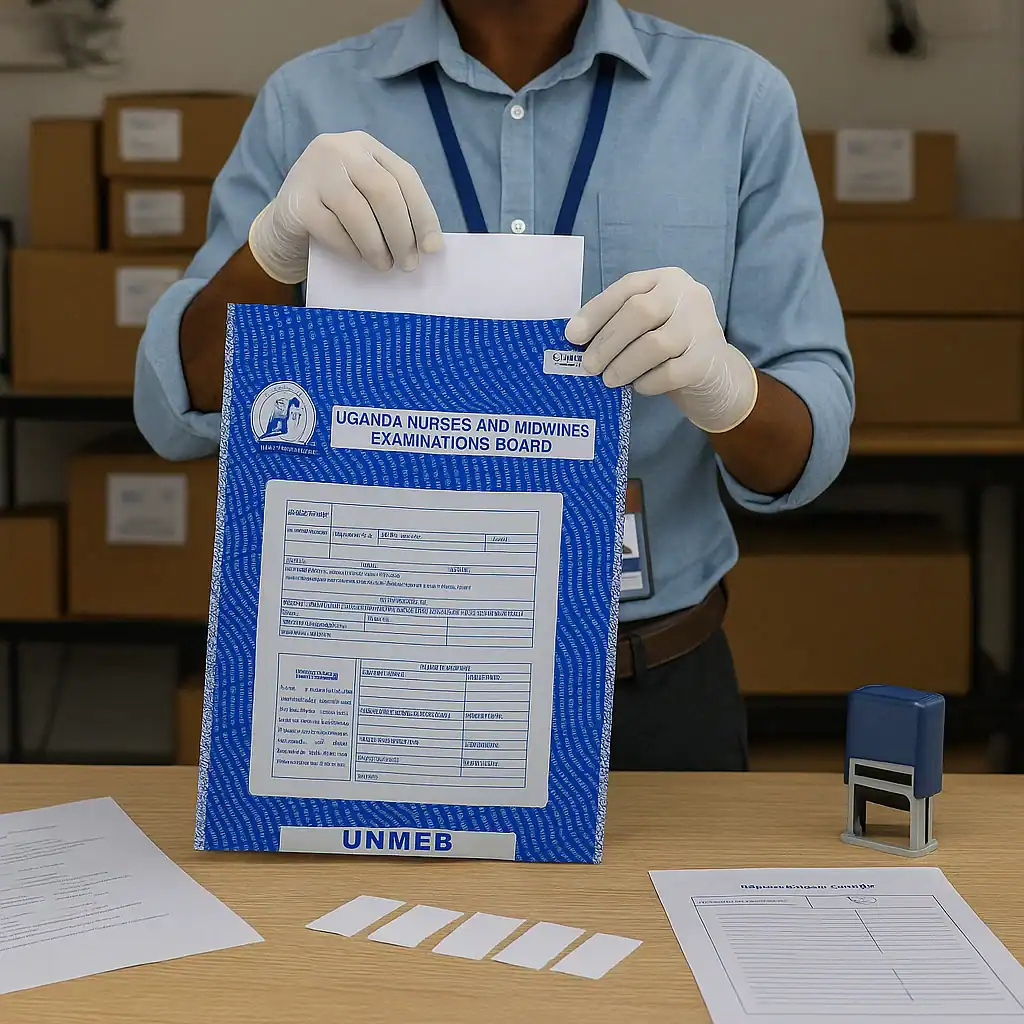
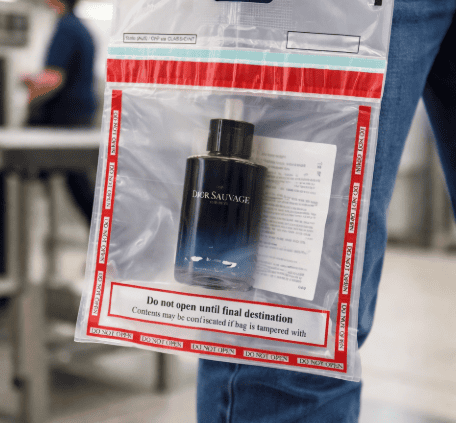
A tamper-evident envelope is a type of security envelope designed to show visible signs if it has been opened or tampered with. Unlike standard envelopes, these envelopes have built-in features, such as specialized seals, adhesive tapes, or markings, that break or become visible if someone tries to open the envelope. These features make it easy to detect any unauthorized access, ensuring that the contents remain safe and secure throughout the shipping or handling process.

Key Features of Tamper-Evident Envelopes

  1. Specialized Seal or Tape: Often, tamper-evident envelopes include a sealing mechanism (like a tamper-evident adhesive) that shows a broken or altered seal if someone attempts to open the envelope.

  2. Visible Markings: Some envelopes include marks or inks that change color or become visible if tampered with, providing an immediate indication of unauthorized access.

  3. Resistant Materials: The envelope material is often made from high-strength materials that resist damage, making it difficult to reseal once it has been opened.

What Are the Requirements for Tamper-Evident Envelopes?

Tamper-evident envelopes must meet specific requirements to effectively protect their contents. Here are the key features and standards that define a tamper-evident envelope:

  1. Visible Tamper Markings: The envelope must clearly show signs of tampering if any attempt is made to open it. This could include a broken seal, color change on a security tape, or visible patterns.

  2. Durability: The envelope should be made from strong, tear-resistant materials to prevent unauthorized access. Common materials include reinforced paper, plastic, or laminated films.

  3. Self-Sealing Mechanism: A tamper-evident envelope typically has a built-in sealing feature that, once broken, cannot be resealed without leaving evidence of tampering.

  4. Compliance with Standards: Many tamper-evident envelopes are designed to meet industry-specific standards, including those for shipping valuable items, financial documents, and legal papers. For example, the ISO 9001 standard may apply to manufacturing processes for tamper-evident envelopes.

How to Tell if a Seal Has Been Tampered With?

One of the main functions of a tamper-evident envelope is to allow recipients to easily determine if the envelope has been tampered with. Here are some common signs to look for:

Signs of Tampering

  1. Broken or Distorted Seals: Most tamper-evident envelopes feature seals that are broken when the envelope is opened. Check for any irregularities in the seal, such as distortion or a break in the adhesive.

  2. Visible Ink Changes: Some envelopes have security ink that changes color or forms visible patterns when tampered with. If the envelope shows signs of these changes, it has likely been opened or tampered with.

  3. Torn or Damaged Edges: If the envelope’s edges appear torn, scratched, or damaged, it may indicate that it has been forcibly opened.

  4. Residual Marks or Stickiness: A tamper-evident envelope may leave adhesive residue or marks if someone has tried to reseal it, making it easy to spot potential tampering.

What Is the Purpose of a Security Envelope?

The primary purpose of a security envelope is to protect the contents inside from unauthorized access and tampering. Security envelopes are essential in many industries and applications, particularly where confidential information, money, or high-value items are being transported.

Key Purposes of Security Envelopes

  • Protection of Sensitive Information: Security envelopes are often used in the legal, financial, and medical industries to ensure that documents and records are not tampered with during transit.

  • Cash Transportation: They are commonly used to transport money, including currency and checks, to ensure that the contents are not stolen or tampered with.

  • Preventing Fraud: Tamper-evident envelopes help prevent fraud by making it immediately obvious if an envelope has been opened without authorization.

  • Complying with Industry Regulations: In industries like pharmaceuticals, law enforcement, and banking, tamper-evident envelopes help comply with regulations for secure handling and transportation of sensitive materials.

What Are Examples of Tamper Detection?

Tamper detection is a critical feature of tamper-evident envelopes. Here are some examples of tamper detection methods:

Common Tamper Detection Techniques

  1. Tamper-Evident Tape: This tape leaves a visible mark or color change if it is removed or disturbed, making it easy to spot tampering.

  2. Security Ink: Some envelopes use special security ink that changes color or forms patterns when tampered with, making any attempt at tampering easy to detect.

  3. Barcodes or RFID Tags: Modern tamper-evident envelopes may include RFID tags or barcodes that help track the envelope and detect any tampering during transit.

  4. Tear Strips: Some envelopes feature tear strips that break when the envelope is opened, making it clear that the envelope has been compromised.

Conclusion

Tamper-evident envelopes are an essential tool for protecting sensitive information and valuable items during transit. By utilizing special features like tamper-evident seals, security tape, and tamper detection methods, these envelopes ensure that any unauthorized access is immediately visible. Whether you’re dealing with legal documents, financial transactions, or valuable goods, tamper-evident envelopes provide a critical layer of security.

If you need to ensure the safe transport of your sensitive materials, investing in tamper-evident envelopes is a smart choice. Not only do they offer peace of mind, but they also help you comply with industry standards and regulations.