The Ultimate Guide to Tamper-Evident Envelopes: Securing Your Sensitive Items
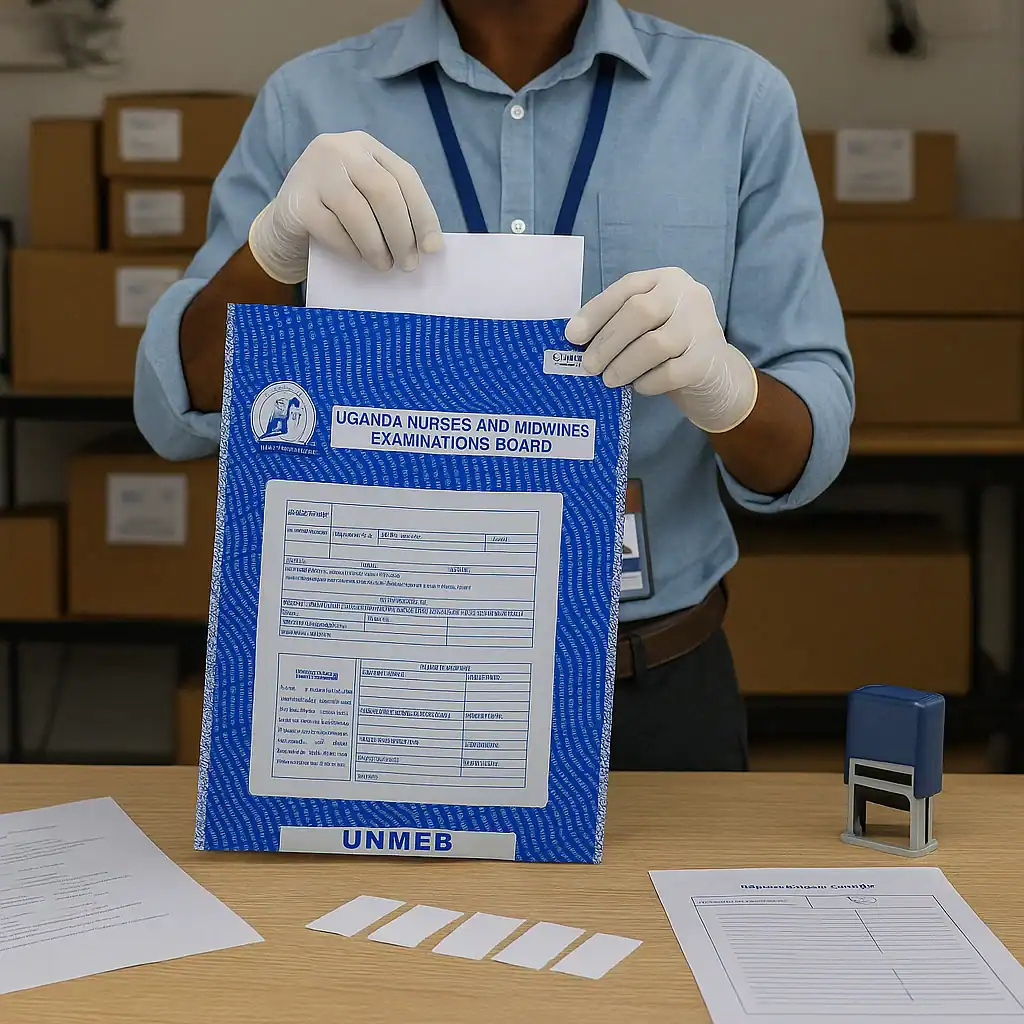 In today’s world, where security is paramount, ensuring the safety of sensitive information during transit is critical. Whether it’s important documents, cash, or valuable items, protecting these from tampering is essential. This is where tamper-evident envelopes come into play. These specially designed envelopes offer a level of protection that makes it easy to spot if a package has been tampered with. In this article, we will dive into everything you need to know about tamper-evident envelopes, including their purpose, how to detect tampering, and the requirements they must meet.
What Is a Tamper-Evident Envelope?
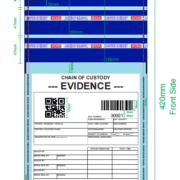
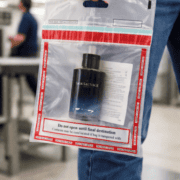
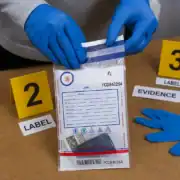
A tamper-evident envelope is a type of security envelope designed to show visible signs if it has been opened or tampered with. Unlike standard envelopes, these envelopes have built-in features, such as specialized seals, adhesive tapes, or markings, that break or become visible if someone tries to open the envelope. These features make it easy to detect any unauthorized access, ensuring that the contents remain safe and secure throughout the shipping or handling process.
Key Features of Tamper-Evident Envelopes
-
Specialized Seal or Tape: Often, tamper-evident envelopes include a sealing mechanism (like a tamper-evident adhesive) that shows a broken or altered seal if someone attempts to open the envelope.
-
Visible Markings: Some envelopes include marks or inks that change color or become visible if tampered with, providing an immediate indication of unauthorized access.
-
Resistant Materials: The envelope material is often made from high-strength materials that resist damage, making it difficult to reseal once it has been opened.
What Are the Requirements for Tamper-Evident Envelopes?
Tamper-evident envelopes must meet specific requirements to effectively protect their contents. Here are the key features and standards that define a tamper-evident envelope:
-
Visible Tamper Markings: The envelope must clearly show signs of tampering if any attempt is made to open it. This could include a broken seal, color change on a security tape, or visible patterns.
-
Durability: The envelope should be made from strong, tear-resistant materials to prevent unauthorized access. Common materials include reinforced paper, plastic, or laminated films.
-
Self-Sealing Mechanism: A tamper-evident envelope typically has a built-in sealing feature that, once broken, cannot be resealed without leaving evidence of tampering.
-
Compliance with Standards: Many tamper-evident envelopes are designed to meet industry-specific standards, including those for shipping valuable items, financial documents, and legal papers. For example, the ISO 9001 standard may apply to manufacturing processes for tamper-evident envelopes.
How to Tell if a Seal Has Been Tampered With?
One of the main functions of a tamper-evident envelope is to allow recipients to easily determine if the envelope has been tampered with. Here are some common signs to look for:
Signs of Tampering
-
Broken or Distorted Seals: Most tamper-evident envelopes feature seals that are broken when the envelope is opened. Check for any irregularities in the seal, such as distortion or a break in the adhesive.
-
Visible Ink Changes: Some envelopes have security ink that changes color or forms visible patterns when tampered with. If the envelope shows signs of these changes, it has likely been opened or tampered with.
-
Torn or Damaged Edges: If the envelope’s edges appear torn, scratched, or damaged, it may indicate that it has been forcibly opened.
-
Residual Marks or Stickiness: A tamper-evident envelope may leave adhesive residue or marks if someone has tried to reseal it, making it easy to spot potential tampering.
What Is the Purpose of a Security Envelope?
The primary purpose of a security envelope is to protect the contents inside from unauthorized access and tampering. Security envelopes are essential in many industries and applications, particularly where confidential information, money, or high-value items are being transported.
Key Purposes of Security Envelopes
-
Protection of Sensitive Information: Security envelopes are often used in the legal, financial, and medical industries to ensure that documents and records are not tampered with during transit.
-
Cash Transportation: They are commonly used to transport money, including currency and checks, to ensure that the contents are not stolen or tampered with.
-
Preventing Fraud: Tamper-evident envelopes help prevent fraud by making it immediately obvious if an envelope has been opened without authorization.
-
Complying with Industry Regulations: In industries like pharmaceuticals, law enforcement, and banking, tamper-evident envelopes help comply with regulations for secure handling and transportation of sensitive materials.
What Are Examples of Tamper Detection?
Tamper detection is a critical feature of tamper-evident envelopes. Here are some examples of tamper detection methods:
Common Tamper Detection Techniques
-
Tamper-Evident Tape: This tape leaves a visible mark or color change if it is removed or disturbed, making it easy to spot tampering.
-
Security Ink: Some envelopes use special security ink that changes color or forms patterns when tampered with, making any attempt at tampering easy to detect.
-
Barcodes or RFID Tags: Modern tamper-evident envelopes may include RFID tags or barcodes that help track the envelope and detect any tampering during transit.
-
Tear Strips: Some envelopes feature tear strips that break when the envelope is opened, making it clear that the envelope has been compromised.
Conclusion
Tamper-evident envelopes are an essential tool for protecting sensitive information and valuable items during transit. By utilizing special features like tamper-evident seals, security tape, and tamper detection methods, these envelopes ensure that any unauthorized access is immediately visible. Whether you’re dealing with legal documents, financial transactions, or valuable goods, tamper-evident envelopes provide a critical layer of security.
If you need to ensure the safe transport of your sensitive materials, investing in tamper-evident envelopes is a smart choice. Not only do they offer peace of mind, but they also help you comply with industry standards and regulations.