The Complete Guide to Retail Cash Management: Securing the Cash Transport Chain
In a business where every penny counts, effective retail cash management is not optional — it is a fundamental pillar of operational success. Cash handling encompasses every step from the moment a customer pays at the register to the final bank deposit at the end of the day. While many retailers invest heavily in point-of-sale (POS) systems and smart safes, the most vulnerable link in the cash management chain is often the physical transport of funds. When managed correctly, a comprehensive cash handling strategy prevents costly mistakes, reduces financial loss, and keeps daily operations running without interruption. This guide explains what retail cash management is, the key challenges retailers face, and the proven best practices that help minimize errors — with a special focus on securing the cash transport process using advanced tamper-evident security bags.
What Is Retail Cash Management?
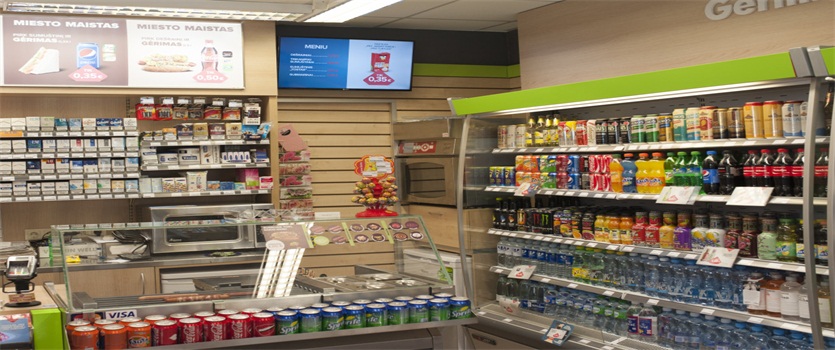
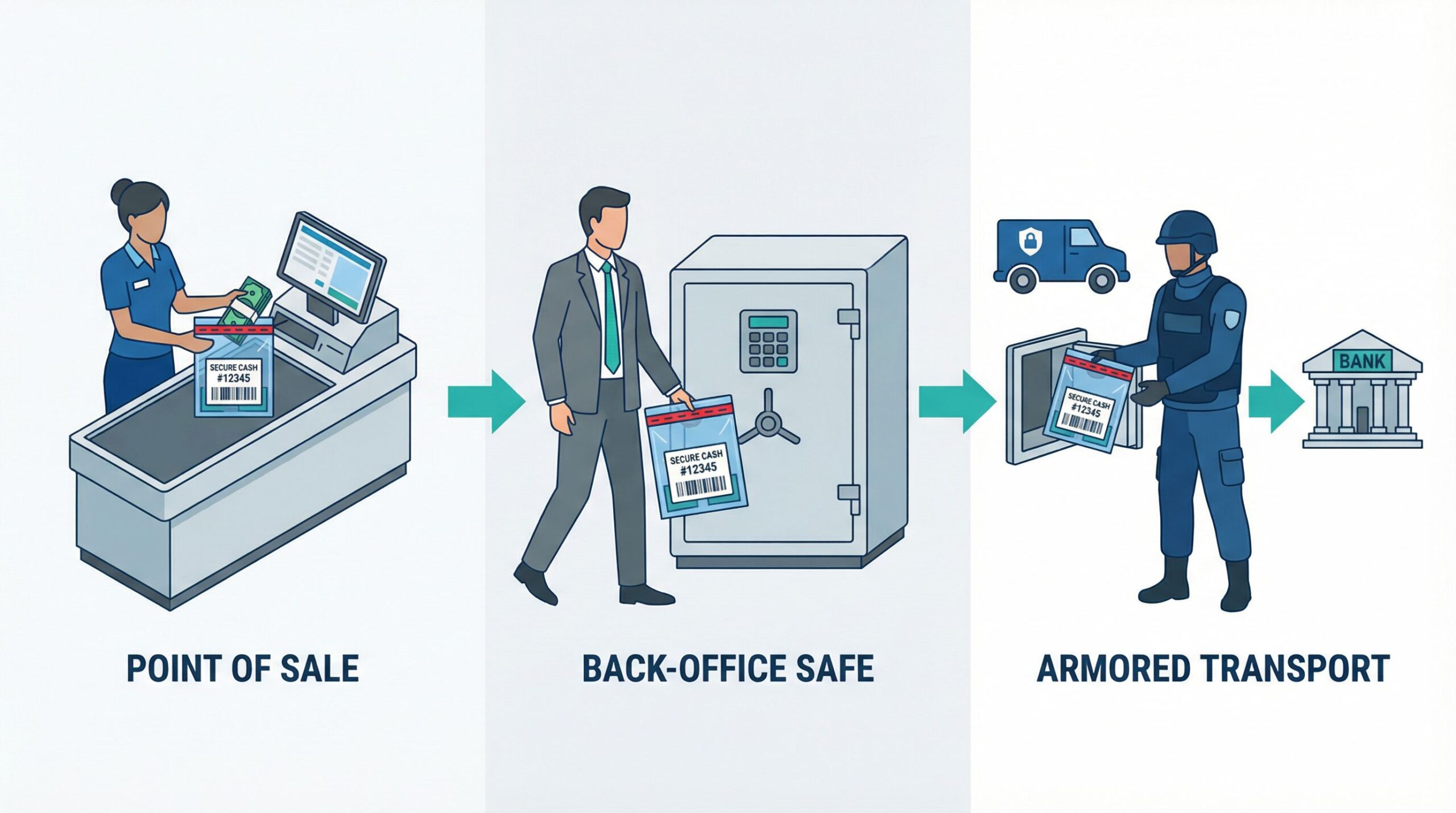
Retail cash management refers to the systematic process of receiving, counting, sorting, securing, and depositing cash generated from customer transactions. The process begins at the point of sale when a customer pays in cash and continues through managing the cash drawer, securely storing funds in a back-office safe, and ultimately transporting those funds to the bank. Because cash passes through numerous hands and locations throughout a single business day, having standardized procedures in place is essential. Consistent cash-handling processes across all retail locations reduce confusion, limit human error, and ensure clear accountability at every stage of the operation.
The Daily Cash Process in Retail
A typical retail shift involves constant interaction with cash, requiring precision, accountability, and time at every step. Understanding this daily cycle is the foundation of any effective retail cash management strategy.
| Stage | Activity | Responsible Party |
|---|---|---|
| Start of Shift | Count and set up float in cash drawer | Cashier |
| During Shift | Accept payments, make change, assist customers | Cashier |
| Mid-Shift | Cash drawer refill and excess cash skimming | Cashier / Supervisor |
| End of Shift | Reconciliation and cash count verification | Cashier + Manager |
| End of Day | Seal cash in tamper-evident bags; arrange armored pickup or bank deposit | Manager |
Common Retail Cash Management Challenges
Retail cash management introduces a range of risks that can impact security, accuracy, and profitability. Recognizing these vulnerabilities is the first step toward building a more resilient cash process.
Human Error During Counting and Making Change
Manual counting and giving change are among the most frequent sources of mistakes in retail. Employees may miscount bills, hand out the wrong change, or rush through procedures during peak hours — leading to discrepancies that accumulate over time. Without effective checks, these errors often go unnoticed until end-of-day reconciliation, by which point they are far more difficult to trace and correct.
Internal Theft and Fraud
Cash is inherently difficult to manage when access is not properly controlled. Internal theft can occur when cash is taken without authorization or when transaction records are falsified. Fraud may manifest as under-ringing items or applying unauthorized discounts. According to the 35th Annual Retail Theft Survey by Jack L. Hayes International, nearly 45,000 dishonest employees were apprehended in a single year, with over $50 million recovered from employee theft. Without robust controls and regular monitoring, these actions are extremely difficult to detect.
Poor Visibility and Accountability
When cash drawers are shared among multiple employees or when documentation is inconsistent, it becomes nearly impossible to determine who is responsible for discrepancies. This lack of clarity can lead to disputes, erode trust among team members, and make it difficult for management to identify the root cause of losses. Clear ownership and real-time tracking of cash are essential for maintaining both accuracy and workplace accountability.
The Vulnerability of Cash in Transit
While in-store security measures like cameras and smart safes protect cash on the premises, the physical movement of funds — whether from the register to the back office, or from the store to the bank — represents the highest-risk segment of the entire cash management chain. Surprisingly, when merchandise is sold and cash is received, the importance of protecting it during transit is often undermined by the use of inferior money-packaging products. Cash in transit is exposed to both internal skimming and external theft, making secure transport solutions a critical necessity for any serious retail operation.
10 Best Practices for Retail Cash Management
Implementing a structured approach to retail cash management can dramatically reduce errors, prevent losses, and improve overall operational efficiency. The following ten best practices represent the industry standard for secure and effective cash handling.
1. Use Secure, High-Quality Cash Drawers
The foundation of any effective retail cash management system is a reliable, tamper-resistant cash drawer. High-quality drawers lock securely, integrate seamlessly with POS systems, and create a safer checkout environment. Investing in durable hardware protects cash from the very moment it is received and sets the tone for a professional, accountable operation.
2. Assign One Cash Drawer per Employee or Shift
Assigning a dedicated cash drawer to each employee or shift is one of the simplest and most effective ways to enhance accountability. When each staff member is responsible for a specific drawer, discrepancies can be traced directly to the individual, reducing misunderstandings and encouraging careful cash handling throughout the shift.
3. Limit Cash Access and Permissions
Not every employee requires access to cash drawers or back-office safes. Restricting access to authorized personnel only significantly reduces the risk of both theft and accidental errors. POS-based permission systems make it straightforward to enforce these access controls consistently across all registers and locations.
4. Keep Minimal Cash in Drawers
Maintaining only the minimum amount of cash necessary in each register reduces the financial impact of theft and minimizes the temptation for opportunistic theft. Excess cash should be transferred to a secure back-office safe on a regular basis throughout the day, following a consistent schedule that is known only to authorized staff.
5. Perform Blind Cash Counts
A blind cash count requires employees to count the drawer without prior knowledge of the expected total. This approach eliminates the temptation to adjust counts to match expected figures and surfaces genuine discrepancies. Blind counting improves the integrity of the reconciliation process and builds a culture of transparency and accountability.
6. Reconcile Cash at Every Shift Change
Performing a cash reconciliation at the end of every shift — rather than just at the end of the business day — allows discrepancies to be identified and investigated while the details are still fresh. This practice reduces the risk of errors compounding over multiple shifts and makes it far easier to pinpoint the source of any shortfall.
7. Use Cash-Handling Accessories
Practical tools such as bill trays, coin organizers, till inserts, and locking drawer covers play an important role in keeping cash organized and secure. These accessories reduce counting errors, speed up transactions, and help ensure that cash is properly secured between uses. Small investments in quality accessories can yield significant improvements in daily operational efficiency.
8. Train Employees on Cash Handling Procedures
Ongoing training is essential to maintaining consistent cash-handling standards across all staff and locations. Every team member should understand the correct procedures, the reasons behind each step, and the consequences of non-compliance. Well-trained employees handle cash more accurately, respond more confidently to discrepancies, and contribute to a culture of financial accountability.
9. Monitor and Audit Cash Activity Regularly
Regular monitoring and scheduled audits are indispensable for detecting mistakes, unusual patterns, or suspicious activity before they escalate into significant losses. Combining real-time POS reporting with periodic manual audits creates a multi-layered oversight system that deters misconduct and promotes long-term compliance with cash-handling policies.
10. Secure Cash Transport with Tamper-Evident Security Bags
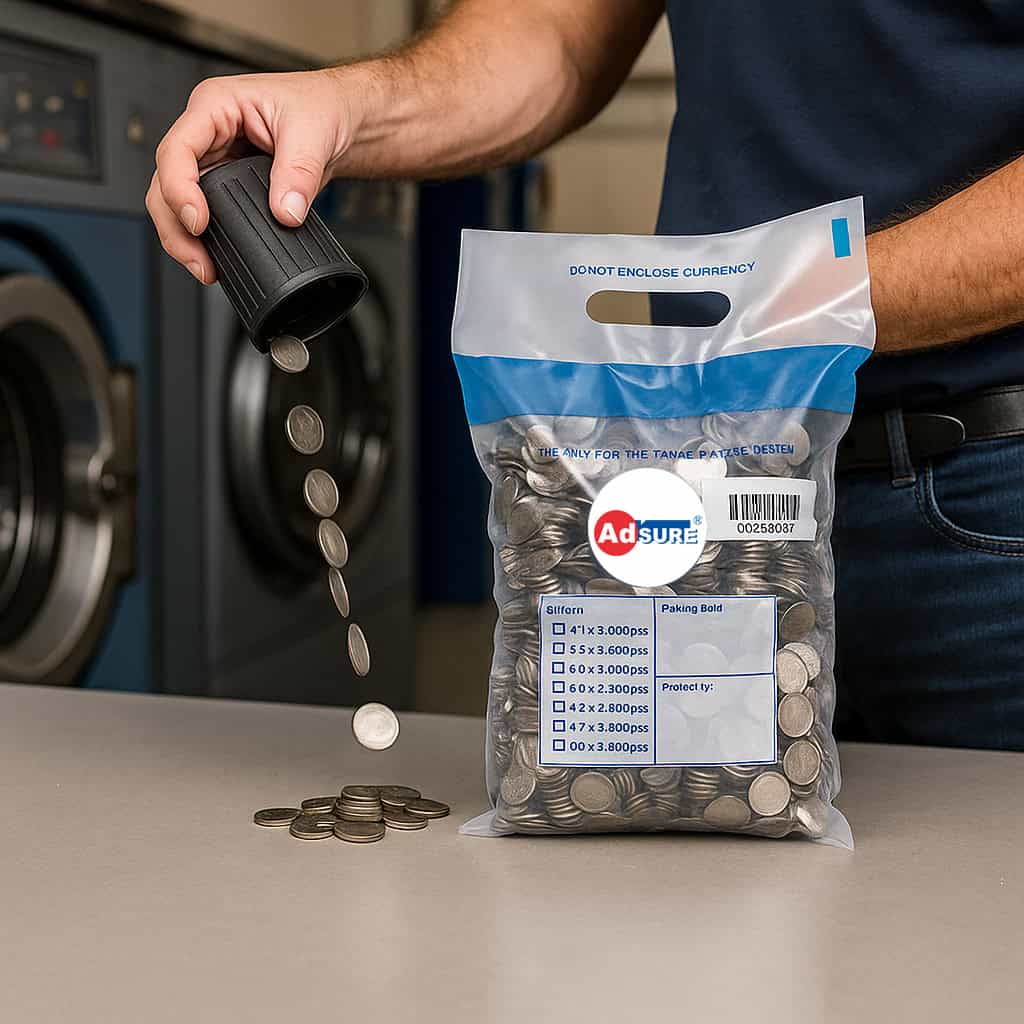
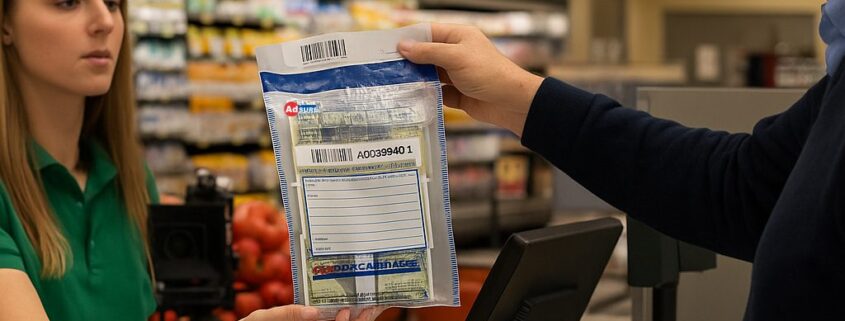
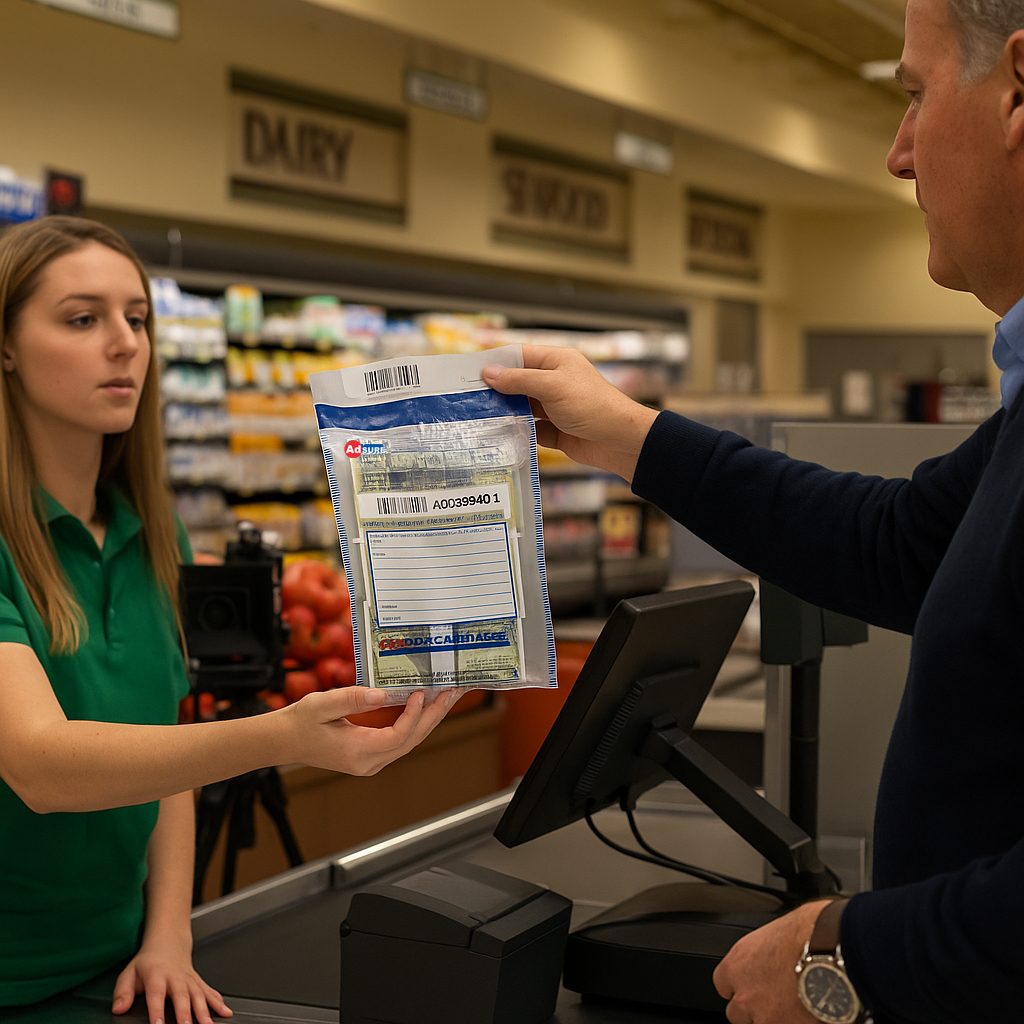
Cash remains highly vulnerable even after it leaves the register. Retailers must use secure, documented methods for transporting deposits to the bank. The most effective way to secure cash in transit is through the use of high-quality tamper-evident security bags. These specialized bags ensure that once cash is sealed by a manager, any attempt to access the funds before they reach the bank will leave obvious, irreversible evidence of tampering — providing an unbroken chain of custody from the store floor to the vault.
The Critical Role of Security Bags in Retail Cash Transport
High-security tamper-evident deposit bags are an integral component of every retail outlet’s security system. Cameras, RFID monitors, and security guards are only several of the many safeguards employed by retailers to protect inventory from theft or shrinkage. However, the physical packaging of the cash itself is the final and most direct line of defense during transport.
Why Standard Envelopes and Bags Fail
Many retailers make the mistake of using standard paper envelopes or basic plastic bags for cash drops and bank deposits. These inferior money-packaging products offer zero protection against skimming. A dishonest employee or courier can easily open a standard envelope, remove a few bills, and reseal it without detection. By the time the discrepancy is discovered at the bank, the chain of custody has been broken, and assigning responsibility is nearly impossible. The financial loss is compounded by the operational disruption and reputational damage that follows.
How Tamper-Evident Security Bags Work
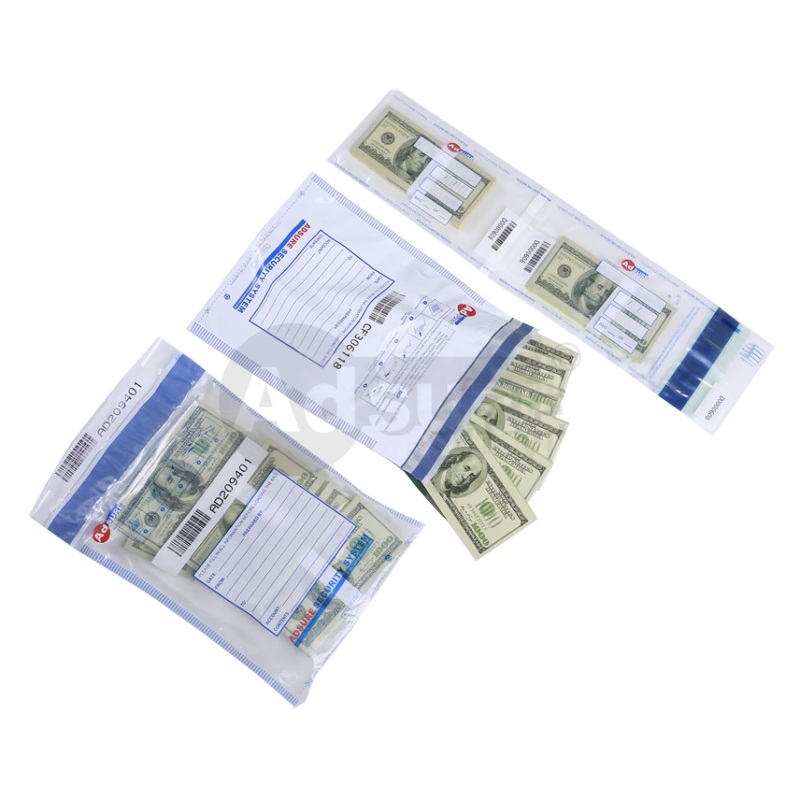
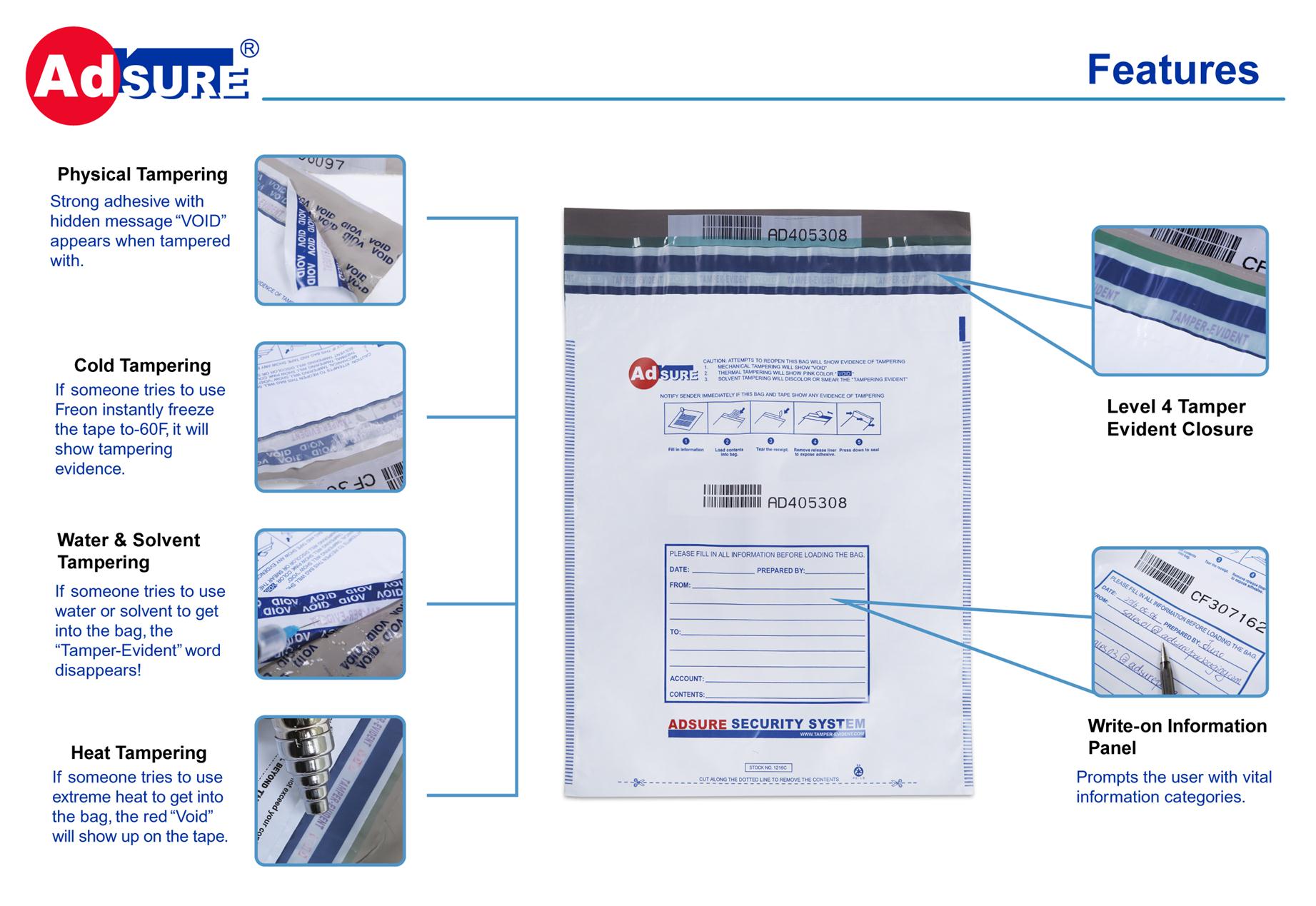
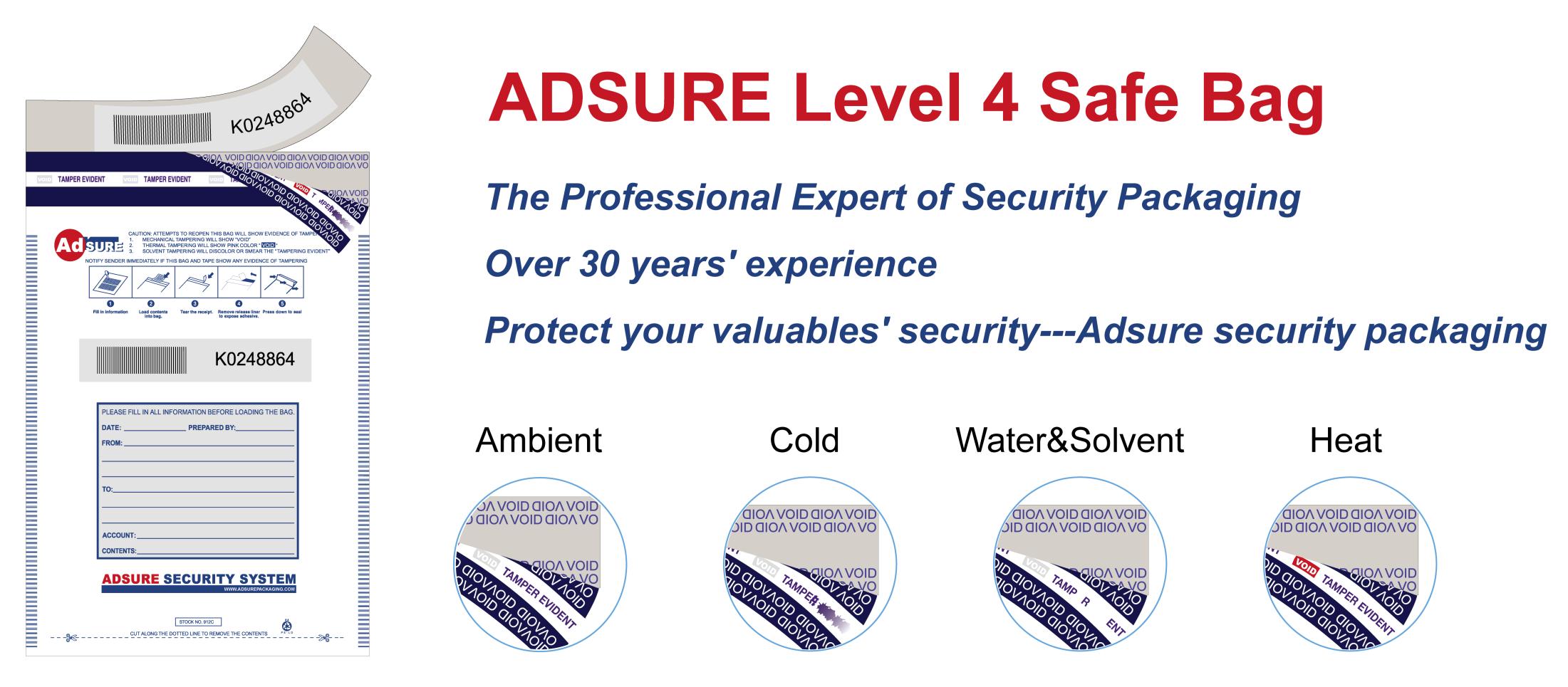
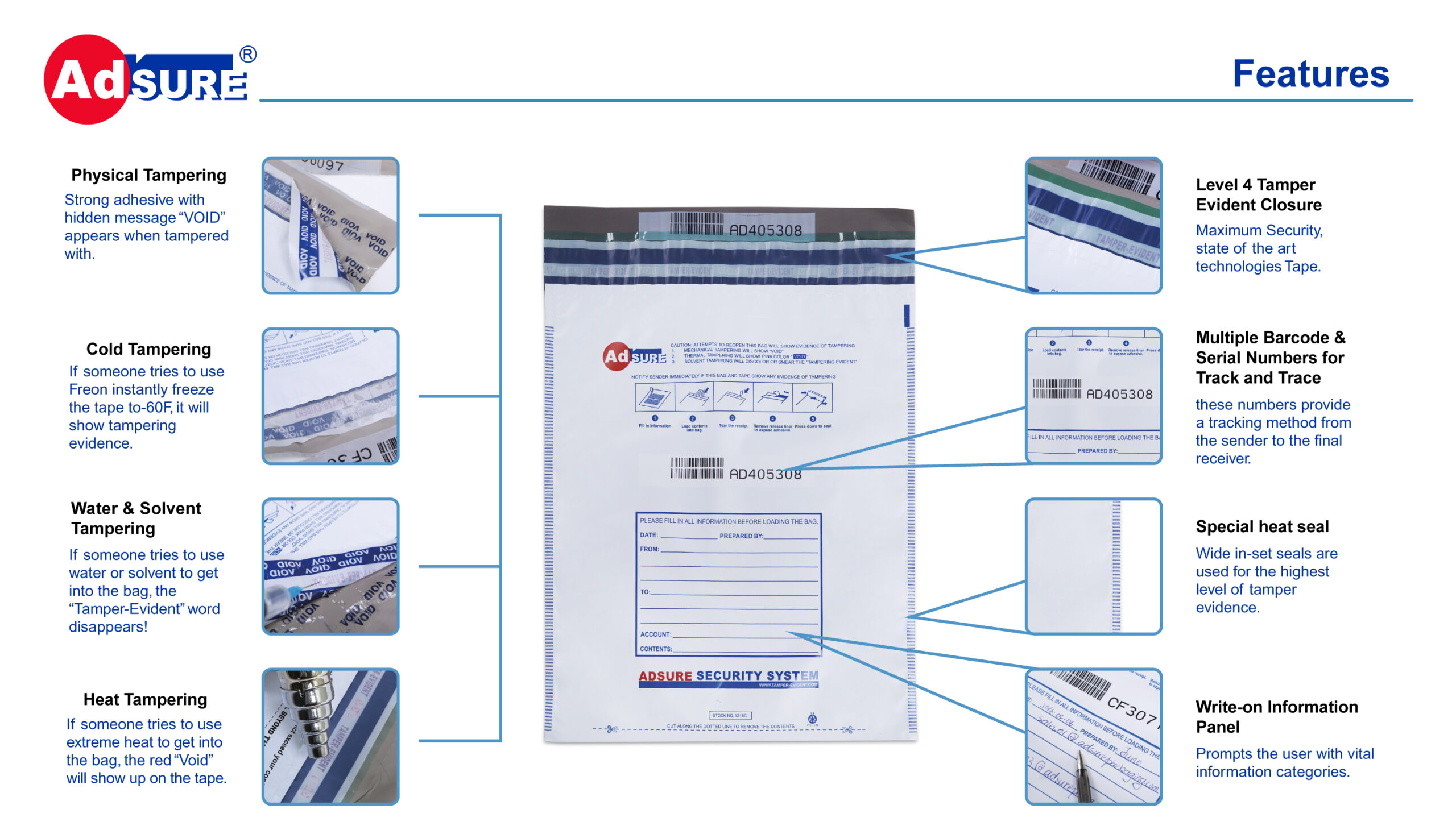
A tamper-evident security bag is engineered to make any unauthorized access immediately and permanently visible. The bag is sealed using a pressure-sensitive adhesive strip that, once activated, bonds to the bag material at a molecular level. Any attempt to open the bag — whether using heat, cold, solvents, or physical force — triggers a hidden “VOID” message to appear on the seal, or causes irreversible distortion to the bag’s surface. This mechanism transforms the bag itself into a tamper witness, providing irrefutable evidence of any breach.
Adsure® Security Bags: Purpose-Built for Retail Cash Management
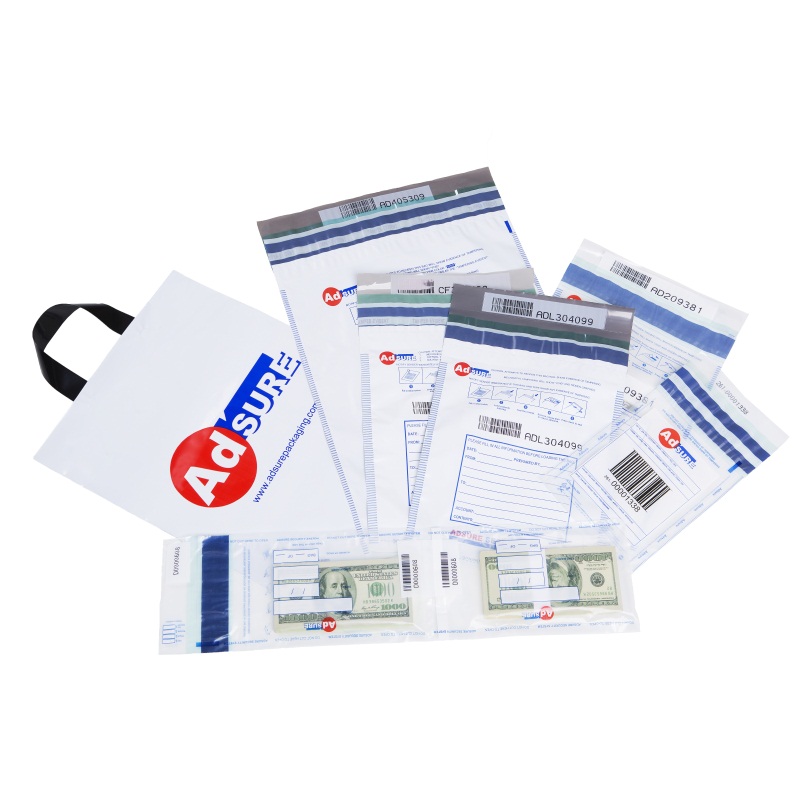
To combat transit shrinkage, industry leaders turn to specialized manufacturers like Adsure Packaging. With over 40 years of manufacturing experience, Adsure has emerged as a globally trusted producer of tamper-evident security bags, designed to provide maximum protection for cash, sensitive documents, and high-value items. Adsure® security bags are purpose-built for retail chain stores and offer a comprehensive set of security features that standard packaging simply cannot match.
The following table summarizes the key security features that make Adsure® bags the preferred choice for retail cash transport:
| Security Feature | How It Works | Retail Benefit |
|---|---|---|
| Multi-Layer Tamper-Proof Seal | Pressure-sensitive adhesive triggers VOID message on any opening attempt | Immediate, irrefutable evidence of tampering |
| Sequential Serial Numbers | Each bag has a unique, pre-printed serial number | Full chain-of-custody traceability from store to bank |
| Barcode Scanning | Barcodes integrate with retail cash management and audit systems | Automated tracking and reconciliation |
| Tear-Off Receipt | Perforated receipt stub with matching serial number retained by manager | Proof of sealing; supports dispute resolution |
| Write-On Area | Designated field for cashier name, date, shift, and amount | Accountability at the individual employee level |
| Multi-Compartment Design | Single, dual, or triple-pocket configurations available | Separates cash, coins, and deposit slips cleanly |
| Durable 3-Layer Film | Co-extruded multi-layer construction resists tearing and puncture | Withstands night drop safes and armored transport |
| RFID Option | Embedded RFID chip for electronic tracking | Real-time location monitoring for high-value deposits |
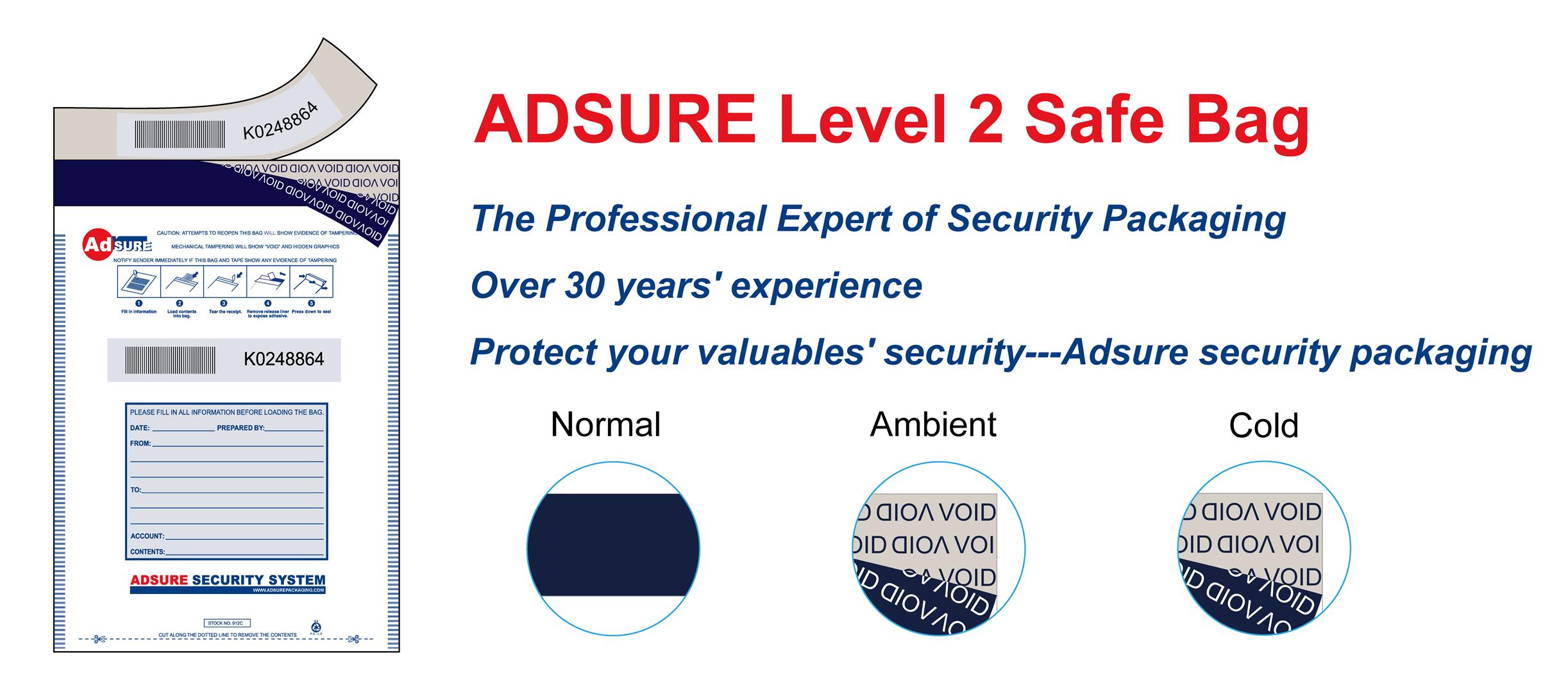
Adsure offers both Level 2 and Level 4 tamper-evident closure systems for retail applications, allowing store managers to select the appropriate security level based on the value of the deposit and the risk profile of their operation. For high-volume retail environments such as supermarkets, pharmacies, and department stores, the Level 4 closure provides the highest degree of physical and forensic protection available in the market. Custom branding, barcodes, QR codes, and sequential numbering can all be incorporated to align with a retailer’s specific operational and compliance requirements.
By integrating Adsure tamper-evident security bags into the daily cash management routine, retailers effectively close the most critical vulnerability gap in the cash transport chain, ensuring that every dollar counted at the register makes it safely and verifiably to the bank.
Advanced Cash Management Solutions for Retail
Beyond secure transport, modern technology has transformed retail cash management, offering solutions that dramatically reduce manual effort, improve accuracy, and provide real-time visibility into cash flow across the entire operation.

Smart Safes and Cash Recyclers
Smart safes automatically count and validate cash as it is deposited, providing real-time totals without the need for manual counting. Cash recyclers go one step further, dispensing change automatically and reducing the time cashiers spend managing denominations. Both technologies significantly reduce shrinkage and labor costs associated with manual cash handling, and work seamlessly alongside tamper-evident bags for end-of-day deposit preparation.
POS-Integrated Reporting and Alerts
Modern POS systems offer integrated cash management reporting that provides real-time visibility into cash drawer balances, transaction histories, and discrepancy alerts. These tools enable managers to monitor cash activity across multiple registers and locations from a single dashboard, making it far easier to identify and respond to anomalies as they occur. When combined with the serial number tracking of security bags, POS reporting creates a fully auditable cash management ecosystem.
Automated Reconciliation Tools
Automated reconciliation software eliminates the time-consuming process of manually matching cash counts to sales records. By automatically comparing POS data with physical cash counts and security bag serial numbers, these tools detect discrepancies in seconds and generate detailed reports that support both operational management and financial auditing.
| Solution | Key Benefit | Best For |
|---|---|---|
| Tamper-Evident Security Bags | Secure, traceable cash transport with chain-of-custody | All retail businesses handling cash |
| Smart Safe | Automated counting and real-time totals | High-volume retail stores |
| Cash Recycler | Automated change dispensing, reduced labor | Supermarkets, pharmacies |
| POS Cash Reporting | Real-time visibility and discrepancy alerts | Multi-location retailers |
| Automated Reconciliation | Instant discrepancy detection across all channels | All retail businesses |
| Armored Cash Pickup | Secure, documented bank deposits | Retailers with high cash volume |
Conclusion
Effective retail cash management is far more than a back-office administrative task — it is a strategic function that directly impacts profitability, security, and operational efficiency. By implementing standardized procedures, investing in quality equipment, training staff thoroughly, and leveraging modern cash management technology, retailers of all sizes can significantly reduce shrinkage and minimize errors. Most critically, by securing the physical transport of funds with industry-leading solutions like Adsure® tamper-evident security bags, retailers can protect their hard-earned revenue from the register all the way to the vault. In an environment where cash shrinkage costs the industry billions of dollars annually, the choice of security bag is not a minor operational detail — it is a strategic investment in the integrity of your entire cash management system.
Frequently Asked Questions
What is retail cash management?
Retail cash management is the process of handling, recording, and securing cash throughout a store’s daily operations — from till reconciliation and safe storage to bank deposits. It encompasses procedures, technology, and packaging to minimise shrinkage and ensure accurate accounting.
How do tamper-evident bags improve retail cash security?
Tamper-evident security bags provide a sealed, numbered container for cash deposits. Any attempt to open the bag leaves a permanent void mark, creating an instant audit trail. This deters internal theft and provides verifiable evidence if a discrepancy occurs between the till and the bank.
What are the best practices for retail cash handling?
Best practices include dual-control cash counting, regular safe drops throughout the day, using sequentially numbered tamper-evident deposit bags, maintaining a written log of every transfer, and conducting surprise audits. Limiting the number of staff with safe access further reduces risk.
How often should retail cash be deposited?
Most retailers deposit cash daily or whenever the safe reaches a set threshold — typically at end of shift or end of day. High-volume stores may make multiple deposits per day. Frequent deposits reduce the amount of cash on-site and lower the potential loss from theft or error.
Reviewed by: Adsure Packaging Technical Team