
Benefits of Extended Producer Responsibility Programmes: A Complete Guide to EU PPWR & EPR Compliance
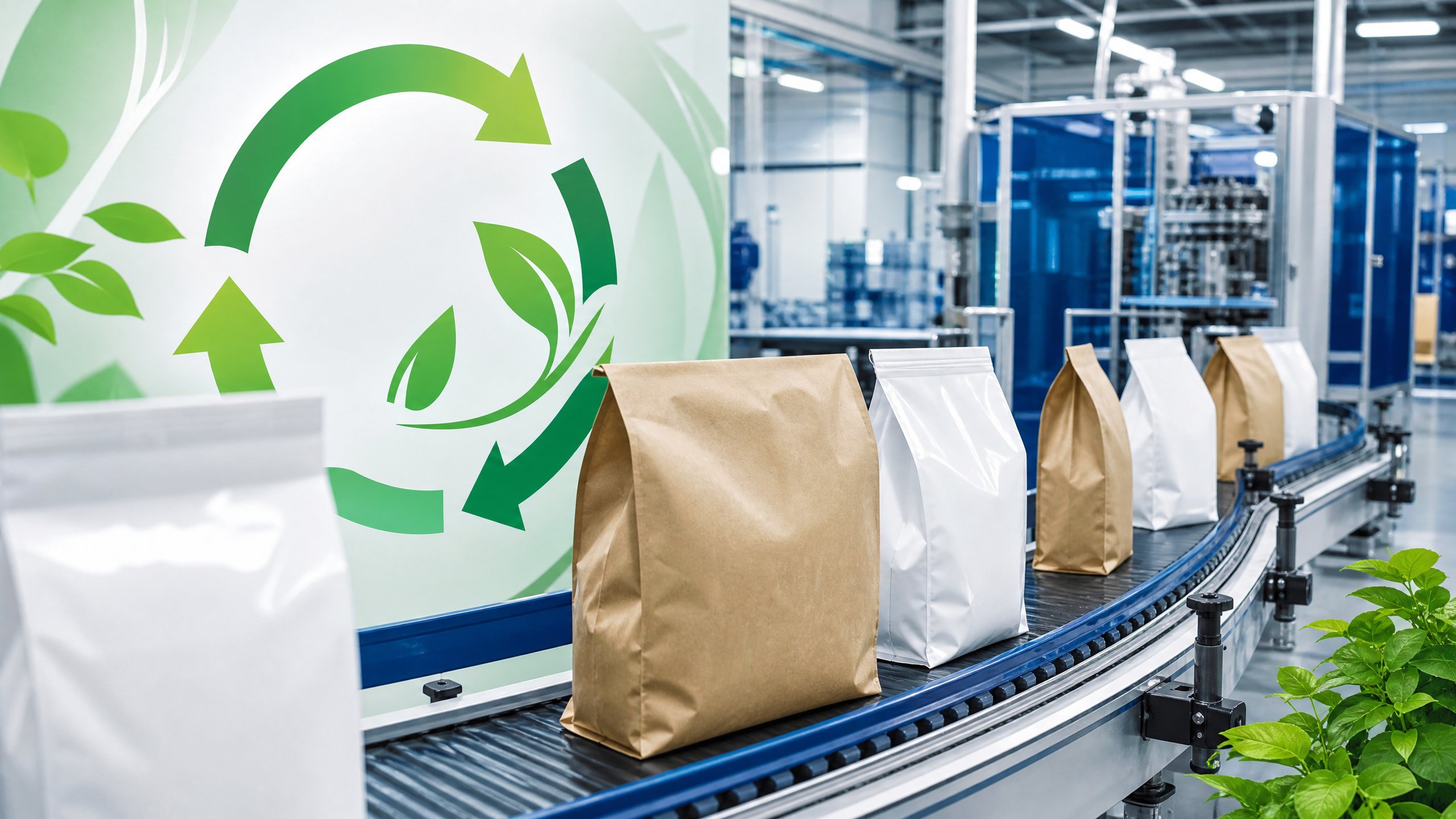
Extended producer responsibility (EPR) is reshaping the packaging landscape across Europe. With the introduction of the EU Packaging and Packaging Waste Regulation (PPWR), which formally entered into force in February 2025 and applies from August 2026, packaging compliance is no longer just an environmental goal—it is a strict legal requirement. For European businesses, understanding extended producer responsibility and adapting to PPWR mandates is critical to maintaining market access and optimizing operational costs.
At Adsure Packaging, we have been manufacturing high-performance, sustainable packaging solutions since 1985. We are committed to helping our European partners achieve compliance while enhancing their packaging efficiency. This guide explores the core requirements of the PPWR, how EPR fees are evolving, and actionable strategies to ensure your packaging meets the highest standards of sustainability.
What is Extended Producer Responsibility Under the EU PPWR?
Extended producer responsibility is an environmental policy approach that makes producers—manufacturers, importers, and brand owners—financially and legally accountable for the entire lifecycle of their packaging, including collection, sorting, and recycling. Under the new EU PPWR framework, extended producer responsibility is becoming more harmonized and stringent across all 27 Member States.
The regulation shifts the focus from merely managing waste to actively designing packaging for circularity. Key objectives include reducing packaging waste by 15% per capita by 2040 and ensuring that all packaging placed on the EU market is fully recyclable by 2030. According to the European Parliament, each European citizen currently generates almost 190 kg of packaging waste per year—a figure projected to reach 209 kg by 2030 without intervention.
The PPWR replaces the previous Packaging and Packaging Waste Directive (94/62/EC), which allowed significant variation between Member States. As a directly applicable EU Regulation, the PPWR creates a single, unified legal standard across all EU countries, providing greater certainty for manufacturers and importers alike.
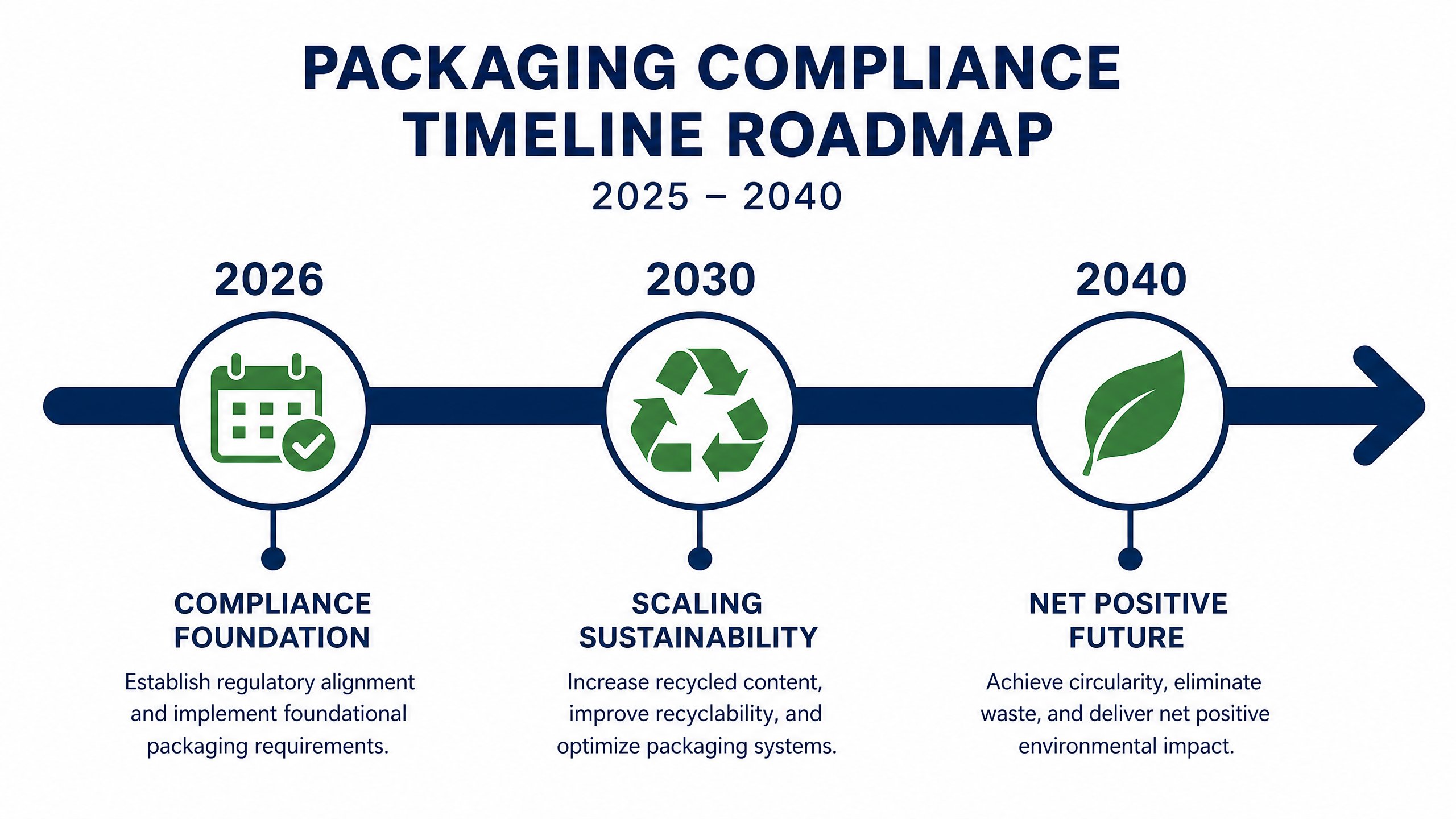
EU PPWR compliance timeline: key milestones from 2026 to 2040 for packaging producers.
EPR Meaning: What Does EPR Stand For in Packaging?
EPR stands for Extended Producer Responsibility. In the context of packaging, EPR meaning extends beyond simple waste disposal—it encompasses the full lifecycle responsibility of the producer. Under EPR regulations, producers must register with national Producer Responsibility Organizations (PROs), report on packaging volumes placed on the market, pay fees to fund recycling infrastructure, and demonstrate compliance through data reporting.
EPR reporting is a critical component of this framework. Businesses must maintain accurate records of packaging materials, weights, and recycled content to satisfy audit requirements. Failure to comply with EPR reporting obligations can result in significant financial penalties and loss of market access in EU territories.
The Shift to Eco-Modulated EPR Fees
One of the most transformative changes introduced by the PPWR is the mandatory implementation of eco-modulated EPR fees. By January 2028, EPR fees across the EU will be modulated based on a packaging’s recyclability performance grade (A, B, or C). This means the fees producers pay to PROs will no longer be based solely on packaging weight.
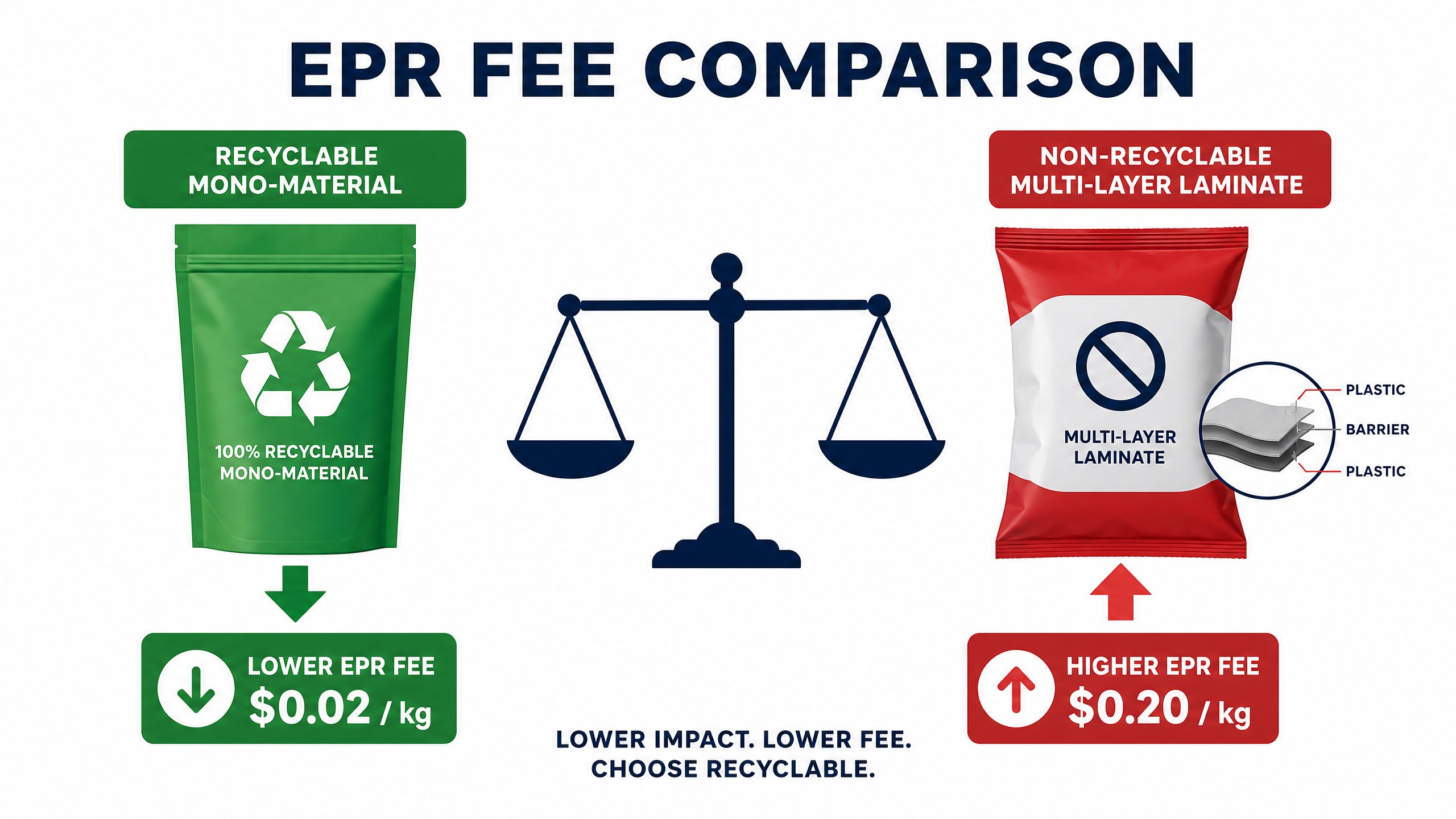
EPR eco-modulation: recyclable packaging pays lower fees; non-recyclable multi-layer materials face higher costs.
The financial implications are significant. In the Netherlands, for example, Verpact’s eco-modulation model already rewards highly recyclable rigid plastics with fee discounts of up to €0.50/kg—reducing the standard tariff of €1.22/kg to just €0.72/kg. As harmonization across the EU progresses under the PPWR, similar incentive structures will apply in all Member States.
Key EPR Regulations and PPWR Compliance Requirements
To demonstrate your commitment to extended producer responsibility and comply with EPR regulations under the PPWR, European businesses must prepare for several critical mandates:
| PPWR Requirement | Deadline | Key Action |
|---|---|---|
| All packaging must be recyclable | 2030 | Transition to mono-material or certified recyclable designs |
| Minimum 35% PCR in non-contact plastic packaging | 2030 | Integrate post-consumer recycled content into packaging films |
| Packaging waste reduction per capita | 2040 | Optimize packaging weight and minimize over-packaging |
| Eco-modulated EPR fees based on recyclability grade | 2028 | Achieve Grade A recyclability to minimize EPR costs |
| Harmonized labelling with disposal instructions | 2026 | Update all packaging labels across EU markets |
EPR Compliance: Design for Recycling (DfR)
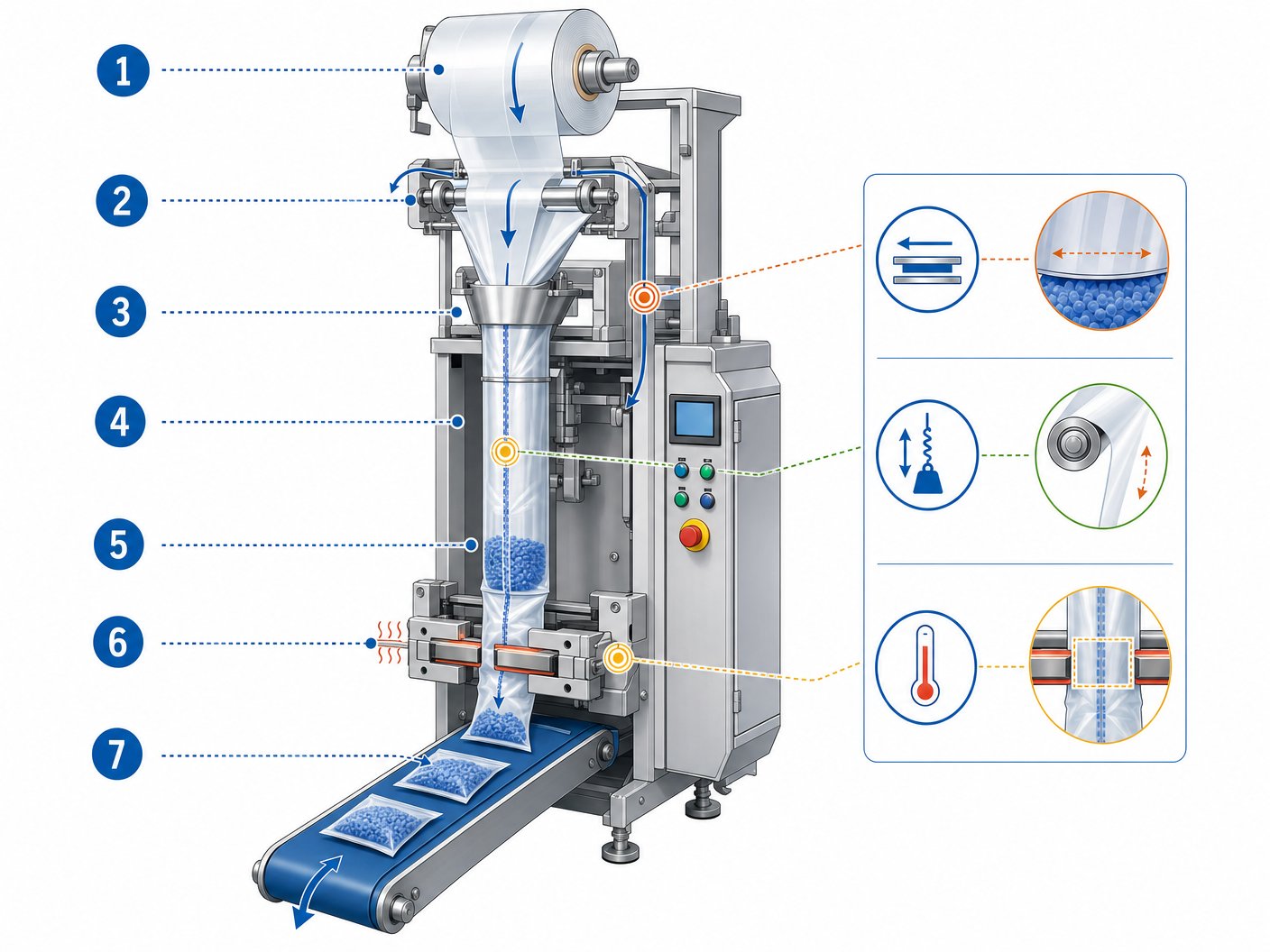
By 2030, all packaging must meet strict Design for Recycling criteria. This requires a shift away from mixed materials towards mono-materials that can easily enter existing recycling streams. For instance, replacing traditional multi-layer heavy-duty sacks with high-performance mono-material PE FFS (Form-Fill-Seal) films ensures EPR compliance without sacrificing product protection. Our Mono-PE FFS Film is specifically engineered to meet PPWR recyclability requirements.
Mandatory Post-Consumer Recycled (PCR) Content
The PPWR mandates minimum levels of recycled content in plastic packaging. By 2030, non-contact sensitive plastic packaging must contain at least 35% PCR material, rising to 65% by 2040. Integrating PCR into packaging films presents technical challenges, such as maintaining tensile strength and visual consistency. Partnering with an experienced manufacturer ensures that PCR films are engineered with advanced co-extrusion technology to meet both regulatory requirements and mechanical performance standards.
Harmonized Labelling and Conformity Assessments
Producers must use standardized labels indicating material composition and disposal instructions to improve consumer sorting accuracy. Furthermore, businesses must prepare Declarations of Conformity and technical documentation proving that their packaging meets PPWR sustainability rules. These documents must be available upon request from regulatory authorities.
How Adsure Packaging Supports Your EPR Compliance Strategy
With nearly 40 years of manufacturing expertise, Adsure Packaging is your trusted partner in navigating the complexities of extended producer responsibility and PPWR compliance in Europe.
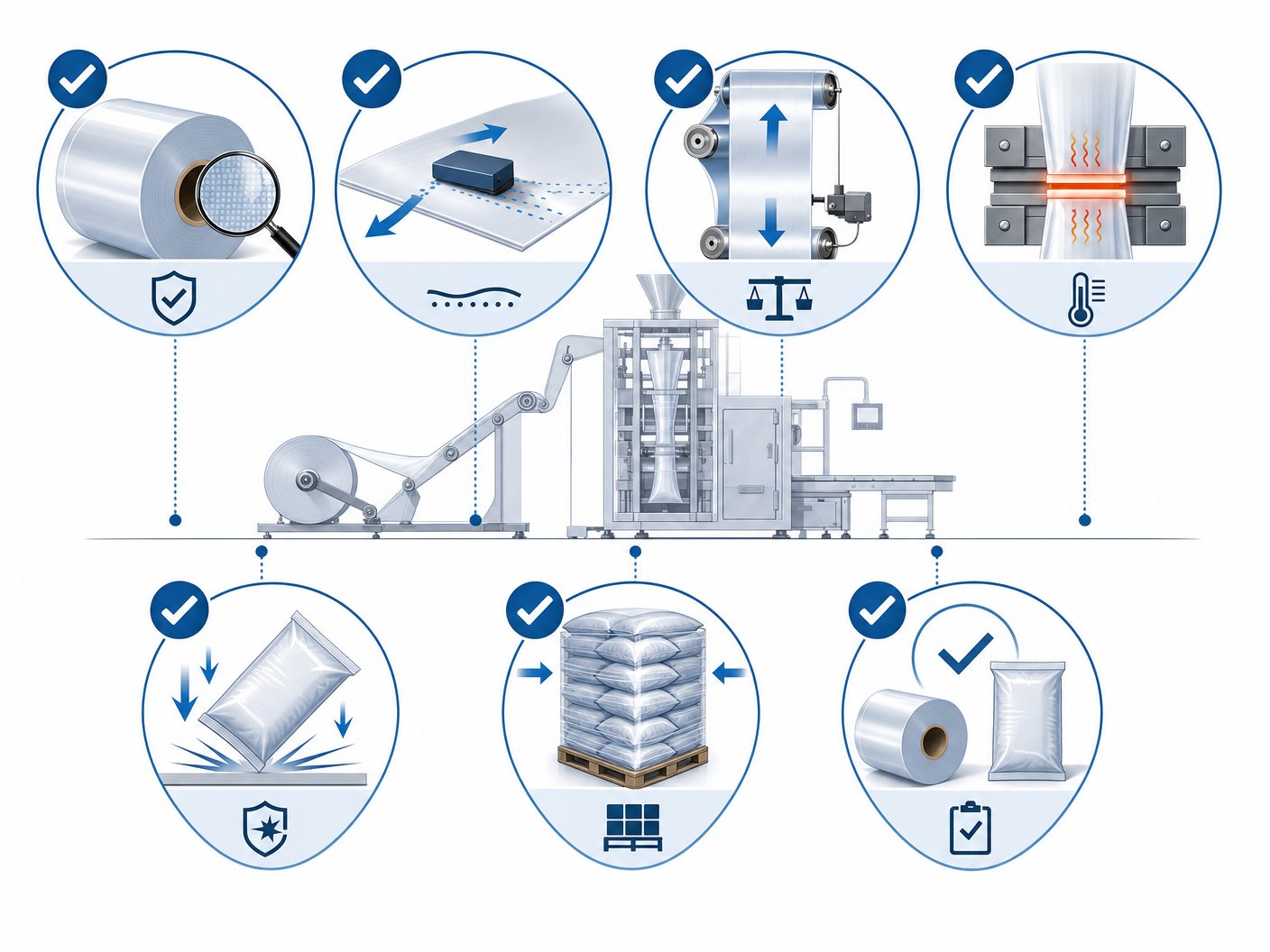
Innovative Mono-Material Solutions: We specialize in developing high-performance mono-material PE films that replace non-recyclable laminates, ensuring your packaging achieves top recyclability grades and benefits from lower eco-modulated EPR fees. Our films are designed to run smoothly on high-speed automated packaging lines, maintaining the operational efficiency your production requires.
Advanced PCR Integration: Our multi-layer co-extrusion capabilities allow us to seamlessly integrate high percentages of PCR resin into the core layer of our films, while maintaining the pristine appearance and robust sealing properties required for automated packing lines.
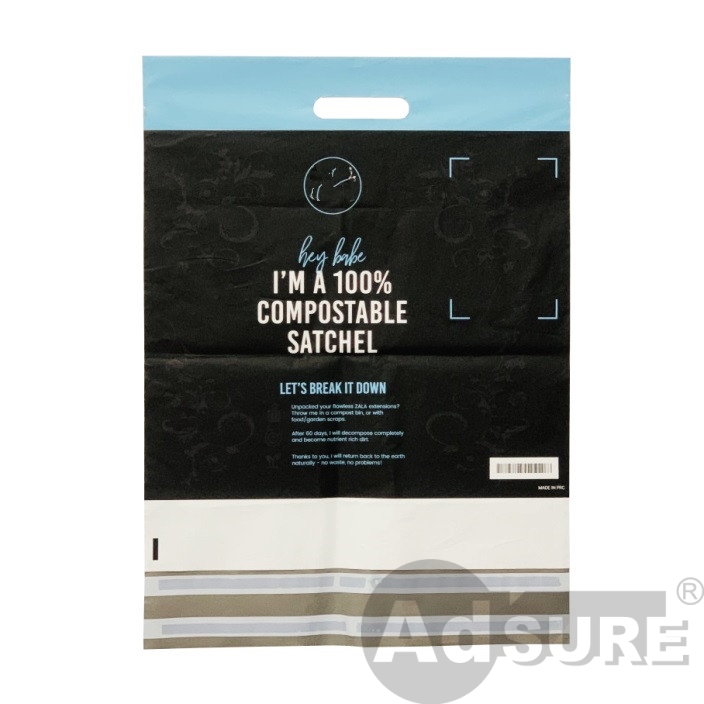
Comprehensive Sustainable Portfolio: Beyond PE films, we offer a wide range of eco-friendly options, including 100% compostable bags certified to TÜV and GRS 4.0 standards, and kraft paper packaging designed for recyclability. Explore our full sustainable packaging solutions range to find the right fit for your EPR compliance strategy.
By proactively adapting to the EU Packaging and Packaging Waste Regulation, businesses can turn regulatory pressure into a competitive advantage. Embracing extended producer responsibility not only reduces environmental impact but also resonates with increasingly eco-conscious European consumers, strengthening brand reputation across the EU market.
Ready to align your packaging with EU PPWR and EPR compliance requirements? Contact Adsure Packaging Today for a Free Consultation »
Reviewed by: Adsure Packaging Technical Team
Trademark Disclaimer: Autobag®, SidePouch®, and FAS SPRint Revolution™ are trademarks of Automated Packaging Systems, Inc. (a Sealed Air company). Adsure Packaging is not affiliated with, endorsed by, or authorized by Sealed Air Corporation or Automated Packaging Systems. All compatible products are independently manufactured by Adsure Packaging.





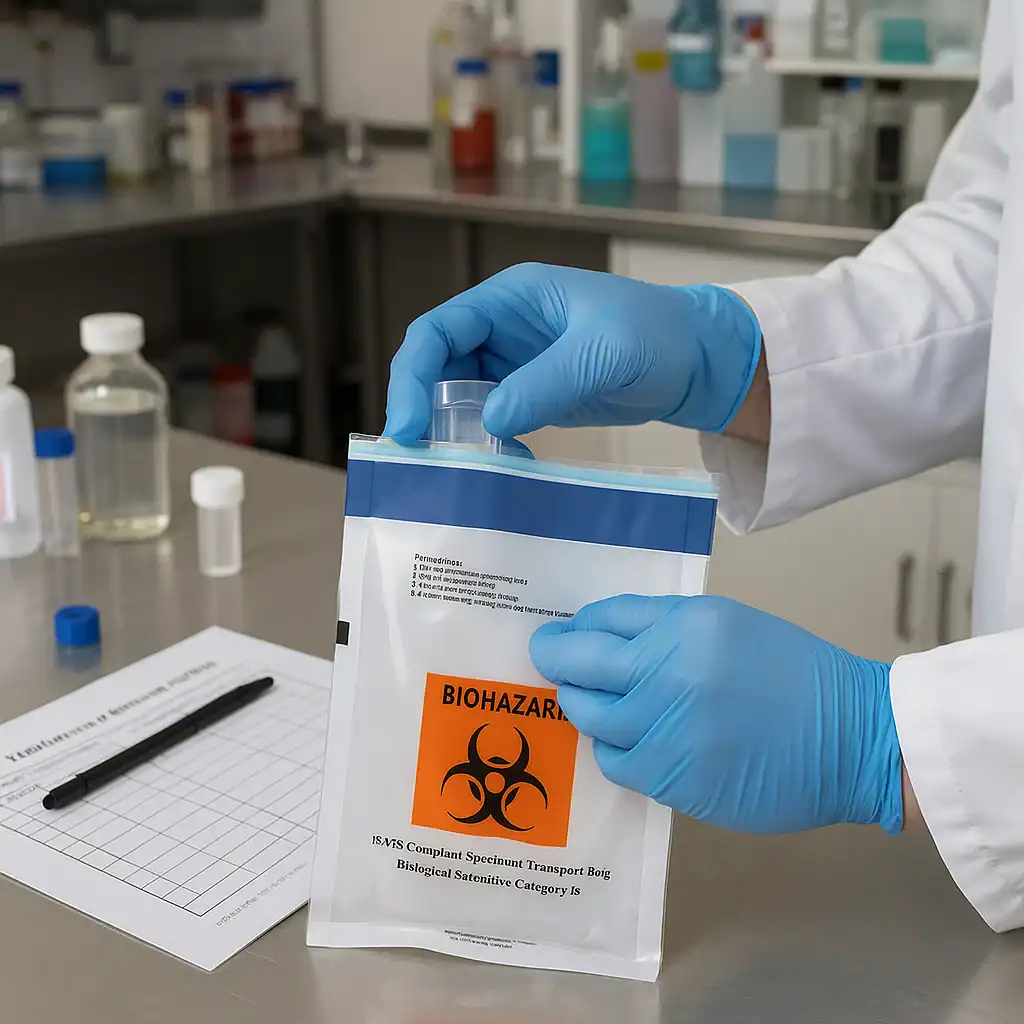
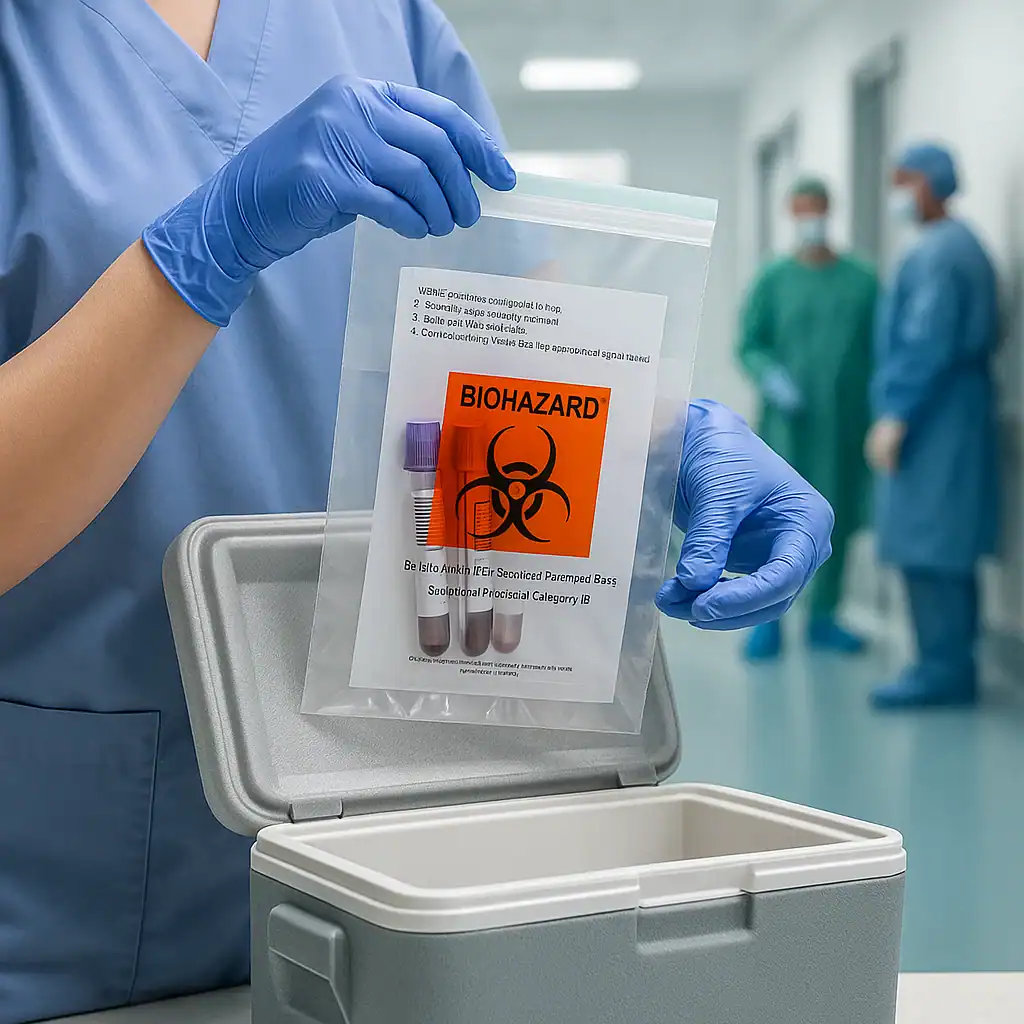 Lab specimen transport bags are a critical component in safely transferring medical samples from collection sites to laboratories. Proper use of these bags, along with adherence to guidelines (including WHO recommendations), ensures that specimens arrive intact and uncontaminated for accurate diagnosis. This guide answers common questions about specimen transport, covering what these bags are, how to use them, WHO guidelines, step-by-step transport procedures, and special considerations for blood samples – all with a professional focus for hospital procurement staff, lab technicians, and medical professionals.
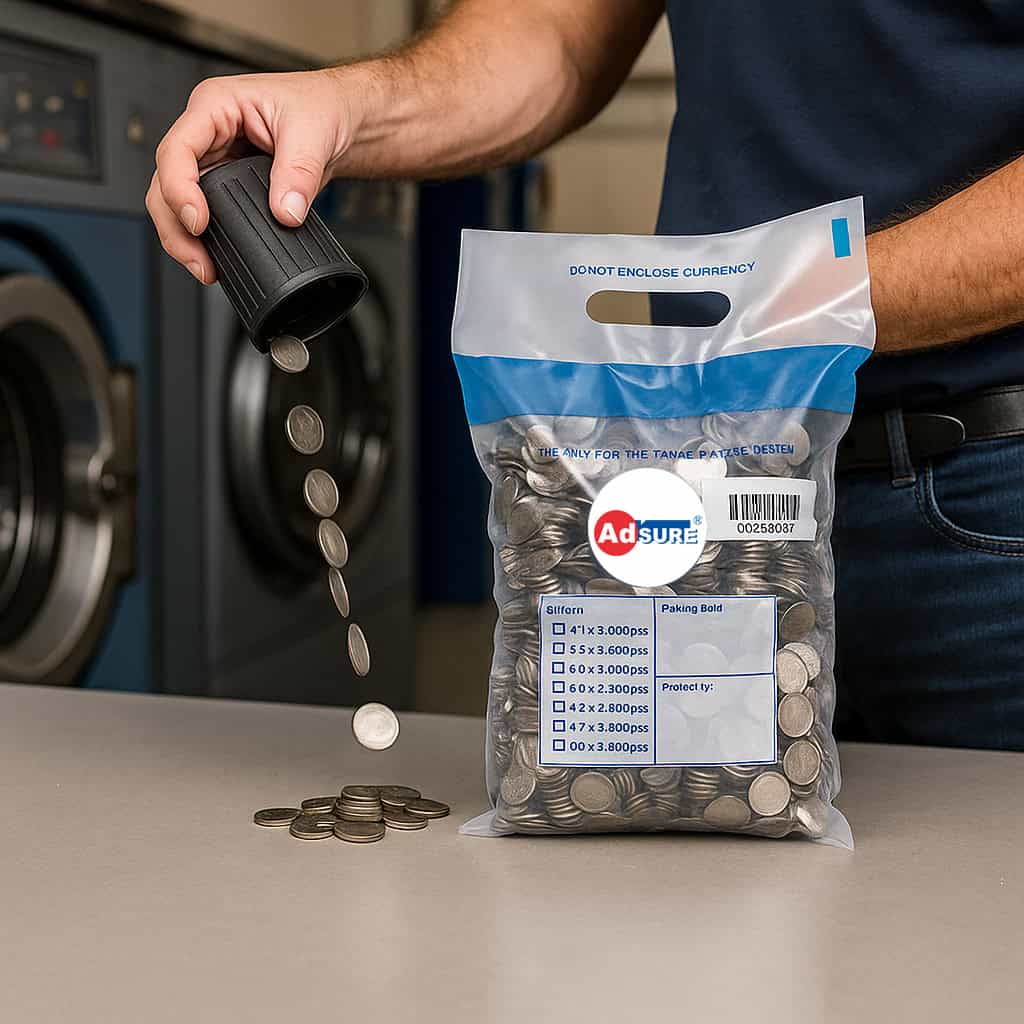
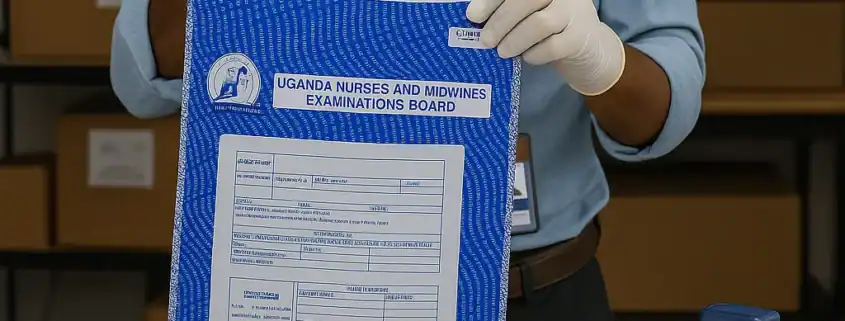
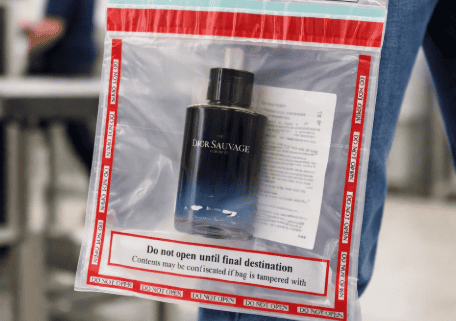
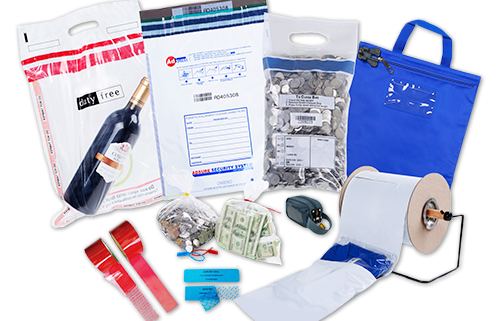
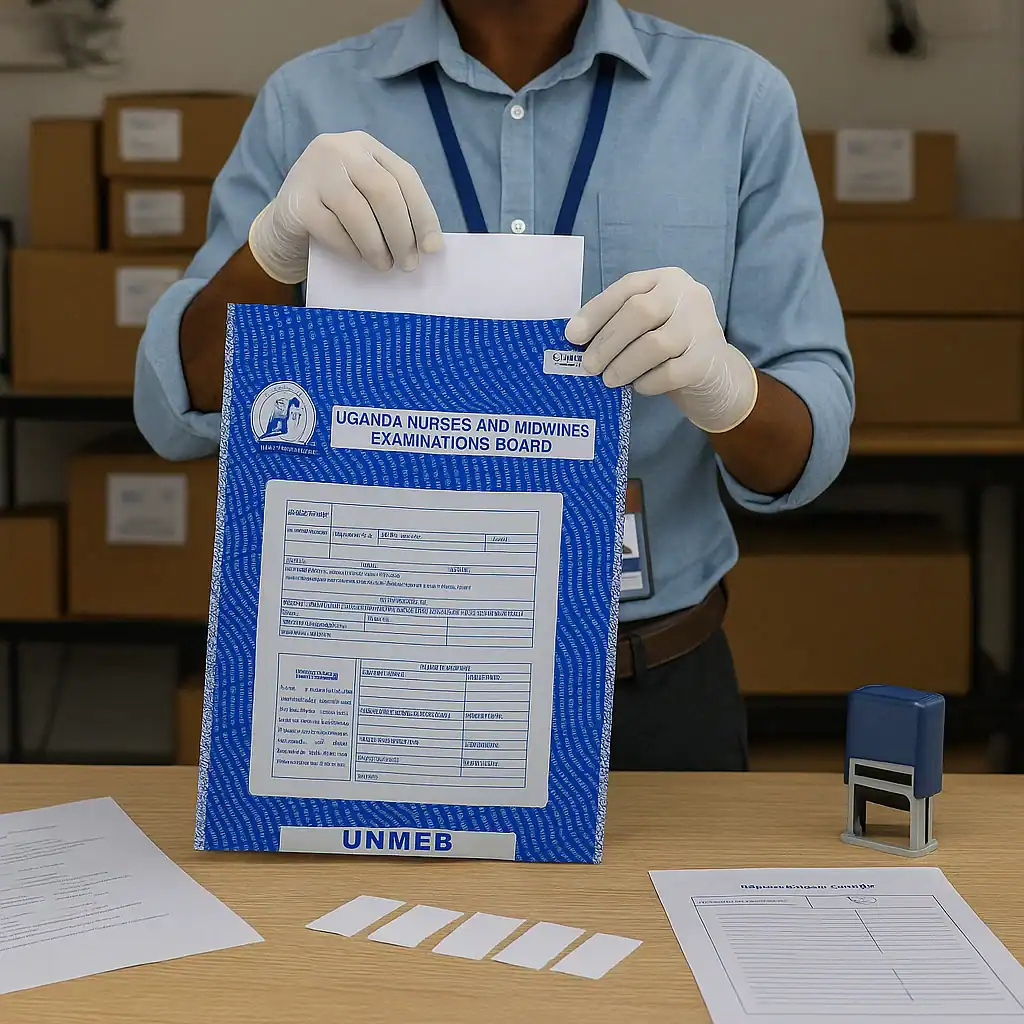 In today’s world, where security is paramount, ensuring the safety of sensitive information during transit is critical. Whether it’s important documents, cash, or valuable items, protecting these from tampering is essential. This is where tamper-evident envelopes come into play. These specially designed envelopes offer a level of protection that makes it easy to spot if a package has been tampered with. In this article, we will dive into everything you need to know about tamper-evident envelopes, including their purpose, how to detect tampering, and the requirements they must meet.