Posts

duty-free bag

The Importance of ICAO-Listed STEBs in Aviation Security
Duty Free Bag - ICAO Listed STEBs Aviation Security

TL;DR: ICAO-listed STEBs are the only bags authorised to carry duty-free liquids through international airport transfer security. Adsure Packaging is a listed manufacturer of ICAO-compliant STEBs, supplying airports and duty-free retailers worldwide.

Introduction
In the world of aviation security, ensuring the safe transport of goods is critical. One of the most vital innovations in this area has been the development of ICAO-listed STEBs (Security Tamper-Evident Bags). These bags play an essential role in the transportation of duty-free goods and high-value items, ensuring that they are secure and tamper-proof throughout their journey. In this blog post, we will explore the importance of ICAO-listed STEBs and why they are the gold standard in aviation security.

What is an ICAO-Listed STEB?
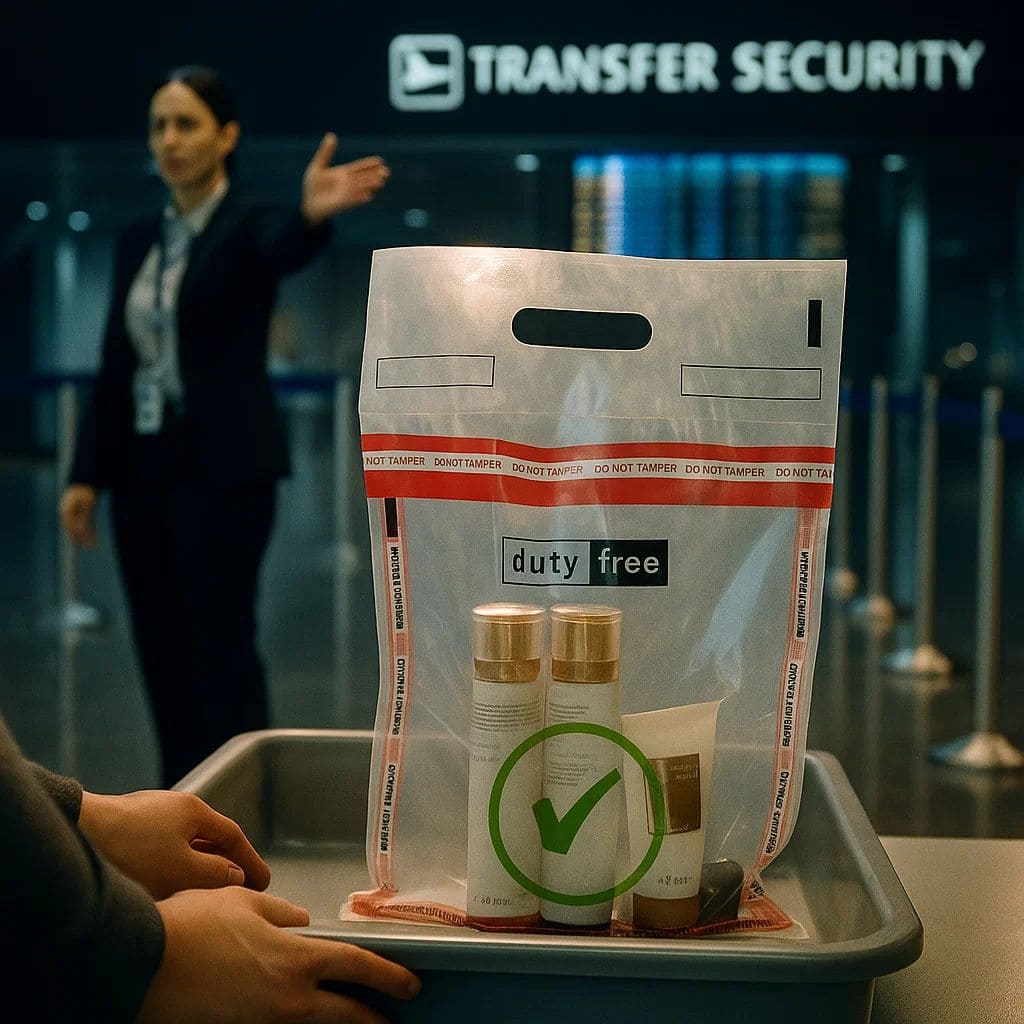
ICAO (International Civil Aviation Organization) sets the global standard for aviation security, and a STEB is a specially designed bag that complies with ICAO’s requirements for secure transport. These bags are tamper-evident, meaning any attempt to open or alter the contents will be immediately noticeable. ICAO certification ensures that the bags meet stringent safety and security standards, which makes them ideal for use in airports, duty-free shops, and by law enforcement agencies around the world.

The Advantages of ICAO-Listed STEBs

  1. Tamper-Evident Security: The bags are designed to clearly show if any tampering has occurred, providing an additional layer of security for both goods and passengers.

  2. Compliance with ICAO Standards: ICAO-listed bags are rigorously tested to ensure they meet international security standards. This provides peace of mind to airports, security agencies, and businesses alike.

  3. Global Recognition: As ICAO sets the standards for aviation security worldwide, using ICAO-listed STEBs ensures that the products comply with the highest level of safety and security recognized across international borders.

  4. Protection for Duty-Free Goods: ICAO STEBs are commonly used to secure duty-free items that are transported internationally. These bags ensure that goods are not tampered with during transit, preventing potential theft or loss.

Why ICAO-Listed STEBs Matter
Unlike some other products that may not have the required certifications, ICAO-listed STEBs provide verifiable compliance, ensuring that your products or goods are transported safely and securely across borders. Choosing ICAO-listed STEBs over non-certified alternatives is crucial, especially when dealing with high-value or regulated goods such as pharmaceuticals, electronics, and currency.

The Benefits of Adsure’s ICAO-Listed STEBs

  • Pioneers in the Market: Adsure Packaging is one of the first companies in Asia to offer ICAO-listed STEBs, and we have been a leader in both online and offline sales of these security bags. This experience ensures that our products are not only compliant but also of the highest quality.

  • Innovative Solutions: Our ICAO-listed STEBs come with advanced security features, such as clear evidence of tampering, which gives users confidence in the safety of their items.

  • Trusted by the Industry: As a company that specializes in tamper-evident security packaging, we offer products that meet and exceed the requirements of industries worldwide, from airports to law enforcement and beyond.

Conclusion
In today’s globalized world, the need for secure transport of goods has never been more important. ICAO-listed STEBs are the ultimate solution for ensuring that duty-free and other high-value items are protected throughout their journey. At Adsure Packaging, we are proud to be pioneers in this field, providing the highest quality, ICAO-listed tamper-evident bags. Trust in our expertise and choose the bags that meet the gold standard in aviation security.

Frequently Asked Questions

What does ICAO-listed mean for STEBs manufacturers?

ICAO-listed means a manufacturer’s STEBs have been evaluated and approved for inclusion on the ICAO list of compliant security bag suppliers. Airlines and airports are required to accept only STEBs from listed manufacturers. Adsure Packaging is a listed manufacturer of ICAO-compliant STEBs.

Why are STEBs required for duty-free liquids at airports?

ICAO regulations prohibit liquids over 100ml in carry-on luggage, but allow duty-free purchases if they are sealed in a tamper-evident STEB with a receipt visible from outside. The STEB proves the item was purchased after security screening and has not been tampered with during transit.

How long are ICAO STEBs valid?

ICAO STEBs do not have a fixed expiry date, but they must remain sealed and undamaged throughout the journey. If the bag is opened or the seal is broken at any point, the contents will be confiscated at the next security checkpoint. Always keep the original receipt inside the bag.

Can any bag be used as a STEB at airports?

No. Only bags from ICAO-listed manufacturers are accepted as STEBs at international airports. Standard plastic bags or non-compliant security bags will be rejected at transfer security checkpoints, and the contents may be confiscated regardless of their origin.

Reviewed by: Adsure Packaging Technical Team
Comparison-of-cigarette-prices-between-airports-and-shopping-malls

Airport Shopping vs. Mall Shopping: Do You Really Know the Difference?

Shopping is often an essential part of travel. But should you complete your shopping at the city mall before heading to the airport, or wait until you’re past security? The differences between these two shopping experiences go far beyond location—they involve price, product selection, shopping experience, convenience, and after-sales support.

TL;DR: Airport duty-free shopping offers tax savings and exclusive travel products, but limited after-sales support. Mall shopping gives more variety and easier returns. For duty-free liquids bought at the airport, always check STEB requirements before international transfers.

Price Differences: Taxed vs. Duty-Free

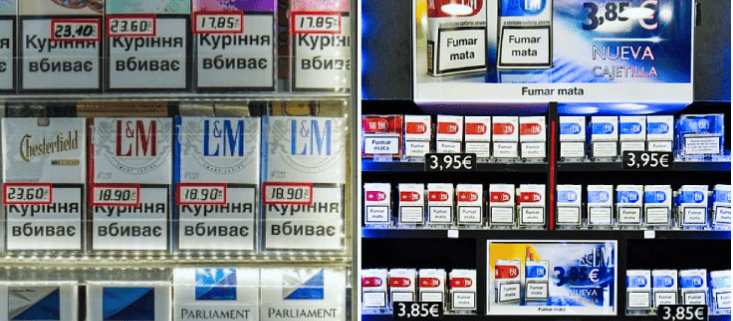
At city malls, prices usually include local taxes. In the U.S., for example, sales tax ranges from 6% to 10%. Cigarettes are heavily taxed—often far more than regular goods. A pack of cigarettes in downtown New York can cost around $20, with nearly half of that being federal, state, and local taxes.

In contrast, at airport duty-free stores, the same pack might cost as little as $4. This shows the significant price advantage of duty-free shopping. For international travelers, duty-free goods are priced in USD and paid for directly at checkout—offering more convenience and clarity.

机场和购物中心香烟价格比较

Product Variety and Experience: Wide Selection vs. Efficiency

Shopping malls offer a wide range of products and services, designed to create an immersive experience. You can try on makeup, compare styles, receive personalized recommendations, and enjoy loyalty points or promotional gifts. From fashion and skincare to electronics and food, malls cater to almost every shopping need.

Airport shopping, on the other hand, is built around speed and convenience. Duty-free stores focus on best-selling, high-tax items such as alcohol, tobacco, perfumes, and luxury goods. Some airports also sell local souvenirs or limited-edition products—great for last-minute purchases. While product options are fewer, the curated selection saves time, ideal for decisive shoppers.

商场购物与机场购物人流量对比

Carrying Convenience: Can You Bring It Onboard?

While malls offer more choice, bringing liquid items on a flight can be tricky. Airlines usually limit carry-on liquids to 100ml per item, with a total limit of 1 liter. Without checked baggage, larger liquid purchases may be off-limits.

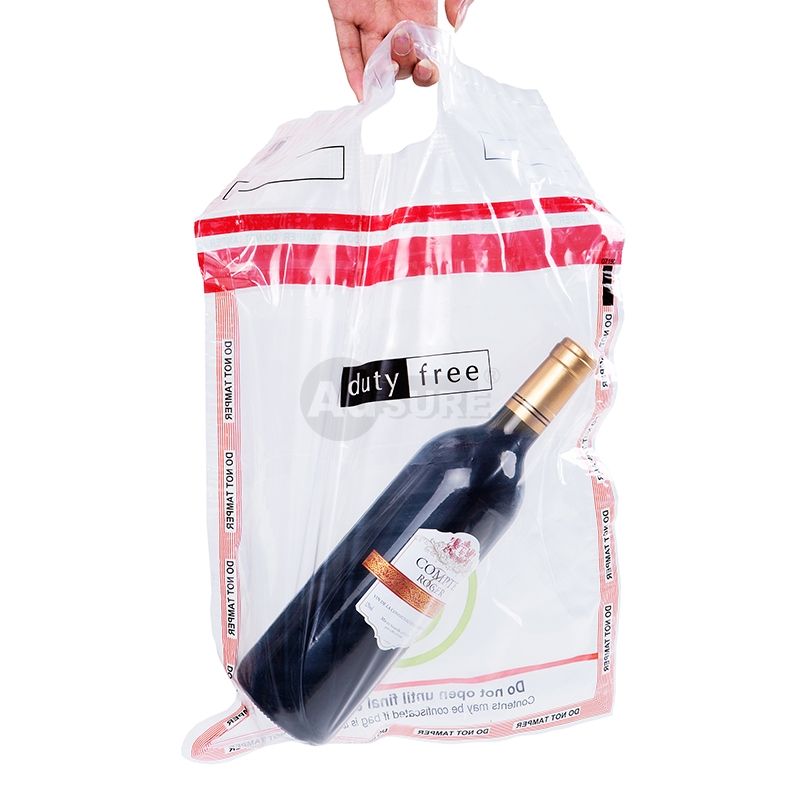
Airport duty-free shops solve this with Security Tamper-Evident Bags (STEBs). These transparent bags are sealed and labeled with your flight info, making them compliant with airline rules. Always ensure liquids are properly sealed and keep the receipt to avoid issues during your journey.

一瓶葡萄酒搭配的 STEB

After-Sales Support: Peace of Mind Matters

Malls generally provide better after-sales support, especially in brand-owned stores. Clear return and exchange policies mean you can easily get help if something goes wrong.

By contrast, airport purchases are often final. Once you leave the country, returning or exchanging items can be nearly impossible. That’s why it’s crucial to double-check product details, prices, and packaging before completing a purchase.

出示护照以办理免税商品

Making the Right Choice: It Depends on Your Needs

If you value variety, personalized service, and strong after-sales support, city malls are the way to go—perfect for a planned shopping trip where you can take your time exploring options. Just be prepared to pay taxes, and in some cases, navigate a refund process.

If you want to save money, make a last-minute purchase, or avoid checking luggage, airport shopping has a clear advantage. It’s especially handy for buying perfumes, alcohol, and other highly taxed goods, with the bonus of easy onboard handling.

Frequently Asked Questions

Is airport duty-free shopping always cheaper than mall shopping?

Not always. Duty-free prices are lower because VAT and import duties are removed, but airport retailers add a premium for the captive audience and high rents. For alcohol, tobacco, and luxury cosmetics, duty-free is usually cheaper. For electronics and everyday goods, mall prices are often competitive or lower.

Can you return duty-free purchases?

Returns policies for duty-free purchases are generally more restrictive than mall shopping. Most airport duty-free stores do not accept returns once you have passed through security or left the country. Always check the return policy before purchasing, especially for high-value items.

Do you need a STEB bag for duty-free liquids on connecting flights?

Yes. If you are travelling on a connecting international flight, duty-free liquids must be sealed in an ICAO-compliant STEB (Security Tamper-Evident Bag) with the receipt visible inside. Without a STEB, liquids over 100ml may be confiscated at the transfer security checkpoint.

What is the 100ml liquid rule for airport carry-on?

Most international airports follow the ICAO rule limiting liquids, aerosols, and gels in carry-on luggage to containers of 100ml or less, all placed in a single transparent resealable bag of up to one litre. Duty-free liquids purchased after security in a sealed STEB are exempt from this limit.

Reviewed by: Adsure Packaging Technical Team