Posts

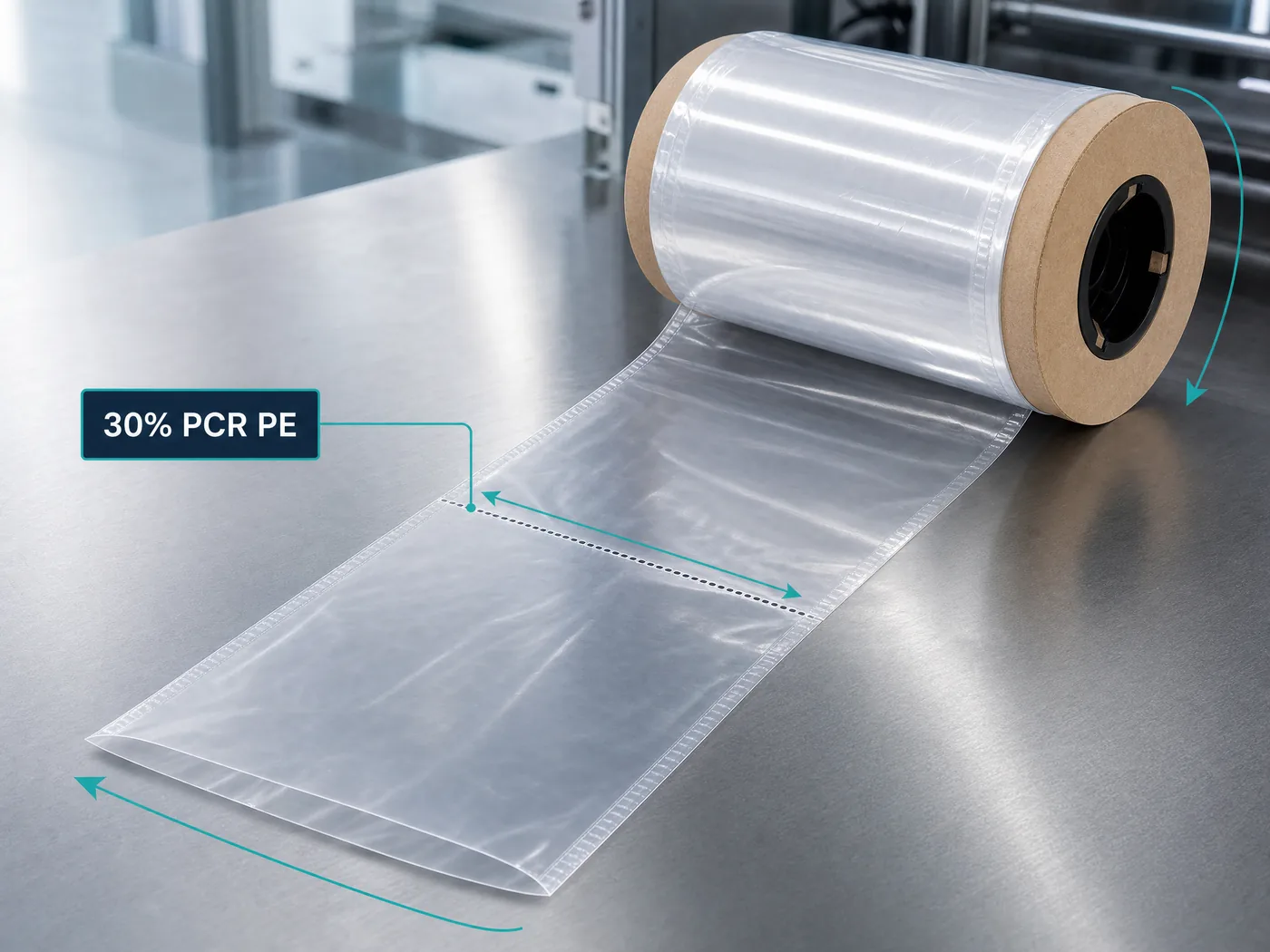
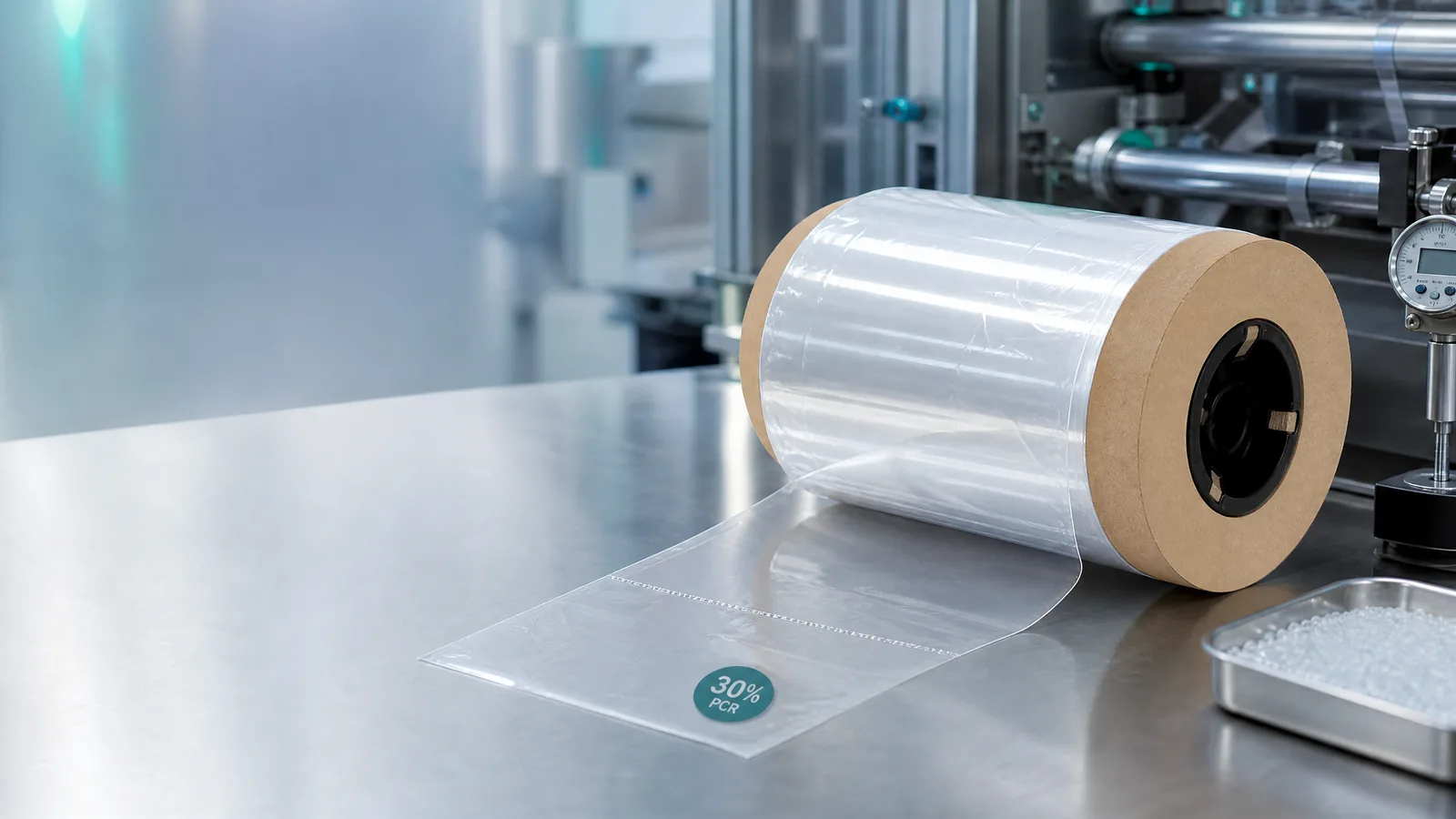
Manufacturer under PPWR guide featuring a transparent 30% PCR PE perforated bag roll

Who Is the Manufacturer Under PPWR? A 30% PCR Perforated Bag Case Study

A packaging converter produces the film. A bag manufacturer converts it into perforated bags. A brand owner fills and seals the bags. An importer places the packaged product on the EU market. Which company is the manufacturer under PPWR?

The answer is not always the factory that physically makes the empty bag. The Packaging and Packaging Waste Regulation, or PPWR, assigns responsibilities according to the packaging format, branding, design control, final conversion and route to the EU market. This guide explains those responsibilities through a practical example: Adsure Packaging’s 30% post-consumer recycled, or PCR, transparent polyethylene perforated bags on roll.
Manufacturer under PPWR guide featuring a transparent 30% PCR PE perforated bag roll

Important: This article provides general product and regulatory information, not legal advice. The responsible economic operator and applicable PPWR requirements must be confirmed for each packaging project and route to market.

What Is the Difference Between PPWD and PPWR?

The former Packaging and Packaging Waste Directive, or PPWD, required EU Member States to transpose common objectives into national law. Implementation could therefore vary between countries. Regulation (EU) 2025/40, known as the PPWR, is directly applicable across the European Union and generally applies from 12 August 2026, while many detailed obligations take effect later under phased deadlines.[1] [2] For a related operational overview, see Adsure’s guide to EU PPWR and EPR responsibilities.

Topic PPWD PPWR
Legal form Directive Regulation
National implementation Required Member-State transposition Direct EU-wide application
Recyclability grading Less harmonised EU A/B/C performance framework
Recycled plastic content Limited common requirements Mandatory future minimum percentages
Technical documentation Less standardised Formal conformity documentation
EPR Implemented mainly through national rules More harmonised framework, with national registration and reporting remaining relevant

The change matters to anyone deciding who is the manufacturer under PPWR, because the Regulation creates more explicit duties for manufacturers, importers, distributors, suppliers and producers. However, 12 August 2026 is not a universal deadline by which every future target must already be met. Companies should instead classify their packaging, identify responsible economic operators and begin building documentation before the requirements progressively become applicable.

PPWR Article 6 establishes recyclability performance grades A, B and C. Detailed design-for-recycling criteria are still to be established through delegated acts, which the Commission is required to adopt by 1 January 2028. The design-for-recycling condition applies from 1 January 2030 or 24 months after those delegated acts enter into force, whichever is later.[1] A supplier should therefore not promise a final official A, B or C grade for a current bag before the applicable assessment rules are available.

Who Is the Manufacturer Under PPWR?

Under the Regulation, “manufacturer” is a legal compliance role, not merely a description of the company operating a film-extrusion or bag-making machine. The European Commission’s 2026 PPWR guidance explains how the role should be identified in different supply chains and indicates that, in principle, there should be one manufacturer under PPWR for a packaging item.[3]

For sales packaging and grouped packaging that are completed during packing, the business performing the final cutting, filling and sealing, and placing the packed product on the market, may be the manufacturer. Branding and design control can also change the analysis. A company that has packaging made and marketed under its own name or trademark may assume the manufacturer’s obligations even when another factory performs the physical conversion.[1] [3]

The Manufacturer Under PPWR Is Not Always the Physical Bag Factory

Consider a roll of film or partially converted bags. If a customer completes the final conversion, fills the bags, seals them and places the packaged goods on the EU market under its own brand, that customer or brand owner may be the manufacturer under PPWR. By contrast, when a supplier places a completed, unbranded packaging format on the market under its own control, the supplier may be the manufacturer. The facts must be reviewed project by project.

Typical supply-chain situation Party that may be the manufacturer under PPWR Key facts to verify
Customer completes cutting, filling and sealing of sales packaging Customer, packer or brand owner Final conversion, branding and market placement
Adsure supplies completed, unbranded transport packaging based mainly on its own design Adsure may hold the role Packaging type, design control and contractual scope
Bags carry the customer’s name or trademark and follow customer-defined specifications Customer or brand owner may hold the role Trademark, specification ownership and intended use
Importer or distributor sells packaging under its own brand or modifies it in a way that affects conformity Importer or distributor may assume manufacturer duties Rebranding, modifications and placing on the market
Supplier and user jointly develop unbranded packaging Depends on the facts Who orders and determines the essential design specifications

When Can a Packaging Converter Be the Manufacturer?

Adsure may be the manufacturer under PPWR when it supplies packaging in its final form, controls the essential design, places it on the market under its own name and the packaging is not later completed or branded in a way that changes the responsibility analysis. This may be more relevant to certain finished transport, service or unbranded packaging formats.

The precise conclusion cannot be made solely from a purchase order description such as “plastic bag.” The parties should record the packaging category, design decisions, brand ownership, final conversion steps, intended packed product, destination market and contractual allocation of information duties.

When Is the Customer or Brand Owner the Manufacturer?

A customer is more likely to be the manufacturer under PPWR when it determines the bag dimensions, thickness, structure, printing and intended use; places its name or trademark on the packaging or packaged product; performs the final filling and sealing; and supplies the packaged goods in the EU under its own brand. The Commission guidance should be consulted alongside the Regulation and the facts of the transaction.[1] [3]

Manufacturer Versus Producer

Manufacturer primarily addresses packaging conformity: sustainability requirements, conformity assessment, technical documentation, required declarations and relevant labelling. Producer primarily addresses national extended producer responsibility obligations, including registration, reporting and waste-management contributions. The two roles may be held by different entities.[1] [3]

Knowing the manufacturer under PPWR does not automatically identify the EPR producer in every Member State. Businesses must assess both roles, especially where a non-EU supplier, EU importer, brand owner, fulfilment operator and online seller are involved.

A Practical Example: Adsure’s 30% PCR Transparent PE Bag

Adsure’s product-development example is a transparent PE perforated bag on roll containing 30% post-consumer recycled plastic. It can be developed as a manually dispensed perforated bag or, where the opening geometry, perforation, winding and equipment parameters are defined, as a pre-opened bag for automated packaging. Adsure’s existing product range includes custom PE pre-opened and perforated bags on rolls, recycled-material options and custom dimensions, perforations and printing.[4] [5]

Product specification Project description
Product Transparent PE perforated bags on roll
Recycled content 30% post-consumer recycled plastic
Main material PE-based structure
Format Bags separated by perforation
Appearance Transparent
Sizes Customisable after application review
Printing Plain or custom printed
Application Subject to packed product, equipment and packaging classification
Manufacturing role Determined by branding, design control, final conversion and intended use
Transparent 30% PCR PE bags on a roll with a tear perforation and winding direction
Product-detail illustration of a transparent 30% PCR PE perforated bag web.

The 30% PCR formulation reduces dependence on virgin resin by replacing part of the polymer input with post-consumer recycled material. That percentage must be supported by appropriate supplier, batch, mass-balance or traceability evidence under the agreed project scope. It should not be treated as a standalone legal conclusion.

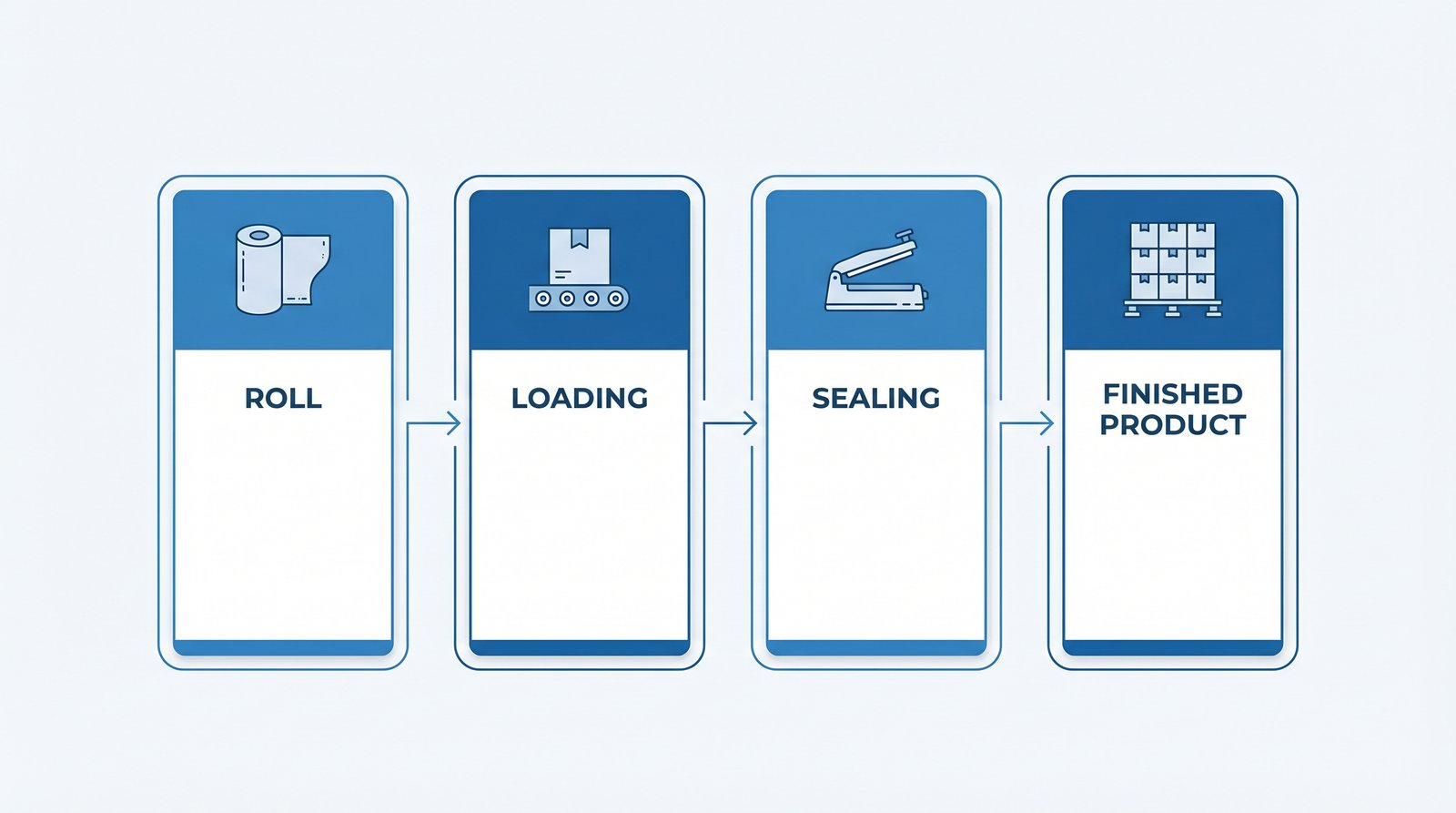
The roll format can support continuous dispensing. For automatic packing, buyers should specify the open side, perforation position, seal geometry, web width, roll core, maximum roll diameter, winding direction, registration requirements and machine model. Compatibility should be validated against the customer’s equipment and operating conditions rather than described as universal.

Adsure can also review dimensions, thickness, PCR level, clarity, print coverage, venting, sealing performance and sample-testing requirements. A buyer selecting the manufacturer under PPWR should ensure that these design inputs and responsibilities are documented before mass production. This written decision also helps the manufacturer under PPWR maintain consistent evidence across purchasing, testing and conformity review.

Does 30% PCR Make the Bag PPWR Compliant?

No. A single PCR percentage does not make packaging automatically PPWR compliant. A conformity assessment may also need to address packaging classification, recyclability, minimisation, substances of concern, labelling, technical documentation, production controls, importer duties and the EU Declaration of Conformity.[1]

For plastic packaging other than the contact-sensitive categories and single-use beverage bottles listed in Article 7(1), the current PPWR text sets a 35% minimum recycled-content target by 1 January 2030 or three years after the relevant implementing act enters into force, whichever is later. The corresponding 2040 value is 65%.[1] If the transparent PE bag falls in this general non-contact-sensitive category, a 30% PCR formulation is below the future 35% threshold.

The responsible manufacturer under PPWR should therefore position the 30% PCR bag as a current transition option that can reduce virgin-plastic use, support material testing and create a documentation baseline. It should not be marketed as a “fully PPWR-compliant 30% PCR bag.” A higher-PCR version may be developed and validated, but its suitability will depend on transparency, sealing, strength, equipment performance, traceability and the final calculation rules.

Contact-sensitive packaging can be subject to different percentages and possible derogations. The classification of food, medical, pharmaceutical or other sensitive applications must therefore be confirmed before selecting a target.[1]

How Can the Manufacturer Under PPWR Prepare?

The manufacturer under PPWR should build a project-specific evidence file rather than relying on a generic supplier certificate. The following sequence helps procurement, compliance and engineering teams work from the same assumptions.

Step Buyer action Output to retain
1. Classify the packaging Determine whether it is sales, grouped, transport, service or contact-sensitive packaging Written classification and intended-use statement
2. Identify responsible operators Record who controls design, owns the brand, performs final conversion and first places the packaging on the EU market Responsibility matrix
3. Define the PCR target Match the category and use to the applicable Article 7 percentage and date Target specification and calculation basis
4. Review design for recycling Assess PE structure, inks, labels, adhesives, additives and separability Design review and test plan
5. Minimise packaging Balance protective performance with weight, volume and empty space Size and thickness rationale
6. Build technical documentation Compile drawings, material data, tests, calculations, risk assessment and production controls Controlled technical file
7. Coordinate suppliers and importers Agree what evidence each party provides and how updates are managed Supplier document schedule

PPWR Annex VII describes technical-documentation content such as a general description, conceptual design and manufacturing drawings, explanations needed to understand them, applicable standards or specifications, qualitative analyses, test reports and other evidence.[1] The exact file should reflect the packaging and the conformity requirements that apply to it.

Even when Adsure is not the legal manufacturer under PPWR for the final packaging, it can support the customer as a packaging supplier. Article 15 requires suppliers to provide the manufacturer with the information and documentation necessary to demonstrate conformity, subject to the applicable scope and agreement.[1]
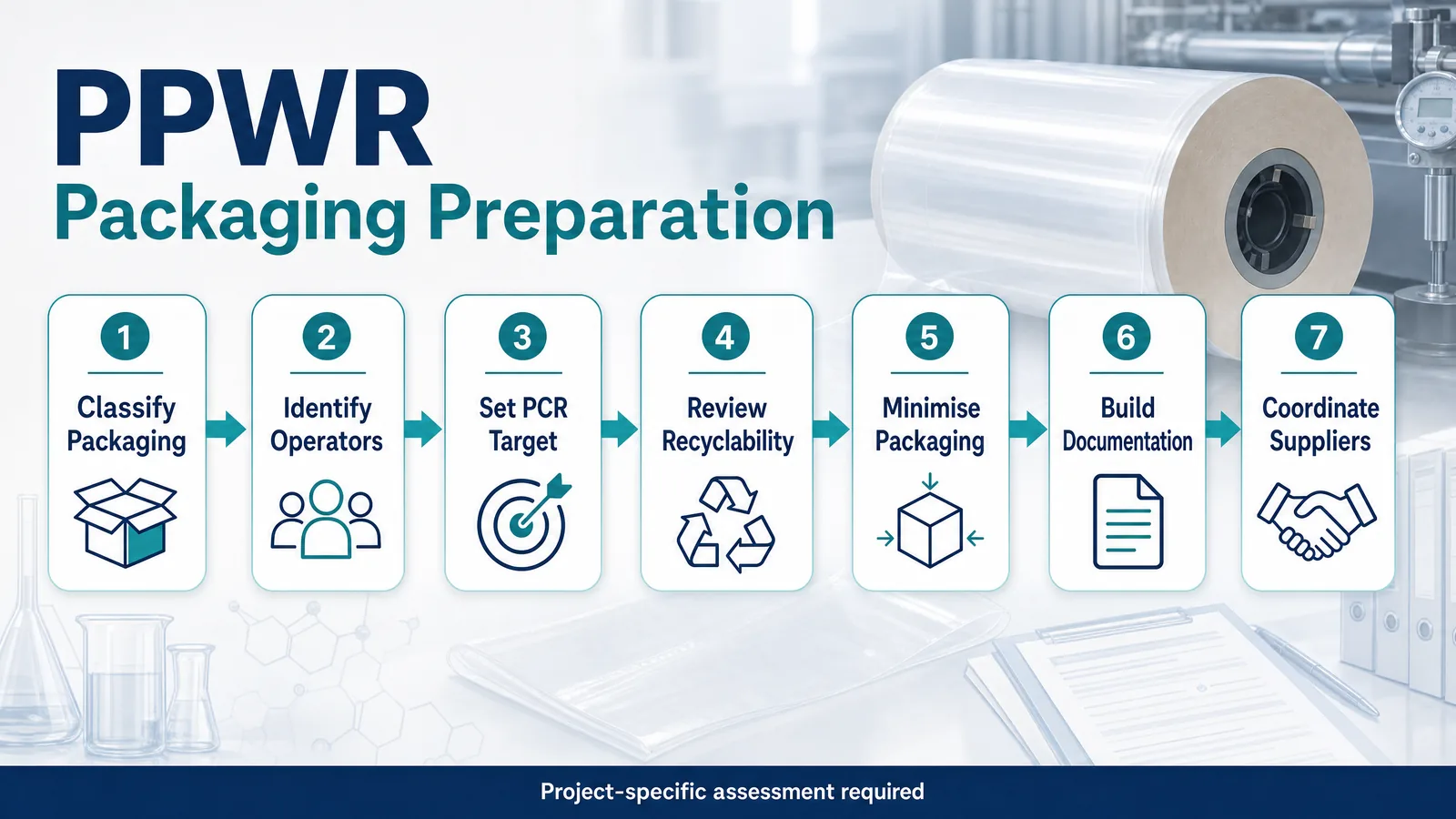
Seven-step PPWR packaging preparation workflow for classification, PCR targets and documentation
A seven-step workflow for project-specific PPWR packaging preparation.

What Documentation Can Adsure Provide?

Documentation can be prepared according to the final packaging specification, intended use, destination market and agreed compliance scope. Depending on the project, Adsure can provide or coordinate supplier-side information such as a product specification, material-composition declaration, PCR raw-material records, batch and production traceability data, dimensions and thickness records, sealing or performance test results, and third-party laboratory reports.

For customers preparing their technical files, Adsure can also provide manufacturing drawings, process information and data needed to support a packaging-minimisation rationale. The customer and Adsure should agree in advance which documents apply to the order and whether additional testing is required.

Adsure Packaging also holds relevant SGS-issued compliance certification, providing independent third-party support for its material-compliance and quality-control capabilities.[6] For the applicable product scope, Adsure can provide available material declarations, traceability documents and SGS testing or certification records. An SGS report or certificate may support technical documentation, but it does not transfer or replace the legal responsibility of the manufacturer under PPWR. Unless a certificate explicitly covers PPWR conformity for the exact product and scope, the safer descriptions are “SGS-issued compliance certification,” “SGS testing and documentation,” or “supported by SGS testing or certification.”

Why Work With Adsure Packaging?

Founded in 1985, Adsure Packaging has more than 40 years of packaging manufacturing experience and supplies custom packaging to customers in more than 60 countries.[7] The company develops customised perforated bags and pre-opened bags on roll and can adjust the structure for the packed product, material requirements, dispensing method and equipment parameters.[4] [5]

Adsure is not only a bag converter. Its team can work with buyers to define the bag structure, PCR level, machine requirements, performance criteria and supplier-documentation scope before mass production. Sample development and performance validation help buyers identify trade-offs between recycled content, clarity, sealing, strength and line efficiency.

This approach is especially useful when the customer will become the manufacturer under PPWR for the final branded packaging. Adsure can contribute supplier-side data and test evidence while the responsible business completes its own classification, conformity assessment and technical file.

Conclusion: Confirm the Manufacturer Under PPWR Before Making Claims

PPWR compliance begins by identifying the packaging type and the responsible manufacturer under PPWR. A 30% PCR transparent PE perforated bag can reduce virgin-plastic use and support a customer’s transition plan, but the final assessment depends on intended use, design, branding, documentation, market route and the applicable recycled-content target.

For general non-contact-sensitive plastic packaging, the present 30% PCR example should be treated as a transition option, not as proof that the future 35% target or every other PPWR obligation has been met. The next step is to combine an appropriate PCR formulation with equipment validation, material traceability, design-for-recycling review and a controlled technical-documentation plan.

Planning a PCR bag project for the European market? Send Adsure your bag dimensions, thickness, packed product, annual volume, printing requirements, packaging equipment and intended EU market. Our team can review manufacturability, PCR options and the supplier documentation required for your project.

Frequently Asked Questions

What is the difference between PPWD and PPWR?

PPWD was a directive that Member States implemented through national law. PPWR is Regulation (EU) 2025/40 and is directly applicable across the EU. It introduces a more harmonised framework for packaging sustainability, recyclability, recycled content, labelling, minimisation, documentation and EPR, although many detailed obligations apply in stages and still depend on delegated or implementing acts.[1] [2]

Who is the manufacturer under PPWR?

The manufacturer under PPWR is the economic operator legally responsible for packaging conformity. It is not automatically the factory that physically produces an empty bag. Branding, essential design control, final cutting or conversion, filling and sealing, and the party placing the packaging or packaged product on the EU market can all affect the determination.[1] [3]

Is the bag manufacturer always the PPWR manufacturer?

No. A bag factory can be a supplier while the customer or brand owner is the PPWR manufacturer for the final packaging. This is more likely when the customer controls the specifications, uses its own name or trademark, performs final filling and sealing, and places the packaged goods on the EU market. Each supply chain should be documented separately.[3]

Does 30% PCR make plastic packaging PPWR compliant?

No. PCR content is only one requirement. Compliance can also involve classification, recyclability, minimisation, substances, labelling, technical documentation, conformity assessment and importer duties. For ordinary non-contact-sensitive plastic packaging, the Regulation currently sets a future 35% minimum, so a 30% PCR bag should be presented as a transition option rather than a final compliance claim.[1]

What recycled content will plastic packaging need by 2030?

Article 7 currently sets 2030 minimums of 30% for contact-sensitive PET packaging, 10% for contact-sensitive non-PET packaging, 30% for single-use plastic beverage bottles and 35% for other plastic packaging. The deadline is 1 January 2030 or three years after the relevant implementing act enters into force, whichever is later. Exceptions and adjustments may apply.[1]

Can SGS issue a PPWR compliance certificate?

A laboratory or certification body can provide testing, audits or certification within a defined scope, but a report does not replace the manufacturer’s legal responsibility under PPWR. Buyers should verify the certificate title, tested product, standards, scope and validity. Avoid “SGS-certified PPWR compliant” unless the exact certificate explicitly supports that claim for the applicable packaging.[1] [6]

Reviewed by: Adsure Packaging Technical Team

Trademark Disclaimer: Autobag®, SidePouch®, and FAS SPRint Revolution™ are trademarks of Automated Packaging Systems, Inc. (a Sealed Air company). Adsure Packaging is not affiliated with, endorsed by, or authorized by Sealed Air Corporation or Automated Packaging Systems. All compatible products are independently manufactured by Adsure Packaging.

References

  1. Regulation (EU) 2025/40 on packaging and packaging waste.
  2. European Commission: Packaging waste.
  3. Commission Notice: Guidance document for Regulation (EU) 2025/40.
  4. Adsure custom PE perforated pre-opened bags on roll.
  5. Adsure pre-opened auto bags manufacturer.
  6. Adsure certificates and patents.
  7. Adsure Packaging company profile and manufacturing experience.
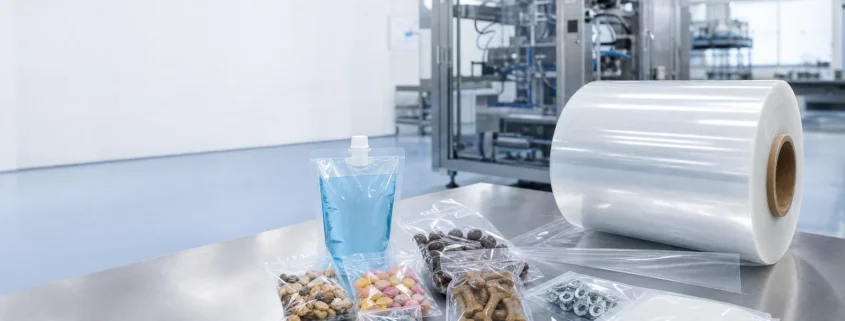
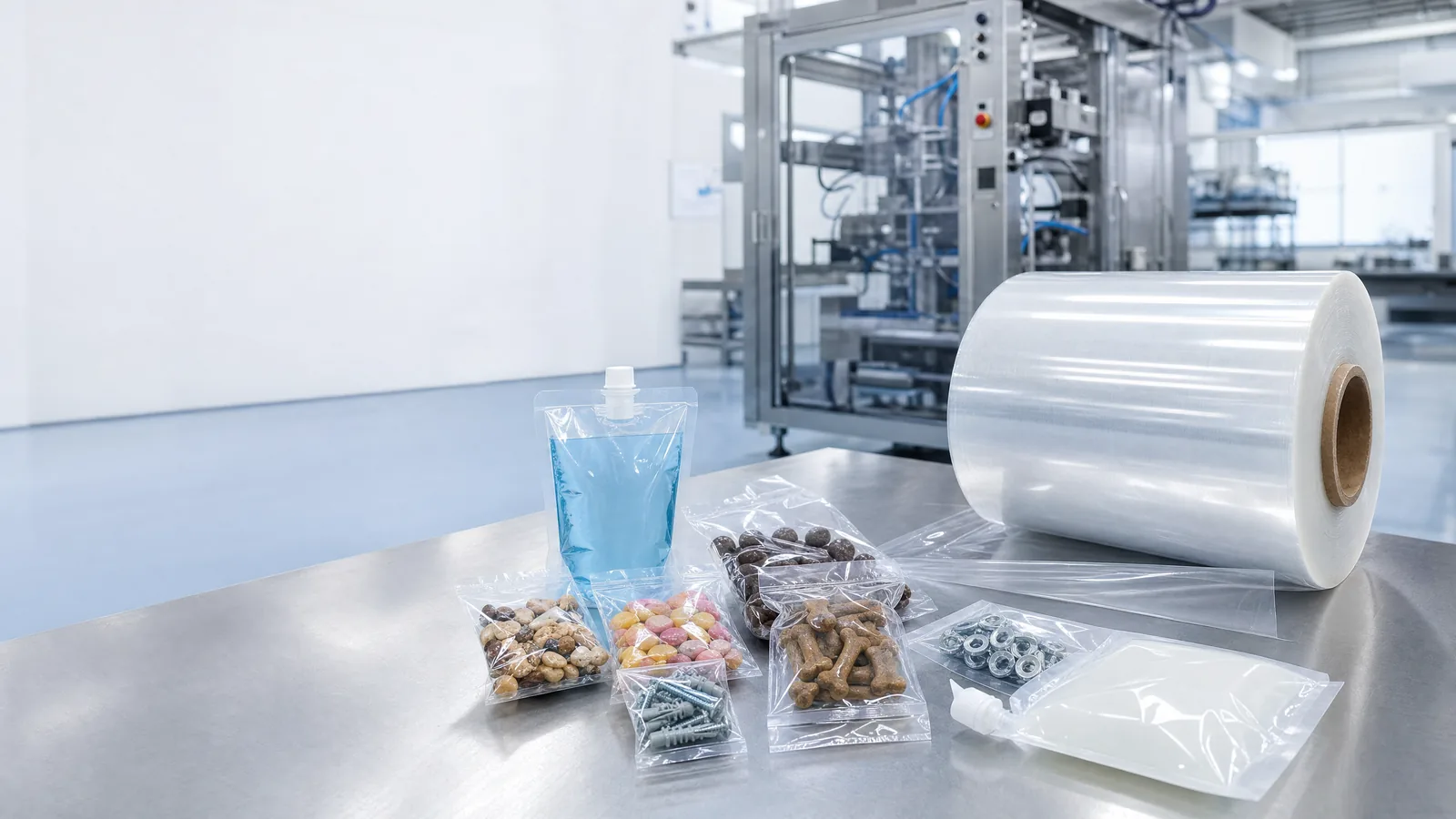
Realistic mono PE FFS film roll and small packaging samples on a packaging line

Mono PE FFS Film: 3-Layer Design for PPWR-Ready Small Packs

Mono PE FFS Film: 3-Layer Design for PPWR-Ready Small Packs

The European flexible packaging market is moving from multi-material performance by default toward recyclability by design. For brands running form-fill-seal packaging lines, mono PE FFS film is becoming a practical route to replace PET/PE, PA/PE, or PVC-based laminates in suitable small-pack applications. The key is not to oversell a complex structure. The more useful message is that a carefully engineered 3-layer polyethylene film can balance printability, stiffness, core strength, optional PCR integration, and heat-seal reliability while keeping the material family easier to explain in a PE recycling context.

Mono PE FFS film for PPWR-ready small packaging

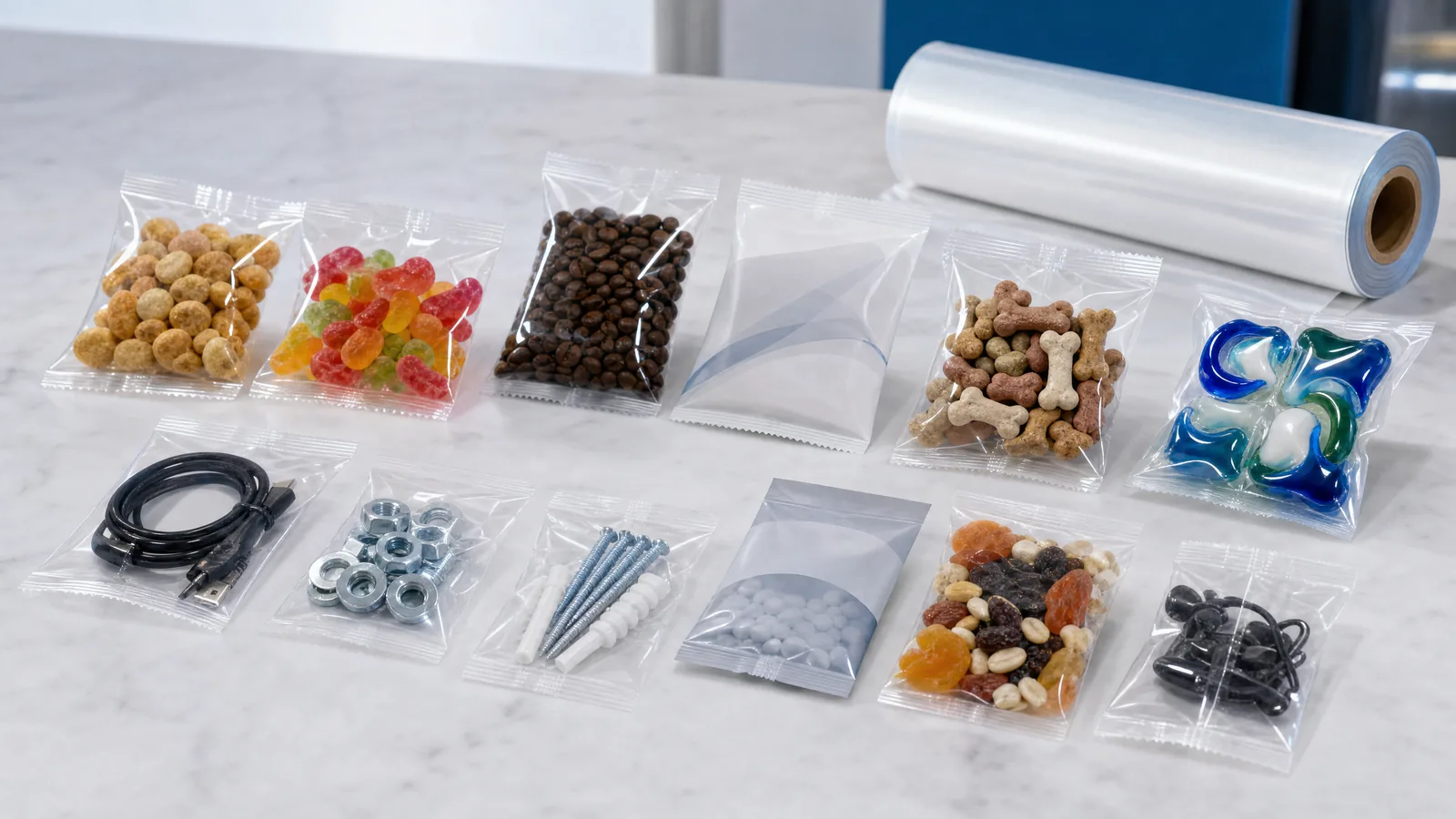
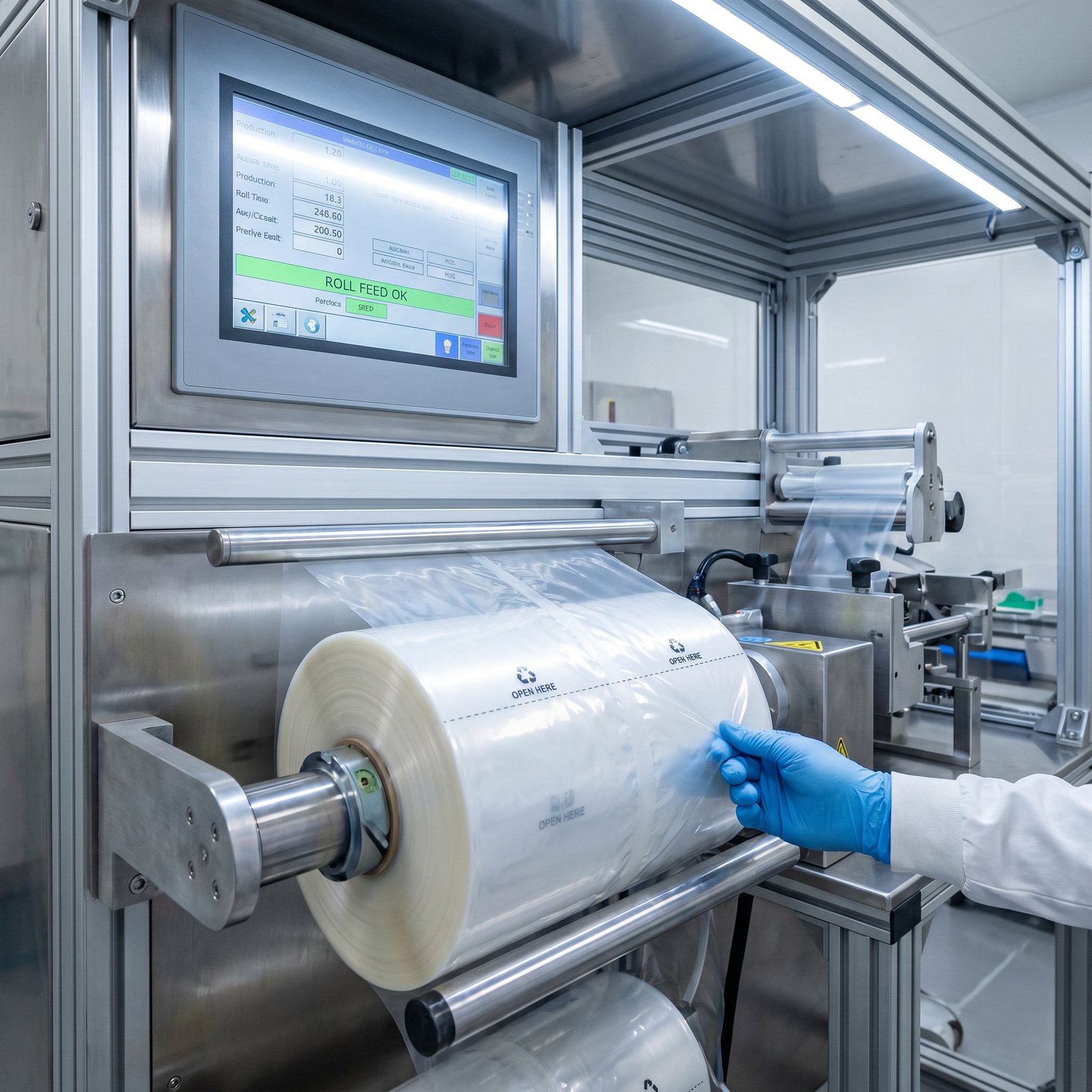
This article focuses on small and mid-light packaging formats, such as snack packs, confectionery packs, frozen vegetable pouches, pet treat packs, coffee refill packs, detergent pod outer packs, small hardware packs, and e-commerce accessory packs. In these applications, the major packaging challenges are usually not extreme load-bearing performance. They are machine stability, heat-seal consistency, shelf appearance, printable branding area, recyclability communication, and regulatory readiness.

Why Mono PE FFS Film Is Becoming Relevant in Europe

The EU Packaging and Packaging Waste Regulation, or PPWR, has changed the way packaging teams evaluate flexible materials. According to the European Commission, Regulation 2025/40 entered into force on 11 February 2025 and will generally apply from 12 August 2026. One of its stated objectives is to make all packaging on the EU market recyclable in an economically viable way by 2030, while safely increasing recycled plastics use and reducing dependence on virgin materials.1

The European Commission states that PPWR aims to make all packaging on the EU market “recyclable in an economically viable way by 2030” and to “safely increase the use of recycled plastics in packaging.”1

Traditional mixed-material films have been successful because each material contributes a specific advantage. PET can provide stiffness and a printable surface. PA can help with toughness or barrier needs. PE provides sealability. However, once these materials are laminated together, they become much harder to separate in mechanical recycling systems. That is why many European buyers are asking suppliers whether a package can be redesigned around one dominant polymer family.

A mono PE FFS film answers that question for suitable applications by keeping the main film structure within the polyethylene family. For small-pack brands, this creates a clearer route for recyclability discussions, PPWR preparation, EPR conversations, and internal sustainability reporting, while still allowing the film to be engineered for existing VFFS or HFFS equipment.

Market pressure Impact on small-pack brands How a 3-layer mono PE FFS film helps
PPWR raises expectations for recyclable design Multi-material films face increasing scrutiny A PE-family structure is easier to position for PE recycling streams
Buyers request recycled content options Procurement teams ask about PCR and sustainability claims The core layer can be evaluated for PCR while functional skins remain optimized
Existing FFS lines must remain stable Material changes cannot cause downtime or sealing defects Outer, core, and inner layers can be tuned for machinability
Shelf appearance still matters Small packs rely on visual quality and brand impact The outer layer can support printability, stiffness, and surface consistency

Why a 3-Layer Mono PE FFS Film Is the Right Message

More layers do not automatically mean a better solution for every brand. For many small packaging applications, a complex multilayer story may increase cost, complicate specification control, and weaken the recyclability narrative. Adsure Packaging should therefore emphasize a 3-layer mono PE FFS film structure: simple enough to explain, yet engineered enough to solve real packaging-line problems.

The value of the three-layer structure is functional separation. The outer layer supports printability, stiffness, abrasion resistance, and visual quality. The core layer provides thickness, body, mechanical strength, and a suitable position for optional PCR evaluation. The inner layer is designed around low-temperature sealing, hot tack, and seal integrity. For small packs, this layer-by-layer logic is especially important because the pack size is compact, the sealing cycle is fast, and even small variations in film behavior can affect bag shape and shelf presentation.

Layer Main function Value in small packaging
Outer layer Printability, stiffness, surface quality, and scuff resistance Supports branded snack packs, pet treat packs, refill packs, and retail presentation
Core layer Gauge support, mechanical strength, and optional PCR placement Helps manage recycled-content targets without exposing the PCR-rich layer directly
Inner layer Low-temperature sealing, hot tack, and seal integrity Supports fast VFFS/HFFS sealing and reduces the risk of weak or distorted seals

This positioning is important. The article should not present the product as a high-complexity barrier laminate. The stronger message is that a mono PE FFS film can be a practical and scalable replacement option where the product does not require extreme oxygen, moisture, aroma, or puncture protection.

Three-layer mono PE FFS film structure with outer core and inner layers

How Mono PE FFS Film Supports Small-Pack FFS Performance

Small-pack FFS lines can be demanding even when the product itself is light. Smaller bags often mean more sealing cycles per minute. Lighter packs can be more sensitive to film tension, coefficient of friction, static behavior, and tracking stability. If the package has a clear window or high-coverage printing, the film surface also affects brand perception.

A 3-layer mono PE FFS film can be specified around the packaging process rather than treated as a generic material. The outer layer can be tuned for stiffness and printing behavior so the film forms cleanly. The core layer can provide body and mechanical support. The inner layer can be designed for a stable sealing window, helping the packer reduce leakers, wrinkles, and inconsistent seals.

FFS line challenge Typical symptom 3-layer design response
Narrow sealing window Leakers, weak seals, seal distortion Inner layer optimized for lower-temperature sealing and hot tack
Film tracking issues Wandering film, slipping, registration variation Surface design and COF control support smoother feeding
Inconsistent pack appearance Wrinkles, collapsed packs, uneven printed surface Outer layer improves stiffness and surface consistency
Sustainability claims are hard to explain Customers question whether a laminate is recyclable PE-family structure supports a clearer recyclability discussion
PCR affects consistency Color variation, gels, or sealing changes PCR can be evaluated mainly in the core layer, with functional skins retained

For many brands, the goal is not to replace every laminate with one universal solution. The goal is to identify the right group of products where a mono PE FFS film can deliver a realistic balance of runnability, appearance, and recyclability.

Small-Pack Applications Suitable for Evaluation

CEFLEX emphasizes that flexible packaging design must support collection, sorting, and recycling, and its “Designing for a Circular Economy” guidelines are intended to help the value chain prepare for 2030 and align with legislation.3 This makes small packaging a useful starting point for material redesign, especially where the packed product does not require extreme barrier protection.

Application area Suitable examples Why a 3-layer mono PE FFS film may fit
Snack and confectionery packs Nuts, candies, biscuit inner packs, light snack sharing packs Requires sealing speed, shelf appeal, and a more recyclable material story
Frozen small packs Frozen vegetable portions, frozen pastry portions, chilled ingredient packs Needs good seal integrity and low-temperature durability
Pet product packs Pet treats, sample packs, deodorizing granule packs Benefits from printability, tear resistance, and stable forming
Home-care refill packs Detergent pod outer packs, cleaning powder packs, fragrance refill packs Requires seal integrity, retail appearance, and sustainability positioning
E-commerce and hardware packs Screw kits, electronic accessories, small tool components Requires anti-scatter containment, identification printing, and automation efficiency
Coffee and dry-goods refills Coffee refill packs, tea overwraps, dried fruit packs Suitable when barrier requirements are moderate and validated by testing

For sensitive products, shelf-life testing remains essential. A mono PE FFS film should not be promoted as a universal replacement for every high-barrier laminate. The professional approach is to evaluate product sensitivity, pack size, filling speed, sealing temperature, storage conditions, and the intended recyclability claim before moving to production.

PCR in the Core Layer: A Controlled Sustainability Option

The European Commission’s PPWR factsheet states that plastic packaging must be made in part from recycled content, with increasing targets for 2030 and 2040.2 As a result, European buyers are increasingly asking not only whether a film is designed for recycling, but also whether PCR can be included.

For a three-layer structure, the core layer is the most practical position to evaluate PCR. Placing PCR mainly in the core can reduce its impact on the external printing surface and the direct sealing layer. The outer layer can remain optimized for appearance and print consistency, while the inner layer can remain focused on heat sealing. This does not mean PCR has no performance impact. It means the structure gives the supplier and customer a more controlled way to manage that impact.

PCR question Recommended technical response
Can PCR be used for direct food contact? This depends on PCR source, approvals, migration requirements, and application. Conservative projects should start with non-direct-contact or outer packaging uses.
Can the PCR level reach 30% or higher? It should be evaluated by film thickness, color, mechanical strength, sealing requirements, and trial results rather than promised without testing.
Will PCR affect appearance? Slight color shift or clarity variation is possible, so sample rolls and print trials are recommended.
Will PCR affect heat sealing? The inner layer can be designed to protect sealing performance, but validation on the customer’s FFS machine is still required.

For Adsure Packaging, the best wording is to describe PCR as an engineered option rather than a blanket guarantee. This is credible for European buyers who are accustomed to reviewing technical data, compliance documents, and trial results.

Realistic small packs made with mono PE FFS film

Mono PE FFS Film Versus PET/PE and PA/PE Laminates

PET/PE and PA/PE laminates have been widely used because they provide reliable stiffness, heat resistance, toughness, and barrier options. The issue is that mixed-polymer laminates are increasingly difficult to defend in a recycling-driven regulatory environment. PPWR pushes packaging design to consider recyclability from the beginning, not only after the package becomes waste.1

A mono PE FFS film should therefore be positioned as a targeted replacement for suitable products, not as a simplistic substitute for every laminate. For many small packs, the essential requirements are stable sealing, smooth film feeding, attractive presentation, and a clear material story. A 3-layer PE design can often provide that balance without overengineering the structure.

Comparison point PET/PE or PA/PE laminate 3-layer mono PE FFS film
Material structure Mixed polymers that are harder to separate PE-family structure with a clearer recycling pathway
FFS compatibility Mature and stable, but under sustainability pressure Can be tuned for sealing, COF, stiffness, and tracking
Printing and appearance Strong print surface options Outer layer can be optimized for printability and shelf appeal
PCR strategy Recycled-content claims can be more complex Core layer can be evaluated for controlled PCR inclusion
Best-fit use High-barrier or special-performance packs Small and mid-light packs with moderate barrier requirements

This is why the three-layer message deserves its own article. It is not a downgraded laminate. It is a material redesign strategy built around PPWR readiness, mechanical recycling logic, and real FFS production needs.

Specification Checklist for Buyers

When a brand wants to switch from a conventional laminate to a mono PE FFS film, the most efficient discussion starts with product and machine data. A supplier cannot design the correct three-layer structure from a price request alone.

Specification area Information to provide Why it matters
Packed product Product type, pack weight, oil content, moisture sensitivity, sharp edges Defines strength, sealing, and barrier requirements
Packaging equipment VFFS or HFFS model, speed, sealing system, bag format Determines sealing window, COF, and tracking behavior
Film format Width, thickness, roll diameter, print colors, clear window Defines structure, printability, and roll handling
Sustainability target Mono PE claim, PCR target, destination market Guides documentation, testing, and material selection
Validation tests Seal strength, hot tack, transport simulation, shelf-life test Confirms whether the film is ready for production

Adsure Packaging can review existing film samples, machine parameters, and market requirements to develop a three-layer trial structure. For European small-pack projects, trial rolls, print checks, seal-strength testing, and production-line validation should be completed before full commercial conversion.

Recommended Visual Assets for the Published Post

To make the article more effective for SEO and GEO, the published page should include visual assets that explain the engineering logic. A cover image can show a PE roll film and small-pack FFS line. An in-content illustration can show the outer layer, core layer, and inner layer. A comparison infographic can show how a mixed-material laminate differs from a 3-layer PE-family structure.

Image position Image concept Recommended alt text
Featured image PE roll film for small-pack FFS production Mono PE FFS film for PPWR-ready small packaging
In-content illustration Three-layer PE film cross-section Three-layer mono PE FFS film structure with outer core and inner layers
Infographic Laminate versus mono PE recycling pathway Realistic small packs made with mono PE FFS film

FAQ: Mono PE FFS Film for Small Packaging

Can mono PE FFS film replace PET/PE laminate?

A mono PE FFS film can replace PET/PE laminate in many small-pack applications with moderate barrier requirements, including snacks, confectionery, pet treats, home-care refills, and small hardware packs. Products requiring extreme oxygen, moisture, aroma, or heat resistance should be validated through shelf-life testing, seal testing, and machine trials before conversion.

Why promote a 3-layer structure instead of a more complex film?

A 3-layer structure is easier for buyers to understand and easier to align with a mono-material recyclability message. The outer layer supports printability and stiffness, the core layer supports strength and optional PCR placement, and the inner layer supports heat sealing. For many small packs, this structure provides the right balance without unnecessary complexity.

Can PCR be added to a mono PE FFS film?

PCR can be evaluated as a core-layer option in a three-layer mono PE structure. This helps protect the external printing surface and inner sealing layer while supporting recycled-content goals. The exact PCR percentage should be confirmed by film gauge, color, strength requirements, food-contact status, and FFS trial results.

Will the film run on existing VFFS or HFFS equipment?

A mono PE FFS film can be designed for existing VFFS or HFFS machines, but the film should be matched to the equipment. Machine speed, sealing method, bag width, roll dimensions, COF requirements, and packed product details should be reviewed before trial. Trial runs help optimize temperature, tension, and feeding parameters.

What should a brand send before requesting a quotation?

A brand should provide the current film sample, pack size, product information, filling machine details, target market, printing requirements, and sustainability goals. With this information, Adsure Packaging can recommend a suitable 3-layer mono PE FFS film structure and prepare trial-roll options.

Conclusion: A Practical Route to Recyclable Small Packaging

European packaging rules are pushing brands to rethink flexible packaging before 2030. For many small-pack applications, the most practical step is not a complicated material system, but a clear, engineered, and explainable 3-layer mono PE FFS film.

The outer layer supports printability, stiffness, and shelf appeal. The core layer provides body, strength, and optional PCR placement. The inner layer supports heat sealing and FFS runnability. Together, this structure gives snack, confectionery, pet treat, frozen small-pack, refill, e-commerce accessory, and small hardware brands a realistic way to improve recyclability communication while protecting packaging-line performance.

If your team is evaluating a mono PE FFS film for the European market, Adsure Packaging can help review your current film, machine parameters, and target sustainability claims, then develop a three-layer trial structure for validation.

Request a 3-Layer Mono PE FFS Film Trial »

Reviewed by: Adsure Packaging Technical Team

References

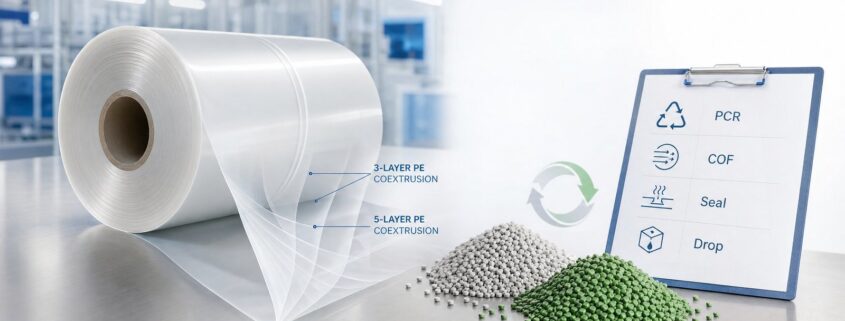
PCR FFS film roll for recyclable mono PE industrial packaging with application testing checklist

How to Choose PCR Content for Mono PE FFS Film: Why Up to 30% Needs Application Testing

PCR FFS film is becoming an important material choice for brands, industrial packers, and packaging engineers preparing for recyclable packaging expectations in Europe. A mono PE structure can support a more recycling-oriented design, while post-consumer recycled content helps reduce reliance on virgin plastic. However, the phrase “up to 30% PCR” should not be treated as a fixed number for every bag, every product, or every form-fill-seal line. In real production, PCR content must be selected through application testing.

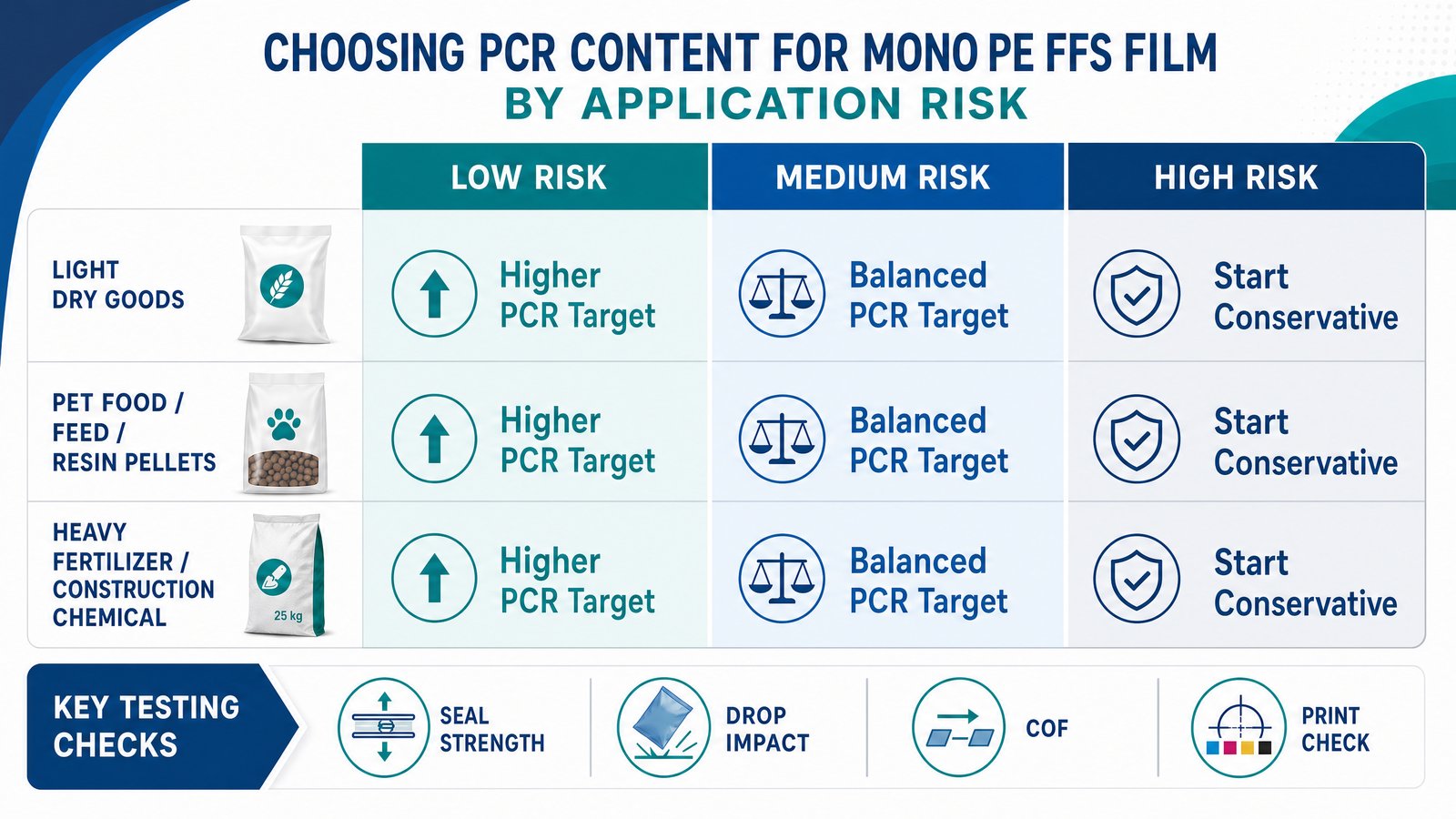
PCR FFS film application testing matrix for different bag weights and product risks

Adsure’s EU Recyclable Mono PE FFS Film with up to 30% PCR Content is designed for vertical and horizontal form-fill-seal packaging lines, with customizable COF, film thickness, roll width, sealing layer formulation, printing, and a 3-layer PE co-extrusion structure. The purpose of this article is to explain how buyers should evaluate PCR percentage before ordering, and why sample testing is the safest path for heavy-duty packaging, printed packaging, and European-market projects.

Why PCR FFS Film Is Not a One-Number Specification

A realistic PCR target depends on the filling product, bag weight, drop height, film thickness, pigment, ink coverage, sealing temperature, and machine speed. A 5 kg pet food pack and a 50 kg fertilizer sack may both use mono PE FFS film, but they do not have the same mechanical risk. The lighter pack may focus on appearance, printing, and barcode readability, while the heavier sack may need stronger puncture resistance, higher dart impact, and reinforced sealing performance.

Specification factor Why it affects PCR percentage Practical buyer question
Filling weight Heavier bags place more stress on seals, corners, and palletized loads. Will the bag survive 25 kg or 50 kg filling and handling?
Product shape Sharp granules and powders with hard particles increase puncture risk. Is the product fertilizer, resin, feed, salt, or powder?
Printing coverage Heavy ink coverage can affect recyclability, appearance, and process control. Is the pack plain, white, tinted, matte, or heavily printed?
Machine speed Faster FFS lines need stable unwinding, tracking, and heat-sealing windows. What are the VFFS or HFFS speed and sealing parameters?
PCR source quality PCR consistency influences gels, odor, color variation, and mechanical stability. Has the PCR resin been qualified for this structure?

What “Up to 30% PCR” Means in Mono PE FFS Film

“Up to 30% PCR” means the film can be engineered with post-consumer recycled PE content reaching 30% when the application, thickness, color, printing, and performance requirements allow it. It does not mean every specification should automatically use 30% PCR without validation. This distinction is important for honest sustainability communication and for reducing packaging failure risk.

For many non-food-contact industrial applications, 30% PCR can be a practical target when the recycled material is placed in the core layer and protected by optimized outer and inner layers. Adsure uses a 3-layer PE co-extrusion structure, where the core layer can carry PCR content, the outer layer supports strength and printability, and the inner sealant layer is adjusted for low seal initiation temperature and seal integrity. This three-layer design can be customized for 5 kg to 50 kg applications through thickness, resin selection, COF control, and application testing.

How to Select PCR FFS Film by Application Risk

A practical way to choose PCR FFS film is to classify the application by packaging risk. Low-risk applications may be able to start near the upper PCR target earlier, while high-risk applications should begin with a more conservative formulation and then increase PCR content after testing.

Application risk level Typical products Suggested development direction Testing emphasis
Lower risk Light dry goods and small consumer-size packs Evaluate higher PCR targets earlier if appearance requirements allow. Seal appearance, print quality, film tracking, basic drop testing.
Medium risk Pet food, animal feed, rice, flour, salt, resin pellets Balance PCR content with puncture resistance and controlled COF. Dart impact, tear resistance, seal strength, line trial.
Higher risk Fertilizer, construction chemicals, tile adhesive, heavy powders, 25–50 kg sacks Use a reinforced 3-layer PE co-extrusion design and validate before mass production. Drop impact, hot tack, creep resistance, pallet stability, shipping simulation.

Why PCR Content Affects Strength, Sealing, and Appearance

PCR FFS film must satisfy both sustainability and performance requirements. Depending on the source and grade, PCR resin can introduce variation in melt flow, color, odor, gels, and mechanical properties. These variables do not automatically make PCR unsuitable, but they do require supplier control and application testing.

From a mechanical perspective, heavy-duty packaging usually needs tensile strength, dart impact resistance, tear resistance, and puncture resistance. If the PCR percentage is increased too quickly without adjusting the structure, the film may lose safety margin during filling, stacking, or transport. From a sealing perspective, the inner layer must still create reliable seals under the customer’s dwell time, jaw pressure, and sealing temperature. A low-SIT sealing formulation can help improve sealing reliability, especially on high-speed packaging lines.

PCR FFS Film Testing Checklist Before Bulk Production

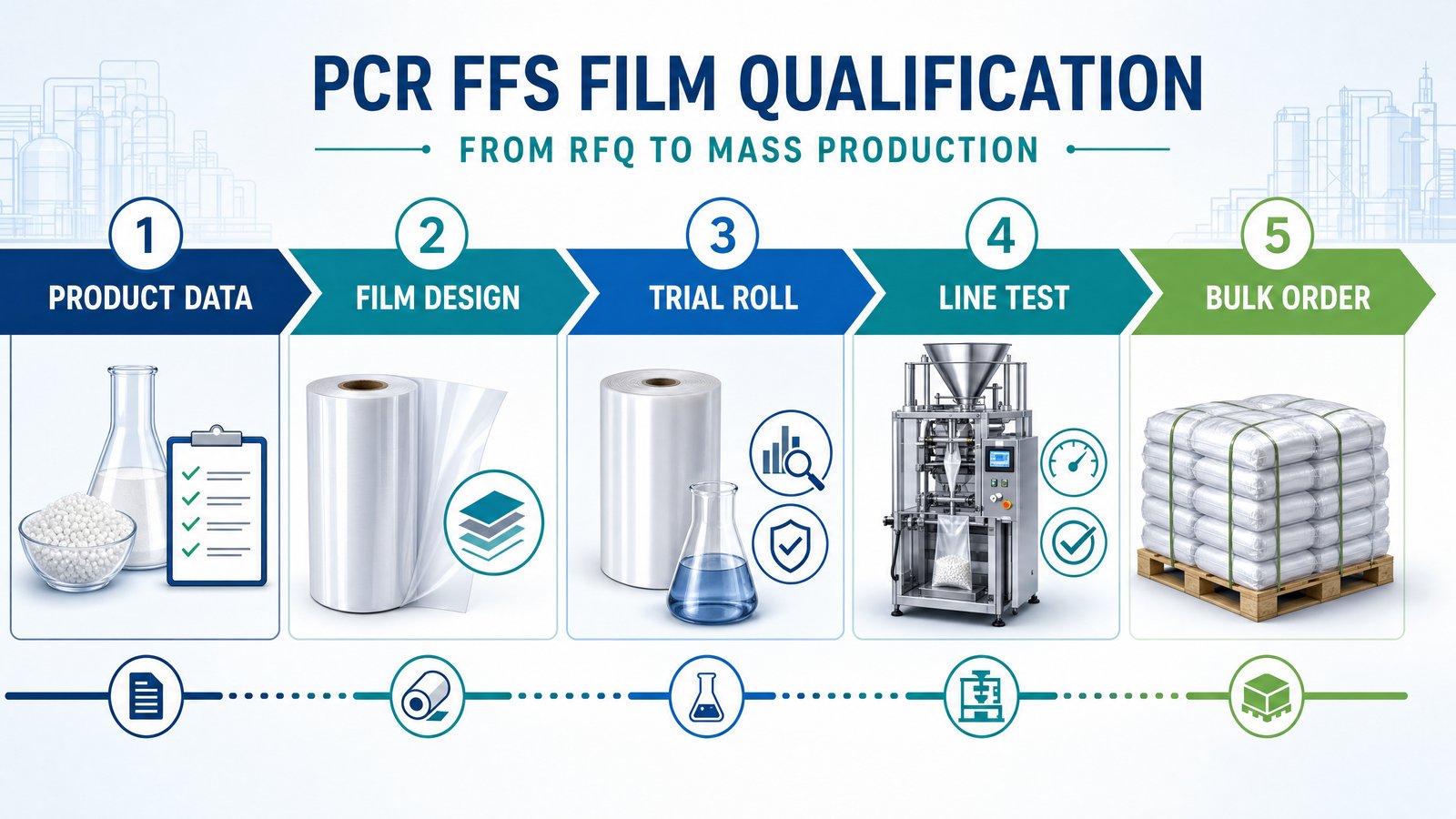
Before placing a bulk order, buyers should request a trial roll or sample structure and test it on the actual production line. Lab data is useful, but FFS packaging is a process. Film behavior on forming shoulders, rollers, sealing jaws, filling stations, and pallets must be confirmed under real operating conditions.

Test item What it verifies Why it matters for PCR FFS film
COF test Film-to-metal and film-to-film friction behavior. Supports smooth unwinding, tracking, and fewer film jams.
Gauge tolerance Consistency of film thickness across the roll. Helps maintain stable roll tension and bag forming.
Seal strength Final seal integrity after cooling. Prevents leaks, open seals, and product loss.
Hot tack Seal strength before the seal fully cools. Critical when product drops immediately after sealing.
Dart impact Resistance to sudden impact. Important for heavy products and rough handling.
Drop test Finished bag performance under handling stress. Validates the full package, not only the film sample.

How Layer Structure Helps Balance PCR and Performance

Adsure’s PCR FFS film uses a three-layer structure that separates the main functions across the film. In this 3-layer PE co-extrusion structure, the outer layer can support stiffness, printability, and surface treatment; the core layer can carry PCR content; and the inner layer can provide sealing performance.

This structure-based design is especially important for 25 kg to 50 kg industrial bags. If the product is abrasive or dense, the three-layer PE structure should be reinforced through thickness, resin selection, PCR placement, sealing-layer optimization, and application testing. If the application is lighter, the same three-layer structure may be optimized for cost efficiency and machineability. In all cases, the target PCR percentage should be confirmed through film testing and line trials.

PCR FFS film qualification workflow from RFQ to trial roll testing and mass production

How Buyers Should Prepare an RFQ for PCR FFS Film

The best way to get a reliable recommendation is to provide complete packaging and machine information at the RFQ stage. Without these details, a supplier can only estimate the PCR percentage. With the right details, the supplier can recommend the film structure, thickness, roll width, roll diameter, core size, COF target, sealing layer, printing method, and testing plan.

RFQ information Why Adsure needs it
Filling product and product photo Identifies puncture, dust, abrasion, and contamination risks.
Packing weight and bag dimensions Determines film thickness, structure, and load-bearing needs.
VFFS or HFFS machine brand and model Helps match roll width, forming collar, tension, and sealing settings.
Current film thickness and structure Provides a baseline for conversion to mono PE and PCR content.
Target PCR percentage Allows Adsure to propose a realistic test path, not only a claim.
Printing artwork and destination market Affects surface treatment, barcode readability, appearance, and EU-market documentation.

Conclusion: Choose PCR FFS Film by Evidence, Not Assumption

PCR FFS film is a practical route for brands and industrial packers that want recyclable mono PE packaging with recycled-content potential. But the right PCR percentage is not determined by a marketing target alone. It must be validated against product weight, puncture risk, seal performance, machine compatibility, printing, color, and shipping conditions.

For buyers converting from standard FFS film or PA/PE laminate structures, Adsure recommends starting with a technical review, then moving to sample development and trial roll testing. If your project requires a recyclable mono PE structure with up to 30% PCR content, contact Adsure to discuss your application, machine model, packing weight, and destination market.

Request a PCR FFS Film Trial Roll »

FAQ: PCR FFS Film Selection

Can every mono PE FFS film use 30% PCR?

No. A mono PE FFS film can be designed with up to 30% PCR when the application, thickness, product weight, printing, color, and performance requirements allow it. Heavy-duty bags, abrasive products, or high-speed FFS lines may need a phased test plan before reaching the highest PCR target.

Does PCR content reduce FFS film strength?

PCR content can affect strength depending on resin quality, percentage, and layer placement. A well-designed PCR FFS film can balance recycled content with puncture resistance, dart impact, and seal performance by using controlled PCR in the core layer and optimized PE layers where needed.

Is PCR FFS film suitable for 25 kg to 50 kg bags?

Yes, it can be suitable for 25 kg to 50 kg applications, but testing is essential. For fertilizer, feed, resin pellets, building materials, and heavy powders, Adsure recommends validating structure, thickness, sealing, drop impact, and pallet stability before bulk production.

Reviewed by: Adsure Packaging Technical Team

Trademark Disclaimer: Autobag®, SidePouch®, and FAS SPRint Revolution™ are trademarks of Automated Packaging Systems, Inc. (a Sealed Air company). Adsure Packaging is not affiliated with, endorsed by, or authorized by Sealed Air Corporation or Automated Packaging Systems. All compatible products are independently manufactured by Adsure Packaging.

Auto Pre-Opened Bags on Rolls Blog Cover

Maximizing Efficiency with Auto Pre-Opened Bags on Rolls: A Complete Guide for Automated Packaging

TL;DR: Auto pre-opened bags on rolls are pre-separated, machine-ready bags designed for automated bagging systems. They reduce labour by up to 50%, minimise jams, and are compatible with leading Autobag®-style machines across e-commerce, food, and industrial sectors.

Auto pre-opened bags on rolls are transforming modern manufacturing lines worldwide. In the fast-paced world of production, efficiency isn’t just an advantage — it’s a necessity. As businesses scale, manual bagging often becomes a bottleneck, leading to increased labor costs and slower fulfillment times. This is where auto pre-opened bags come into play. Designed specifically for high-speed, automated packaging systems, these bags are the secret to streamlining your production line, cutting packaging costs by up to 50%, and ensuring consistent, professional results.

What Are Auto Pre-Opened Bags on a Roll?

Auto pre-opened bags on a roll are continuous rolls of plastic bags where each bag is pre-opened on one side and separated by a precise perforation line. This unique design allows for rapid, easy loading on automated bagging machines. Unlike traditional loose bags, these rolls feed seamlessly into equipment: the machine blows air to open the bag, waits for the product to be inserted, then heat-seals it — all in as little as 1–2 seconds per bag, enabling throughputs of 30–60 bags per minute.

According to industry benchmarks published by the Flexible Packaging Association (FPA), automation in flexible packaging can reduce manual labor requirements by up to 50% while maintaining high precision in sealing and labeling — a key reason manufacturers are switching from manual fill-and-seal to pre-opened roll bagging.

Seamless Compatibility with Major Autobag®ger Machines

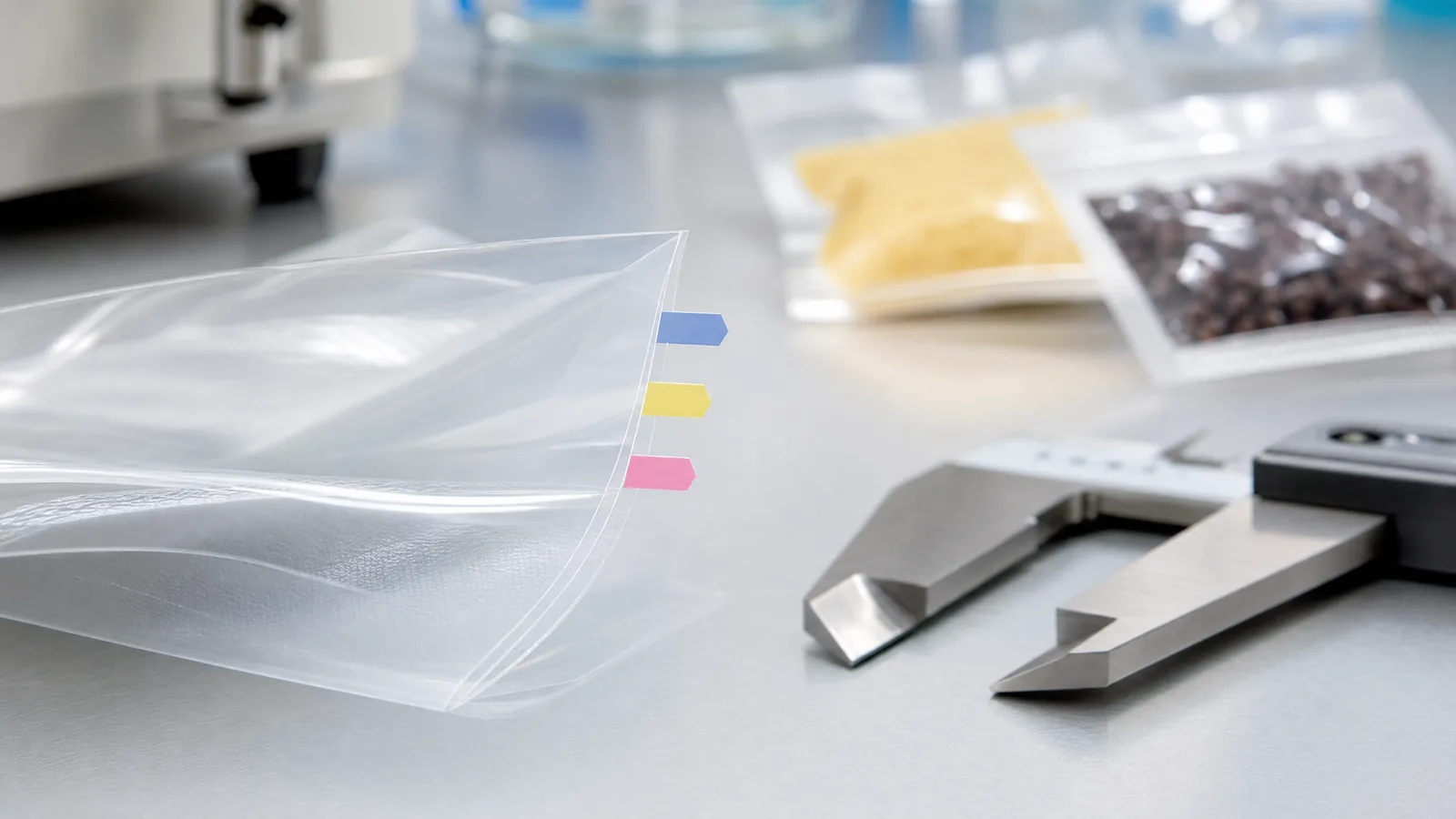
Adsure auto pre-opened bags compatible with Autobag®, Sharp Packaging and Pregis automatic bagging machines

One of the most common questions we receive is: “Are your auto bags compatible with my existing equipment?” The answer is a resounding yes. Adsure’s Auto Pre-Opened Bags are engineered to be fully compatible with most major automated bagging machines on the market, including:

  • Autobag® systems (e.g., AB 180, AB 255, PaceSetter PS 125)
  • Sharp Packaging machines (e.g., Max and MaxPro series)
  • Pregis automated systems
  • APS AutoBagger and other compatible OEM equipment

This universal compatibility means you can switch to Adsure’s high-quality auto pre-opened bags without investing in new machinery or undergoing complex re-configurations. Our bags feature a standard 3-inch paper core diameter, the industry benchmark for seamless integration.

Auto Pre-Opened Bag Features That Drive Performance

To truly optimize your packaging line, it’s important to understand the technical parameters that make auto pre-opened bags “high-performance”. At Adsure, our auto pre-opened bags are engineered around four critical performance factors:

1. Material Versatility

Depending on your product, you can choose from LDPE, HDPE, or various co-extruded films in 1.5 mil, 2 mil, 3 mil, or 4 mil thicknesses. For electronics, our ESD and antistatic pre-opened bags protect sensitive components; for metal parts, our VCI films prevent corrosion for up to 24 months.

2. Perforation Lines

Each bag is separated by a precise perforation line, ensuring clean and consistent tearing during the automated cycle — a small detail that prevents costly downtime on high-speed lines. Learn more in our guide to perforation and tear-notch optimization.

3. Vent Holes & Suffocation Warnings

To prevent “ballooning” and ensure a snug fit, we can add custom vent holes that allow air to escape after sealing. For retail and apparel, we also print suffocation warnings compliant with U.S., EU, and AU regulations.

4. Custom Printing

We offer high-quality graphics with up to 10 colors, allowing you to print logos, barcodes, UV eye-marks, and regulatory information directly on the bag — turning every package into a branded touchpoint.

“The transition from manual bagging to automated pre-opened rolls was the single biggest factor in doubling our daily output.” — Testimonial from a leading electronics distributor

Watch Our Autobag®ger Bags in Action

See how Adsure’s pre-opened bags perform on real high-speed automatic bagging machines:

Why Choose Adsure Auto Pre-Opened Bags for Your Packaging Line?

Infographic summarizing 50% labor reduction, 3-inch core, up to 60 bags per minute throughput, and FDA/USDA/GRS compliance of Adsure pre-opened bags

As a trusted manufacturer with over 20 years of flexible packaging experience, Adsure Packaging doesn’t just provide bags — we provide turnkey automated packaging solutions. Our products are made from food-grade, virgin resins and comply with FDA 21 CFR and USDA regulations, making them safe for applications from medical devices to food contact.

For sustainability-focused businesses, we also offer options certified to the Global Recycled Standard (GRS 4.0), along with BPI-, TÜV Austria-, and DIN CERTCO-certified compostable and biodegradable auto bags. Explore our full certifications and patents to verify compliance for your target market.

Automated Bagging at a Glance

Feature Specification Benefit
Core Size Standard 3-inch Fits 95%+ of industrial autobaggers
Material LDPE / HDPE / VCI / ESD / Kraft / Compostable Tailored protection for any product
Thickness 1.5–4 mil From light retail items to heavy industrial parts
Printing Up to 10 colors Enhanced branding and traceability
Throughput 30–60 bags/min Up to 50% labor cost reduction
Compliance FDA / USDA / GRS / BPI / TÜV Global market readiness

Frequently Asked Questions (FAQ)

What is the best material for my specific product application?

The choice of material depends on your product’s needs. LDPE offers excellent clarity and flexibility for apparel and retail; HDPE provides superior strength for heavier parts; ESD and VCI films are ideal for electronics and metal components. Most applications use 2–3 mil thickness.

Are Adsure auto bags compatible with Autobag® and Sharp Packaging machines?

Yes. Our pre-opened bags on rolls are manufactured to the standard 3-inch core specification and are fully compatible with Autobag® (AB 180, AB 255, PaceSetter series), Sharp Packaging (Max/MaxPro), Pregis, and most other OEM autobaggers — no machine modifications required.

How do I get a quote for custom-sized or printed auto bags?

Share your required dimensions, material, mil thickness, print artwork, and target quantity with our sales team. We typically respond with a no-obligation custom quote within 24 business hours and can produce samples in 7–10 days.

Are your pre-opened bags on a roll FDA-approved for food contact?

Yes. Adsure’s auto bags are manufactured using food-grade, virgin resins compliant with FDA 21 CFR 177.1520 and USDA regulations, ensuring products remain safe and uncontaminated throughout packaging and distribution.

Do you offer sustainable or compostable autobagger bags?

Absolutely. We offer GRS 4.0-certified recycled, BPI- and TÜV Austria-certified compostable, and biodegradable pre-opened bag options — all engineered to run on the same automated equipment as conventional LDPE bags.

Ready to Upgrade Your Packaging Efficiency?

Don’t let manual processes hold your business back. Adsure’s auto pre-opened bags deliver the reliability, compatibility, and measurable performance gains you need to stay competitive.

Get a Free Quote Today »

Prefer to talk to a specialist first? Schedule a consultation with our packaging engineers — we’ll help you select the right material, mil thickness, and machine configuration for your line.


Trademark Disclaimer: Autobag®, SidePouch®, and FAS SPRint Revolution™ are trademarks of Automated Packaging Systems, Inc. (a Sealed Air company). Adsure Packaging is not affiliated with, endorsed by, or authorized by Sealed Air Corporation or Automated Packaging Systems. All compatible products are independently manufactured by Adsure Packaging.


Reviewed by: Adsure Packaging Technical Team — 20+ years of flexible packaging engineering, ISO 9001-certified manufacturing.