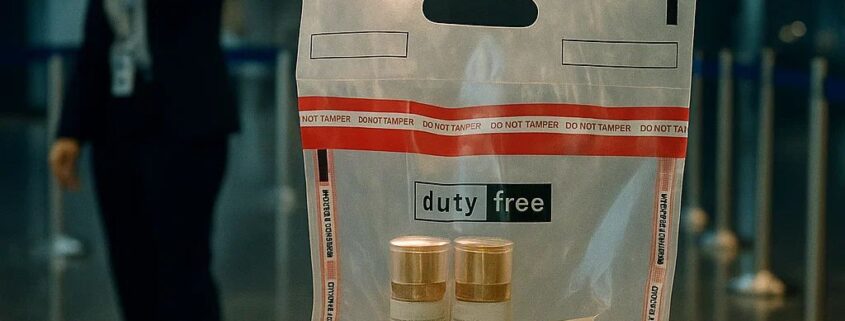
duty-free bag

ICAO STEBs Guide: Secure Duty-Free Liquids for Airport Transfers

ICAO STEBs Guide: Secure Duty-Free Liquids for Airport Transfers

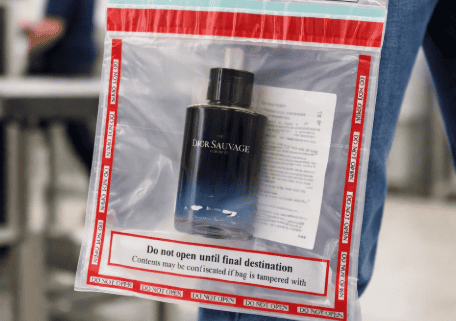
ICAO STEBs are specialized Security Tamper-Evident Bags designed for the aviation security chain, especially for liquids, aerosols, and gels purchased at airport duty-free shops or on board aircraft. Unlike a standard retail shopping bag, an ICAO STEB combines transparent film, high-security tamper-evident closure, traceable identification, and receipt visibility so transfer passengers can move through international connections with a clearer chain of custody for duty-free LAGs. According to ICAO, STEBs were developed to support an exemption from volumetric controls for LAGs bought at airport retailers or on board aircraft and carried by transfer passengers.1

For airport retailers, airlines, duty-free operators, and travel retail procurement teams, the practical question is not simply whether a bag can carry a bottle. The real question is whether the bag helps security staff verify origin, detect tampering, inspect the receipt, and maintain a controlled supply chain. This guide explains how ICAO STEBs work, which security features buyers should evaluate, and why choosing a listed manufacturer matters for reliable aviation retail operations.

ICAO explains that security tamper-evident bags were developed to allow an exemption to volumetric controls for liquids purchased at airport retailers or on board aircraft and carried by transfer passengers.1

What Are ICAO STEBs?

ICAO STEBs stands for International Civil Aviation Organization Security Tamper-Evident Bags. In day-to-day procurement language, they are also called duty-free security bags, airport LAGs bags, secure tamper-evident bags, or aviation security bags. Their purpose is to protect transfer LAGs, meaning liquids, aerosols, and gels that passengers buy during international travel and may need to carry through a connecting airport.

ICAO’s LAGs definition is broad. It includes water and other drinks, soups, syrups, jams, sauces, foods with high liquid content, creams, lotions, cosmetics, oils, perfumes, sprays, gels, pressurized containers, pastes, liquid-solid mixtures, mascara, lip gloss, lip balm, and other items of similar consistency at room temperature.1 TSA similarly applies its liquids, aerosols, and gels rule to liquids, aerosols, gels, creams, and pastes in carry-on baggage, with the familiar 3.4 oz / 100 ml limit for ordinary carry-on containers.2

Packaging Type Primary Purpose Typical Security Features Best Use Case
Standard duty-free shopping bag Convenient retail carrying Usually no high-security closure or traceable identifier Non-transfer goods or ordinary retail carrying
Low-level security bag Basic tamper indication Simple adhesive closure or basic tear evidence Local retail uses where aviation transfer controls are not required
ICAO STEBs Secure transfer of duty-free LAGs Transparent PE film, high-security tamper-evident tape, serial number, barcode, state/manufacturer code, visible receipt pocket International airport duty-free LAGs and airline onboard retail

The distinction matters because not every bag marketed as “security packaging” is suitable for international transfer LAGs. ICAO STEBs must be designed around aviation screening, supply-chain control, and visual inspection. For procurement teams, that means the specification should be evaluated before price comparison begins.

Why ICAO STEBs Matter for Duty-Free Transfers

The modern LAGs control environment was shaped by aviation security risks involving liquid explosives. ICAO notes that volumetric controls for LAGs were developed after the 2006 plot to sabotage aircraft by assembling an improvised explosive device using hazardous ingredients carried in seemingly ordinary LAGs.1 Until efficient and widely adoptable detection technology can replace current restrictions, ICAO states that LAGs security controls should remain in effect and be universally implemented by Member States.1

For passengers, this security framework affects whether duty-free purchases can pass through a connecting checkpoint. TSA states that, for inbound international flights with a connecting flight, duty-free liquids over 3.4 oz / 100 ml may be carried in secure, tamper-evident bags if the liquids were purchased internationally, packed in a transparent secure tamper-evident bag by the retailer, show no signs of tampering, and have the original receipt with a purchase made within 48 hours.2 The items must still be screened and cleared, so ICAO STEBs support inspection rather than replacing it.2

Stakeholder What They Need from ICAO STEBs Business Impact
Duty-free retailers Fast packing, visible receipt, scan-ready codes, tamper evidence Fewer checkout delays and clearer handover to passengers
Airport security teams Transparent bag, visible origin, clear tamper indication Easier inspection and harmonized staff training
Airlines Secure onboard retail packaging and passenger transfer support Better passenger experience and fewer disputes at connections
Procurement managers Listed manufacturer, stable quality, consistent numbering, correct print layout Lower compliance risk and more predictable inventory control

Key ICAO STEBs Specifications to Check Before Ordering

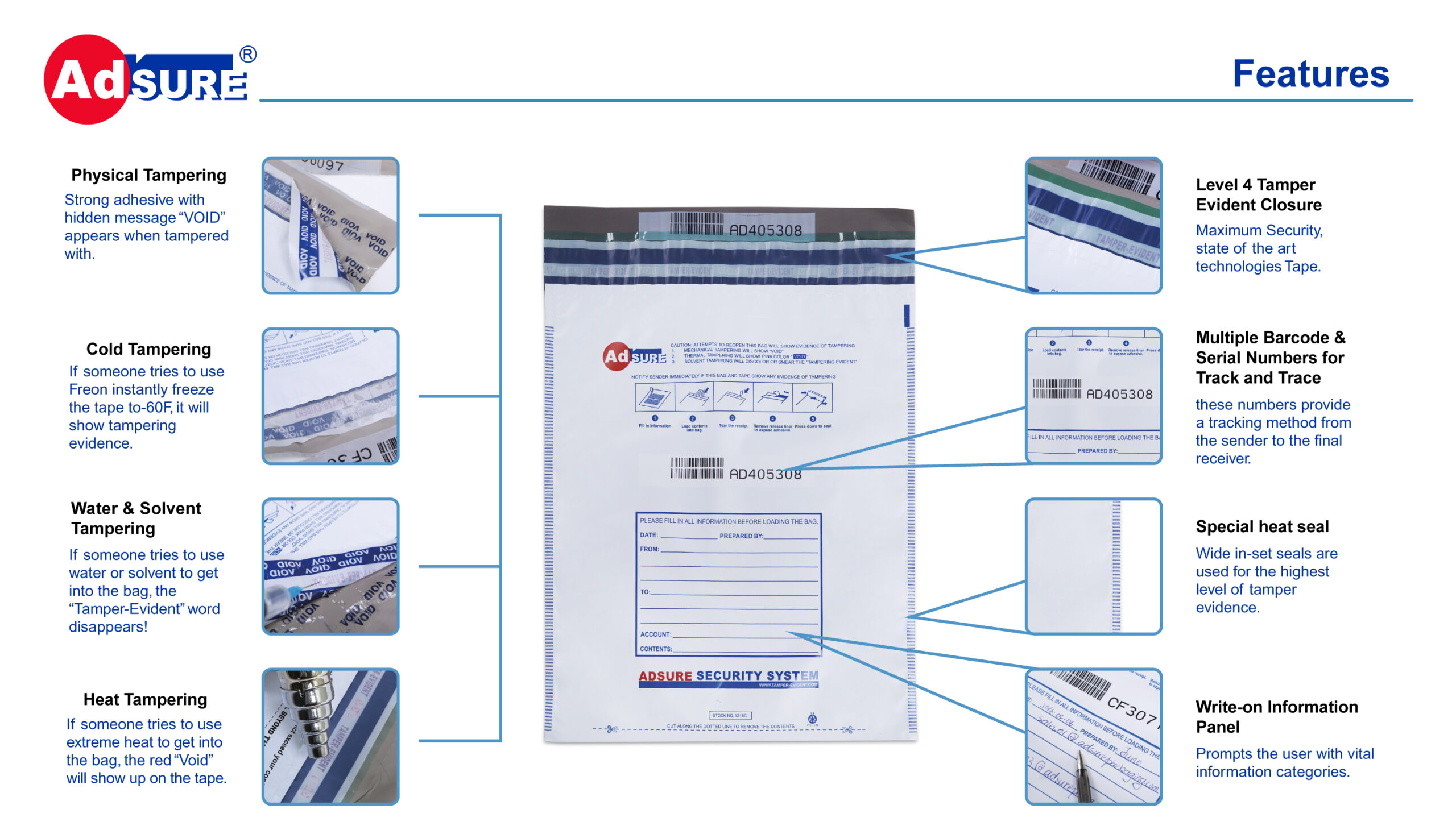
A good STEB specification should begin with visibility and tamper evidence. Transparent material helps security personnel inspect contents without opening the bag. Adsure’s standard bags use transparent co-extruded polyethylene film with customizable thickness from 50 to 100 microns, depending on size, loading requirement, and customer specification.3 For LAGs such as cosmetics, liquor bottles, perfumes, or mixed retail purchases, the film must balance clarity, puncture resistance, seal strength, and machine or manual packing efficiency.

The closure is the core security component. A high-security tamper-evident tape should react to common attack methods such as peeling, heat, cold, solvents, water, and physical force. Adsure’s product specification includes Level 4 tamper-evident security tape designed to reveal irreversible evidence when unauthorized opening is attempted.3 This matters because an effective STEB must not be easily opened and resealed without visible signs.

Identification is the second major requirement. ICAO explains that manufacturer registration supports a centralized list of STEB manufacturers, faster reporting of problems, and future enhancements related to design, production, or additional security devices.1 ICAO also states that only manufacturers, not distributors, may use their name in the State/Manufacturer box.1 In procurement terms, buyers should verify that the printed format includes the correct state code, manufacturer identification, unique numbering, and barcode format.

Specification Area What to Verify Why It Matters
Material Transparent PE film, suitable thickness, tear resistance Supports visual inspection and product protection
Closure High-security tamper-evident tape, visible irreversible message after attack Helps detect unauthorized access
Traceability Sequential serial number, barcode, optional 2D code or RFID Enables stock control and issue reporting
Receipt pocket Internal pouch that keeps receipt visible and protected Supports inspection at transfer checkpoints
Printing State code, manufacturer identity, required layout, airport or airline branding where allowed Helps determine origin and supports operational recognition
Inventory controls Scan-ready codes and controlled distribution Reduces the risk of stolen or mishandled empty bags

Known Supplier Concept for Duty-Free Security Bags

These bags are not only a physical package; they are also part of a wider aviation security system. ICAO explains that STEBs are only one component of the overall security system for LAGs, which should include measures for manufacturers, warehouses, and airport retailers.1 ICAO’s FAQ further explains that appropriate authorities and/or airport operators should approve known suppliers of LAGs and STEBs, and that distributors should take responsibility for the security supply chain.1

This concept is important because empty STEBs can become a security risk if they are stolen, resold, or mishandled. ICAO recommends inventory codes so retailers can manage STEB stock and identify whether empty bags have been stolen or misused. ICAO also recommends security devices such as unique numbering, two-dimensional barcodes, or RFID chips, while leaving the choice of technology open.1

For airport retail operators, a practical procurement checklist should therefore include both product quality and operational control. Ask how serial numbers are generated, how barcode data is supplied, whether carton labels match internal inventory systems, how unused bags are stored, and how staff are trained to identify tampering. When the process is controlled from production to point of sale, the bag becomes much more than a packaging item; it becomes a traceable security asset.

Choosing an ICAO STEBs Manufacturer: What Buyers Should Ask

When selecting a supplier, avoid vague claims and focus on documented capability. Adsure Packaging should be described as a listed manufacturer of ICAO or a listed manufacturer by ICAO, which accurately reflects ICAO listing language. Adsure’s product page states that Adsure provides duty-free sealed STEBs for international airports and duty-free shops and highlights transparent PE material, Level 4 tamper-evident tape, barcode tracking, internal receipt pouch, and custom printing options.3

Buyers should ask for production history, print layout control, quality inspection records, tamper-evident tape performance, film thickness tolerance, barcode readability, carton-level traceability, and delivery lead time. For international duty-free operations, the supplier should also understand how airport codes, state codes, airline requirements, receipt pockets, and security graphics work together in one bag design.

Buyer Question Strong Supplier Response
Can you provide STEBs with state/manufacturer code and required print layout? The supplier can confirm the correct artwork structure and manufacturer identity fields.
Can the bag include sequential numbering and barcode formats such as Code 39 or Code 128? The supplier can generate controlled sequences and deliver data files for inventory systems.
How does the closure respond to heat, cold, solvents, and force? The supplier can explain tamper-evident reactions and provide test or quality-control references.
Can size, thickness, handle, and branding be customized? The supplier can customize dimensions and print while preserving required security features.
How should stock be stored and rotated? The supplier gives clear shelf-life, storage, and FIFO recommendations for adhesive performance.

For related solutions, buyers can review Adsure’s dedicated product page and broader Airport & Airlines Applications resources. If your operation also handles cash, documents, or forensic evidence, Adsure’s tamper-evident security bags category may help standardize security packaging across departments.

Practical Applications of ICAO STEBs in Airports and Airlines

The most common use case for these bags is airport duty-free retail, especially for liquor, perfume, cosmetics, skincare, and other LAGs sold to international travelers. A correctly designed bag lets the retailer seal the purchase, place the receipt inside a visible pocket, and provide the passenger with a package that can be inspected at later checkpoints. The result is a smoother connection journey and fewer disputes over whether a bag was opened after purchase.

Airlines can also use STEBs for onboard retail when passengers may connect through another airport. In this environment, speed and simplicity matter. Cabin crew need a bag that can be sealed quickly, inspected visually, and presented clearly to passengers. Airport retailers may require additional features such as reinforced handles, large-format bags for bottles, or custom barcode integration with POS systems.

Another important application is inventory and loss prevention. Because STEBs may include unique serial numbers, barcodes, and controlled issue procedures, they help retailers monitor stock and reduce misuse. ICAO specifically highlights the importance of inventory codes in managing STEB stock and preventing stolen or mishandled empty bags.1 For high-volume duty-free shops, this traceability can support both aviation security and retail operations.

Storage, Shelf Life, and Quality Testing for ICAO STEBs

The most overlooked part of STEB procurement is storage. Tamper-evident closures rely on adhesive chemistry and layered security films, so bags should be stored in a clean, dry, climate-controlled environment away from excessive heat, freezing conditions, direct sunlight, and chemical vapors. Procurement teams should apply first-in, first-out stock rotation and avoid over-ordering if their transfer LAGs volume is seasonal.

Quality testing should focus on the real attack methods that security bags may face. A supplier should understand solvent attack, freezing, heat exposure, water exposure, peeling force, cut-and-reseal attempts, and barcode durability. Adsure’s specification references Level 4 tamper-evident security tape resistant to heat, cold, solvent, and water, which aligns with the practical need for visible evidence after attempted infiltration.3

To estimate order quantity, ICAO notes that STEBs should be used for transfer LAGs only, not all duty-free goods, and that transfer passenger percentages can range from 10% to 50%, with an average around 25% to 30%.1 This is a useful planning benchmark. Airport retailers should calculate their transfer passenger mix, LAGs sales ratio, average bag size, and seasonal demand before setting reorder points.

Recommended Image and Video Plan
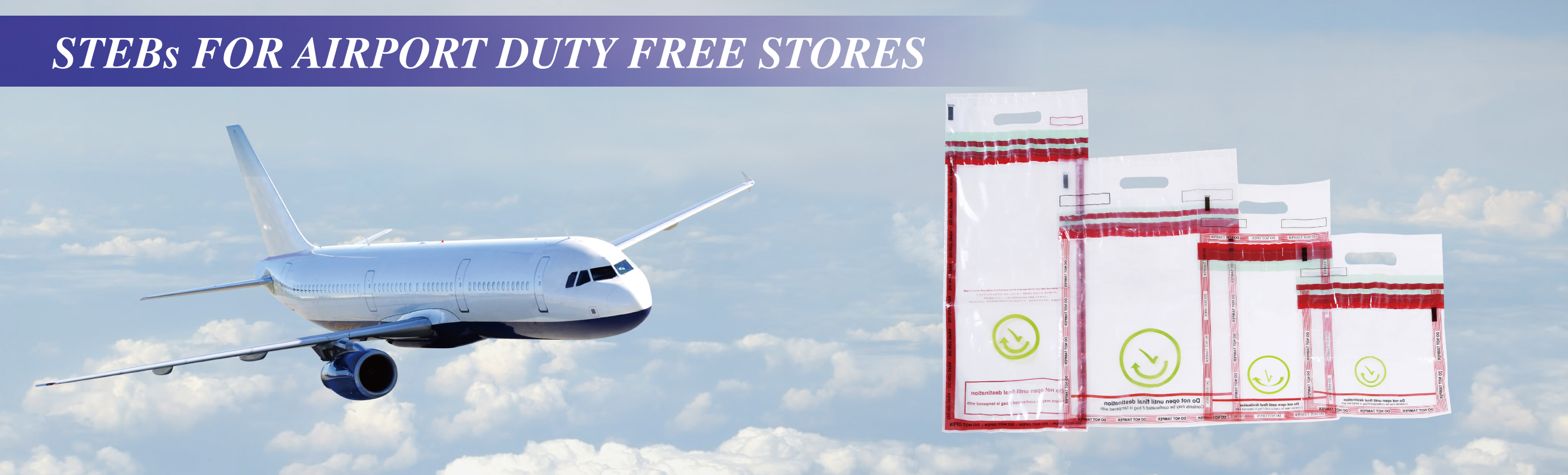
In-content illustration placeholder: diagram showing transparent PE film, Level 4 tamper-evident tape, serial number, barcode, state code, and internal receipt pouch

Conclusion: ICAO STEBs Protect Both Compliance and Passenger Experience

ICAO STEBs help connect aviation security, airport retail, airline service, and passenger convenience in one controlled packaging format. The best STEBs are transparent for inspection, strong enough for travel, clearly tamper-evident after attack, traceable through serial numbers and barcodes, and designed with a visible receipt pocket. They also come from a supplier that understands the known supplier concept, inventory control, and the correct way to describe ICAO listing.

Adsure Packaging offers customizable ICAO STEBs for duty-free shops, airport retailers, airlines, and aviation retail operators, with options for transparent PE material, high-security closure tape, sequential numbering, barcode formats, receipt pockets, and custom printing. To specify the right bag size, film thickness, barcode format, and delivery schedule for your airport or airline operation, contact Adsure Packaging for a tailored quotation.

Request a Custom ICAO STEBs Quote »

Reviewed by: Adsure Packaging Technical Team

FAQ: ICAO STEBs for Duty-Free LAGs

What is the difference between a standard duty-free bag and an ICAO STEB?

A standard duty-free bag is mainly a retail carrying bag, while an ICAO STEB is a security tamper-evident bag for transfer liquids, aerosols, and gels. ICAO STEBs include features such as transparent material, a high-security seal, visible receipt pocket, state/manufacturer identification, serial number, and barcode to support inspection and traceability.

Are all tamper-evident bags automatically suitable for duty-free LAGs?

No. A tamper-evident closure alone does not make a bag suitable for international transfer LAGs. Duty-free LAGs packaging should follow the aviation security expectations for STEBs, including transparent inspection, traceable identification, controlled supply, and receipt visibility. Buyers should verify supplier capability and avoid generic security bags when ICAO STEBs are required.

Why is manufacturer listing important for ICAO STEBs?

ICAO explains that manufacturer registration provides each manufacturer with a unique identification code and supports a centralized manufacturer list, faster issue reporting, and future security enhancements. For buyers, working with a listed manufacturer helps confirm that the STEBs are produced by a source familiar with aviation security requirements and supply-chain accountability.

Do ICAO STEBs need serial numbers and barcodes?

Yes, serial numbers and barcodes are strongly recommended for traceability and inventory control. ICAO notes that inventory codes help retailers manage STEB stock and reduce the risk of stolen or mishandled empty bags. Barcodes can also support POS scanning, stock reconciliation, and investigation if a bag is questioned during travel.

How should duty-free operators store ICAO STEBs?

Store ICAO STEBs in a clean, dry, climate-controlled area away from direct sunlight, excessive heat, freezing conditions, and chemical vapors. Because tamper-evident adhesive performance can be affected by storage conditions, procurement teams should apply first-in, first-out rotation and confirm recommended shelf life with the manufacturer before placing large orders.
References

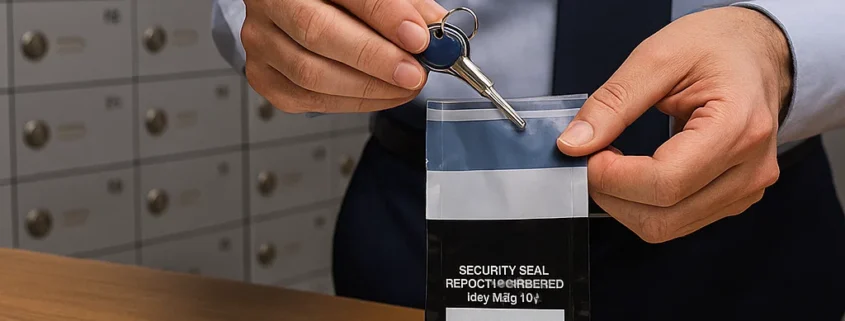
Bank employee sealing a safe deposit box key inside a tamper-evident key bag in front of vault lockers

Tamper Evident Key Bags for Secure Key Custody

Introduction: Why Key Custody Needs Visible Evidence

Tamper evident key bags are designed for a simple but important operational question: can your team prove that a key was stored, transferred, returned, or temporarily held without unauthorized access? In banks, hotels, property management offices, safe rooms, casinos, and facility security departments, a single safe deposit box key, safe key, spare key, or high-security access key may control assets far more valuable than the key itself. When that key moves between people, shifts, departments, or locations, the risk is not only loss. The larger risk is an undocumented opening, substitution, exchange, or handover dispute.

A standard envelope can hold a key, but it does not show whether the envelope was opened. A lockbox can store keys, but it does not always prove what happened during temporary custody or transfer. Tamper evident key bags add a visible inspection point to the process. Once the key is placed inside and the seal is closed, any opening attempt should leave visible evidence on the seal area. When the bag also includes a Key Bag ID, QR code area, serial number, and writable tracking fields, it becomes more than packaging. It becomes a compact custody record that supports disciplined key-control workflows.

NIST defines chain of custody as a process for tracking the movement of evidence by documenting each person who handled it, the transfer date and time, and the purpose of the transfer.1

Although that definition is written for evidence handling, the same principle applies to high-value keys. A key custody process should make every transfer identifiable, verifiable, and reviewable. For organizations that manage safe deposit box keys, master keys, spare keys, contractor keys, or restricted-area access keys, tamper evident key bags provide a practical way to connect the physical key with a written or digital record.

What Are Tamper Evident Key Bags?

Tamper evident key bags are small-format security bags made to hold one safe deposit box key, safe key, spare key, hotel master key, restricted-access key, or other high-security key. Unlike ordinary zip bags or paper envelopes, they combine a tamper-evident closure with printed identification and custody fields so staff can check both the seal condition and the handover record before accepting the key.

For a bank branch, the bag may support safe deposit box procedures, temporary key return, dual-control storage, or after-hours custody. For a hotel, it may support master key handover between shifts. For a property management office, it may support tenant unit keys, emergency access keys, contractor handover, and return verification. In each environment, the bag helps reduce ambiguity because the receiving operator can inspect the seal, match the Key Bag ID with the log, and confirm whether the written custody fields are complete.

Key Bag Element Operational Purpose Typical User Benefit
Tamper-evident seal Shows visible evidence if the bag has been opened Helps staff reject suspicious, previously opened, or undocumented keys
Key Bag ID / serial number Gives each bag a unique identity Supports logbook, spreadsheet, ERP, or QR-based tracking
QR code area Links the physical bag to a digital record Speeds up scanning, lookup, and internal audit workflows
Writable custody fields Records sender, receiver, date, time, location, and purpose Creates a simple handover record at each transfer point
Clear or opaque film option Balances visibility and confidentiality Allows quick visual confirmation or discreet storage
Compact single-key size Fits one key without unnecessary space Reduces mixing, bulk, and handover confusion

Data Context: Why Key Custody Is an Operational-Scale Issue

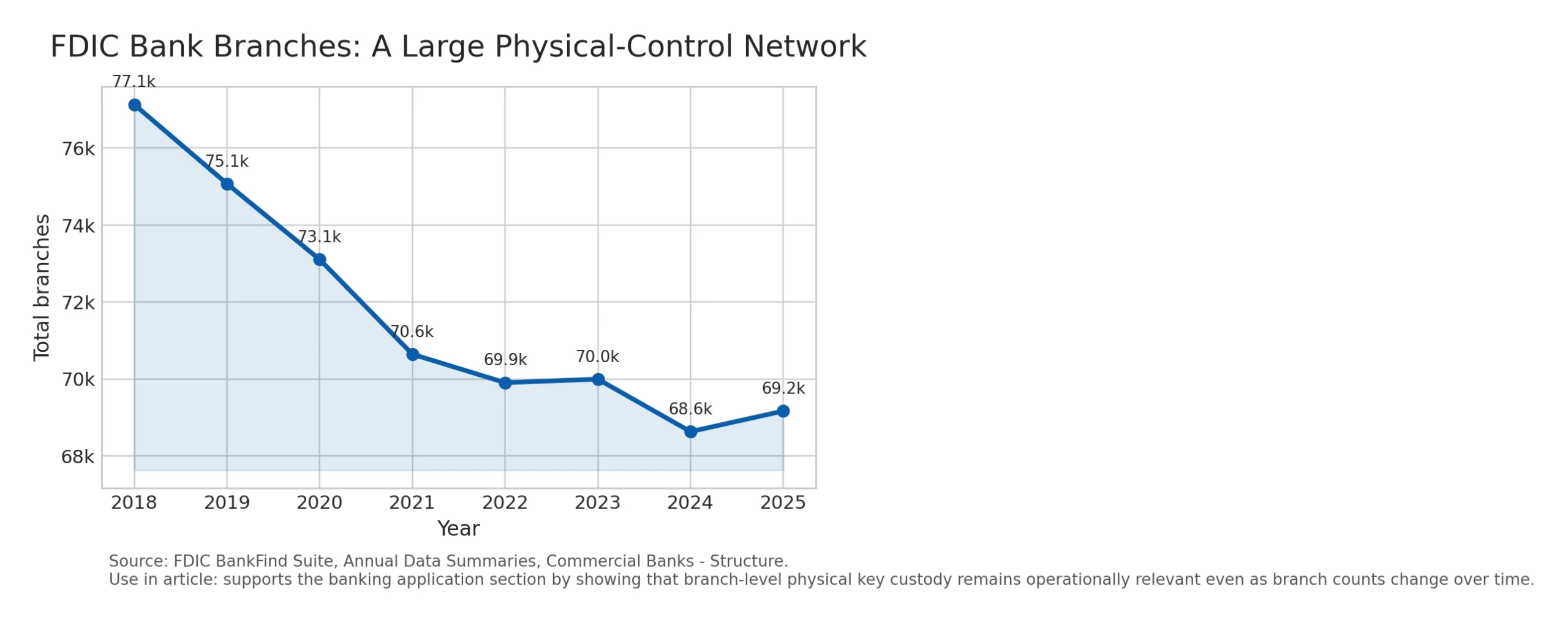
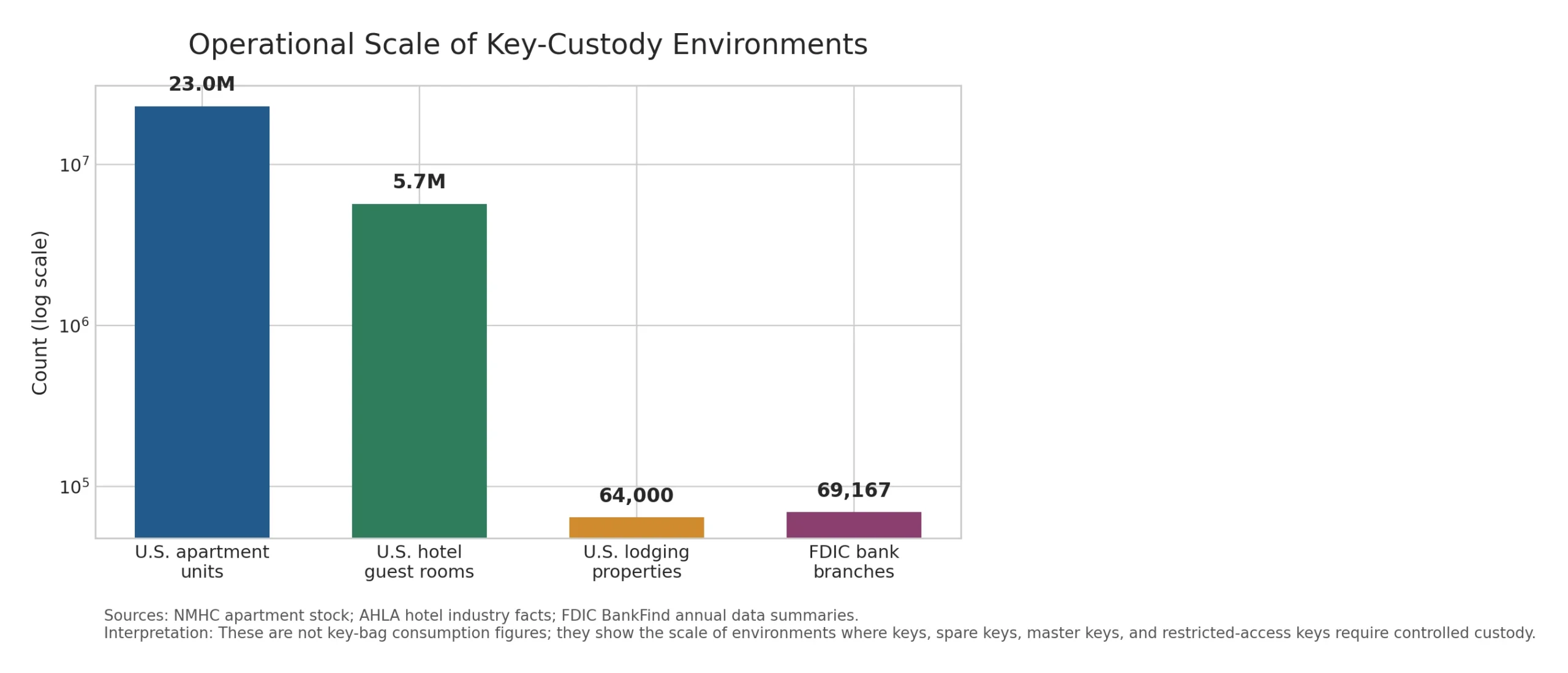
Secure key control is not only a product-design issue; it is an operational-scale issue. Hotels, multifamily properties, banks, property offices, and restricted-access facilities all manage physical keys or access credentials across repeated handover points. Public industry data helps show the size of these environments. AHLA reports more than 64,000 lodging properties and 5.7 million guest rooms in the United States, NMHC reports approximately 23 million U.S. apartment units, and FDIC annual data shows 69,167 FDIC-insured commercial bank branches in 2025.2 4

Operational Scale of Key-Custody Environments

Figure 1. Operational environments where keys, spare keys, master keys, and restricted-access keys require controlled custody. These figures show the scale of relevant environments; they are not estimated consumption figures for tamper evident key bags.

This data should be used carefully. It does not mean every hotel room, apartment unit, or bank branch uses a dedicated key bag. Instead, it demonstrates that the markets where key custody occurs are large, physical, and operationally complex. In those environments, a small key can create a major accountability issue if the organization cannot identify who handled it, when it moved, whether it was opened, and whether it was returned in the expected condition.

Why Tamper Evident Key Bags Matter for Chain-of-Custody Control

The value of tamper evident key bags is not limited to the plastic film or adhesive seal. Their value comes from the way they standardize custody behavior. The National Institute of Justice explains that chain of custody is a recorded method for verifying where an item has travelled and who handled it, with the purpose of preventing substitution, tampering, mistaken identity, damage, alteration, misplacement, or falsification.5

In many facilities, key movement is still managed through paper logs, verbal handovers, shared drawers, or informal lockbox routines. These methods may record who took a key, but they do not always show whether the key was accessed during storage or transfer. Tamper evident key bags add a visible inspection point. Before accepting custody, the receiver can inspect the seal, compare the Key Bag ID with the record, check the written fields, and confirm whether the return status is acceptable.

This is especially important when a key crosses shifts or departments. A hotel night manager may receive a master key from the evening shift. A bank operations officer may temporarily hold a safe deposit box key for a controlled procedure. A property office may release an emergency access key to a contractor and require return at the end of the job. In each case, a sealed key bag creates a practical checkpoint between simple possession and verified custody.

Tamper Evident Key Bags for Banks and Safe Deposit Box Operations

Banks already use tamper-evident security bags for cash, deposits, checks, and asset transfer. Adsure’s banking application page describes tamper-evident bags as a way to protect valuable assets in banking and financial institutions, particularly where secure transfer and deposit workflows matter.6 Tamper evident key bags extend the same logic to keys.

A safe deposit box key, vault support key, spare branch key, or restricted-room key may move through several stages: issuance, temporary custody, return, storage, and audit. If each stage uses the same bag ID and custody fields, branch staff can reconcile physical keys against a log more efficiently. If the seal is broken, the receiving employee does not need to guess whether the key was accessed; the bag itself becomes the first visible warning.

For banking and financial institutions, physical branch networks still create repeated custody points for safe keys, restricted-room keys, spare keys, and temporary access keys. FDIC BankFind annual data shows that FDIC-insured commercial bank branches declined from 77,134 in 2018 to 69,167 in 2025, but the network remains large enough to make branch-level physical key custody an ongoing operational need.4

FDIC Bank Branch Trend

Figure 2. FDIC-insured commercial bank branches remain a large physical-control network. Tamper evident key bags support branch-level custody workflows by making individual key transfers easier to identify, document, and verify.

For higher-risk banking environments, buyers can request features such as sequential numbering, barcode or QR code tracking, dual signatures, branch code printing, and color-coded bags for different key types. The result is a practical physical workflow that supports internal controls without requiring staff to adopt a complicated new system.

Tamper Evident Key Bags for Hotels, Property Offices, and Safe Rooms

Hotels and property management offices face a different but equally important key-control problem. The number of keys can be large, the handover points can be frequent, and the people involved may include reception staff, security personnel, maintenance teams, cleaners, contractors, tenants, and external service providers. In this environment, tamper evident key bags help create a clear distinction between a key that is merely “in the office” and a key that is sealed, identified, and assigned to a documented custody event.

For hotels, the bags can be used for master key shift handover, lost-and-found safe keys, emergency room access keys, or controlled contractor access. For property management, they can be used for unit turnover, maintenance access, tenant spare keys, and restricted equipment-room keys. For safe-room environments, each bag can be logged before and after access, reducing disputes about whether a key was exchanged, opened, or returned in the same condition.

The workflow is intentionally simple. Place one key into one bag. Record the Key Bag ID, key description, sender, receiver, date, time, location, and purpose. Seal the bag. At return, inspect the seal and record the receiving details. This small process can significantly improve accountability because every key movement becomes a visible event rather than an informal exchange.

Recommended Design for Tamper Evident Key Bags

A good key custody bag should be designed around the workflow, not only around the object inside. Since the bag normally holds one key, the format can remain compact, but the print layout should provide enough space for verification and audit. Adsure’s broader tamper-evident security bag range supports security levels, QR codes, barcodes, sequential numbering, customized printing, and chain-of-custody traceability.7

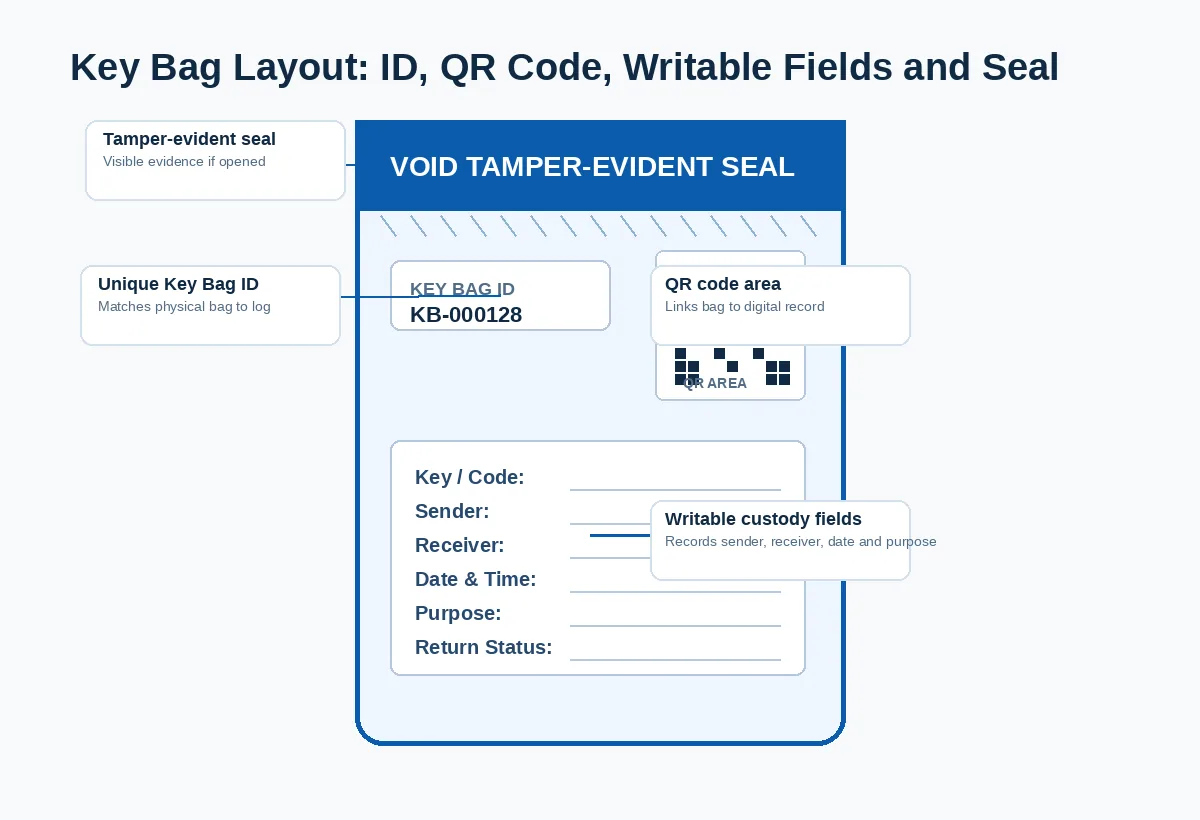
For a key bag sample, the most useful design is usually a single-key pouch with a secure seal at the top, a dedicated Key Bag ID area, a QR code area, and a writable tracking table. If the key must be visually confirmed without opening the bag, a clear front film is appropriate. If confidentiality is more important, an opaque or semi-opaque film can help conceal key shape and labeling. For premium access-control workflows, customers may also request barcode numbering, detachable receipts, or dual-record layouts.

Key bag ID, QR code area, writable fields, and tamper evident seal

Design Decision Recommended Option Reason
Bag size Small single-key format Keeps each key isolated and prevents mixed custody
Seal style VOID or multi-layer tamper-evident adhesive Makes unauthorized opening easier to detect
Tracking print Key Bag ID, QR code, custody fields Connects physical control with written or digital records
Film type Clear, opaque, or custom-color PE Matches visibility, confidentiality, and branding needs
Numbering Sequential serial number, barcode, or QR code Supports inventory control and reconciliation
Writable surface Pen-friendly matte write-on panel Makes handover records practical at a counter, desk, or branch office

How to Build a Key Bag Handover Workflow

A tamper-evident bag works best when it is paired with a written procedure. The procedure does not need to be complex, but it should define who can seal a key, who can accept it, what must be written on the bag, what must be recorded in the log, and what to do if the seal is damaged.

Workflow Step Staff Action Verification Point
1. Prepare the bag Select a new unused bag and record its Key Bag ID Confirm the ID is unique and unused
2. Insert the key Place only one key or one clearly defined key set inside Avoid mixed-key custody
3. Complete fields Write key name/code, sender, receiver, date, time, and purpose Ensure fields match the log record
4. Seal the bag Close the tamper-evident seal according to instructions Check that the seal is fully bonded
5. Transfer custody Receiver inspects seal and signs or records acceptance Confirm no visible opening evidence
6. Store or move Keep the sealed bag in the approved location Maintain restricted access
7. Return or open Inspect seal before return, then follow approved opening rules Record any exception immediately

This workflow also supports digital tools. A QR code can link to a spreadsheet, asset management system, ticket number, or internal custody form. The bag remains the physical evidence layer, while the QR code accelerates lookup and audit review.

Choosing the Right Security Level for Key Custody

Not every key requires the same security level. A low-risk spare office key may only need simple opening evidence. A safe-room key, bank vault support key, master key, or high-security access key may require stronger film, higher-level tamper indication, serialized tracking, and stricter custody fields. Adsure’s security bag page describes customizable levels from Level 0 to Level 5, including options for different tamper-detection needs and tracking configurations.7

For most key custody applications, buyers should begin by mapping the risk of the key rather than the size of the key. The key may be physically small, but its access value may be very high. A safe deposit box key, safe key, or master access key should be treated as an access-control asset. That means the chosen bag should make opening evidence visible, make the bag identity unique, and make the handover record easy to complete.

Key Risk Level Example Key Type Recommended Bag Features
Low Spare office key or cabinet key Basic tamper-evident seal, writable field, simple ID
Medium Hotel department key or maintenance access key Unique Key Bag ID, QR code area, return-status field, staff ID field
High Safe deposit box key, safe key, master key, safe-room key Stronger tamper-evident seal, serial numbering, barcode/QR code, dual signature fields, branch or location code

Customization Options for Adsure Key Bag Samples

Adsure can position tamper evident key bags as a custom extension of its security bag capability. The same product family supports customizable security levels, barcode and QR code printing, sequential numbering, and branding features.7 For this sample, the recommended customization package should focus on operational clarity.

A practical specification would include a compact PE bag, a high-visibility tamper-evident seal, a unique Key Bag ID, a QR code area, a writable tracking panel, and optional color coding. For banks, the print can include branch code, safe deposit box key category, dual-control signature lines, and return verification fields. For hotels, it can include department, room range, staff ID, shift, and emergency access purpose. For property management offices, it can include property name, unit number, contractor name, work order number, issue date, return date, and receiver signature.

To support ordering, the artwork should keep the most important fields easy to read. A strong layout normally includes a bold Key Bag ID area at the top, a QR code box near the ID field, a large write-on panel in the center, and a clear opening-instruction or inspection message near the seal. This makes the bag easier for staff to use correctly during busy handovers.

Conclusion: Make Every Key Transfer Verifiable

Tamper evident key bags offer a practical way to strengthen secure key storage, handover, temporary custody, and return procedures. They do not replace a key control policy, staff training, or access authorization, but they make each custody event more visible and easier to verify. For banks, hotels, property management offices, and safe-room environments, that visible evidence can reduce disputes, discourage informal handling, and improve audit readiness.

If your organization needs a compact bag for one safe deposit box key, safe key, spare key, or high-security access key, Adsure can customize the size, seal level, Key Bag ID, QR code area, writable fields, barcode, numbering, and printed instructions. Contact Adsure to request a custom tamper evident key bags sample for your key custody workflow.

Request a custom security bag sample from Adsure »

Get a Free Quote Today »

Reviewed by: Adsure Packaging Technical Team

FAQ

What are tamper evident key bags used for?

Tamper evident key bags are used to store, transfer, return, and temporarily hold high-security keys while showing visible evidence if the bag has been opened. They are suitable for safe deposit box keys, hotel master keys, property access keys, safe keys, and other restricted keys that require documented custody control.

Can one key bag hold multiple keys?

It can be designed to hold multiple keys, but a single-key format is usually better for audit control. When one bag holds one key or one clearly defined key set, staff can match the Key Bag ID, QR code, and custody fields to a specific access asset without confusion.

What should be printed on a key custody bag?

A key custody bag should include a Key Bag ID, QR code or barcode area, key description field, sender and receiver fields, date and time, location, purpose of transfer, return status, and signature or staff ID fields. These details help create a clear handover record.

Are tamper evident key bags suitable for banks and hotels?

Yes. Banks can use them for safe deposit box keys, safe keys, and restricted access keys. Hotels can use them for master key handover, emergency keys, and secure shift transfer. Property offices can use them for tenant keys, contractor access, and maintenance workflows.

Can Adsure customize key bags with QR codes and numbering?

Yes. Adsure’s security bag capabilities include custom printing, QR codes, barcodes, sequential numbering, logo artwork, security levels, and different material options. These features allow customers to design key bags around their internal custody, audit, and brand requirements.

References

small_adsure_security_bag_retail

The Complete Guide to Retail Cash Management: Securing the Cash Transport Chain

In a business where every penny counts, effective retail cash management is not optional — it is a fundamental pillar of operational success. Cash handling encompasses every step from the moment a customer pays at the register to the final bank deposit at the end of the day. While many retailers invest heavily in point-of-sale (POS) systems and smart safes, the most vulnerable link in the cash management chain is often the physical transport of funds. When managed correctly, a comprehensive cash handling strategy prevents costly mistakes, reduces financial loss, and keeps daily operations running without interruption. This guide explains what retail cash management is, the key challenges retailers face, and the proven best practices that help minimize errors — with a special focus on securing the cash transport process using advanced tamper-evident security bags.

What Is Retail Cash Management?

Retail cash management refers to the systematic process of receiving, counting, sorting, securing, and depositing cash generated from customer transactions. The process begins at the point of sale when a customer pays in cash and continues through managing the cash drawer, securely storing funds in a back-office safe, and ultimately transporting those funds to the bank. Because cash passes through numerous hands and locations throughout a single business day, having standardized procedures in place is essential. Consistent cash-handling processes across all retail locations reduce confusion, limit human error, and ensure clear accountability at every stage of the operation.

The Daily Cash Process in Retail

A typical retail shift involves constant interaction with cash, requiring precision, accountability, and time at every step. Understanding this daily cycle is the foundation of any effective retail cash management strategy.

Stage Activity Responsible Party
Start of Shift Count and set up float in cash drawer Cashier
During Shift Accept payments, make change, assist customers Cashier
Mid-Shift Cash drawer refill and excess cash skimming Cashier / Supervisor
End of Shift Reconciliation and cash count verification Cashier + Manager
End of Day Seal cash in tamper-evident bags; arrange armored pickup or bank deposit Manager
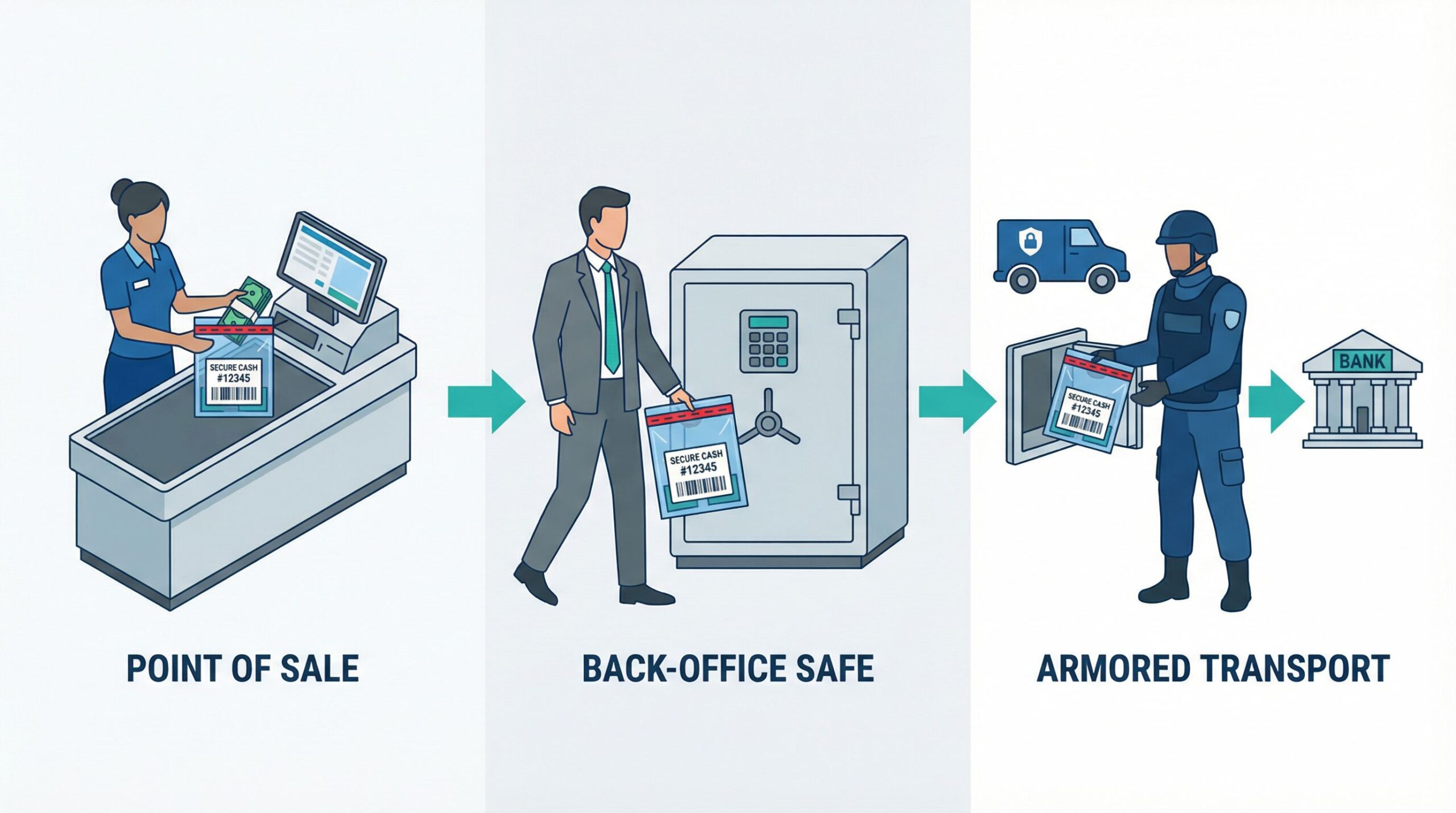
Secure cash transport chain from POS to bank using tamper-evident security bags

Common Retail Cash Management Challenges

Retail cash management introduces a range of risks that can impact security, accuracy, and profitability. Recognizing these vulnerabilities is the first step toward building a more resilient cash process.

Human Error During Counting and Making Change

Manual counting and giving change are among the most frequent sources of mistakes in retail. Employees may miscount bills, hand out the wrong change, or rush through procedures during peak hours — leading to discrepancies that accumulate over time. Without effective checks, these errors often go unnoticed until end-of-day reconciliation, by which point they are far more difficult to trace and correct.

Internal Theft and Fraud

Cash is inherently difficult to manage when access is not properly controlled. Internal theft can occur when cash is taken without authorization or when transaction records are falsified. Fraud may manifest as under-ringing items or applying unauthorized discounts. According to the 35th Annual Retail Theft Survey by Jack L. Hayes International, nearly 45,000 dishonest employees were apprehended in a single year, with over $50 million recovered from employee theft. Without robust controls and regular monitoring, these actions are extremely difficult to detect.

Poor Visibility and Accountability

When cash drawers are shared among multiple employees or when documentation is inconsistent, it becomes nearly impossible to determine who is responsible for discrepancies. This lack of clarity can lead to disputes, erode trust among team members, and make it difficult for management to identify the root cause of losses. Clear ownership and real-time tracking of cash are essential for maintaining both accuracy and workplace accountability.

The Vulnerability of Cash in Transit

While in-store security measures like cameras and smart safes protect cash on the premises, the physical movement of funds — whether from the register to the back office, or from the store to the bank — represents the highest-risk segment of the entire cash management chain. Surprisingly, when merchandise is sold and cash is received, the importance of protecting it during transit is often undermined by the use of inferior money-packaging products. Cash in transit is exposed to both internal skimming and external theft, making secure transport solutions a critical necessity for any serious retail operation.

10 Best Practices for Retail Cash Management

Implementing a structured approach to retail cash management can dramatically reduce errors, prevent losses, and improve overall operational efficiency. The following ten best practices represent the industry standard for secure and effective cash handling.

1. Use Secure, High-Quality Cash Drawers

The foundation of any effective retail cash management system is a reliable, tamper-resistant cash drawer. High-quality drawers lock securely, integrate seamlessly with POS systems, and create a safer checkout environment. Investing in durable hardware protects cash from the very moment it is received and sets the tone for a professional, accountable operation.

2. Assign One Cash Drawer per Employee or Shift

Assigning a dedicated cash drawer to each employee or shift is one of the simplest and most effective ways to enhance accountability. When each staff member is responsible for a specific drawer, discrepancies can be traced directly to the individual, reducing misunderstandings and encouraging careful cash handling throughout the shift.

3. Limit Cash Access and Permissions

Not every employee requires access to cash drawers or back-office safes. Restricting access to authorized personnel only significantly reduces the risk of both theft and accidental errors. POS-based permission systems make it straightforward to enforce these access controls consistently across all registers and locations.

4. Keep Minimal Cash in Drawers

Maintaining only the minimum amount of cash necessary in each register reduces the financial impact of theft and minimizes the temptation for opportunistic theft. Excess cash should be transferred to a secure back-office safe on a regular basis throughout the day, following a consistent schedule that is known only to authorized staff.

5. Perform Blind Cash Counts

A blind cash count requires employees to count the drawer without prior knowledge of the expected total. This approach eliminates the temptation to adjust counts to match expected figures and surfaces genuine discrepancies. Blind counting improves the integrity of the reconciliation process and builds a culture of transparency and accountability.

6. Reconcile Cash at Every Shift Change

Performing a cash reconciliation at the end of every shift — rather than just at the end of the business day — allows discrepancies to be identified and investigated while the details are still fresh. This practice reduces the risk of errors compounding over multiple shifts and makes it far easier to pinpoint the source of any shortfall.

7. Use Cash-Handling Accessories

Practical tools such as bill trays, coin organizers, till inserts, and locking drawer covers play an important role in keeping cash organized and secure. These accessories reduce counting errors, speed up transactions, and help ensure that cash is properly secured between uses. Small investments in quality accessories can yield significant improvements in daily operational efficiency.

8. Train Employees on Cash Handling Procedures

Ongoing training is essential to maintaining consistent cash-handling standards across all staff and locations. Every team member should understand the correct procedures, the reasons behind each step, and the consequences of non-compliance. Well-trained employees handle cash more accurately, respond more confidently to discrepancies, and contribute to a culture of financial accountability.

9. Monitor and Audit Cash Activity Regularly

Regular monitoring and scheduled audits are indispensable for detecting mistakes, unusual patterns, or suspicious activity before they escalate into significant losses. Combining real-time POS reporting with periodic manual audits creates a multi-layered oversight system that deters misconduct and promotes long-term compliance with cash-handling policies.

10. Secure Cash Transport with Tamper-Evident Security Bags

Cash remains highly vulnerable even after it leaves the register. Retailers must use secure, documented methods for transporting deposits to the bank. The most effective way to secure cash in transit is through the use of high-quality tamper-evident security bags. These specialized bags ensure that once cash is sealed by a manager, any attempt to access the funds before they reach the bank will leave obvious, irreversible evidence of tampering — providing an unbroken chain of custody from the store floor to the vault.

The Critical Role of Security Bags in Retail Cash Transport

High-security tamper-evident deposit bags are an integral component of every retail outlet’s security system. Cameras, RFID monitors, and security guards are only several of the many safeguards employed by retailers to protect inventory from theft or shrinkage. However, the physical packaging of the cash itself is the final and most direct line of defense during transport.

Why Standard Envelopes and Bags Fail

Many retailers make the mistake of using standard paper envelopes or basic plastic bags for cash drops and bank deposits. These inferior money-packaging products offer zero protection against skimming. A dishonest employee or courier can easily open a standard envelope, remove a few bills, and reseal it without detection. By the time the discrepancy is discovered at the bank, the chain of custody has been broken, and assigning responsibility is nearly impossible. The financial loss is compounded by the operational disruption and reputational damage that follows.

How Tamper-Evident Security Bags Work

A tamper-evident security bag is engineered to make any unauthorized access immediately and permanently visible. The bag is sealed using a pressure-sensitive adhesive strip that, once activated, bonds to the bag material at a molecular level. Any attempt to open the bag — whether using heat, cold, solvents, or physical force — triggers a hidden “VOID” message to appear on the seal, or causes irreversible distortion to the bag’s surface. This mechanism transforms the bag itself into a tamper witness, providing irrefutable evidence of any breach.

Adsure® Security Bags: Purpose-Built for Retail Cash Management

To combat transit shrinkage, industry leaders turn to specialized manufacturers like Adsure Packaging. With over 40 years of manufacturing experience, Adsure has emerged as a globally trusted producer of tamper-evident security bags, designed to provide maximum protection for cash, sensitive documents, and high-value items. Adsure® security bags are purpose-built for retail chain stores and offer a comprehensive set of security features that standard packaging simply cannot match.

Manager distributing float cash in Adsure tamper-evident bag before store opening

The following table summarizes the key security features that make Adsure® bags the preferred choice for retail cash transport:

Security Feature How It Works Retail Benefit
Multi-Layer Tamper-Proof Seal Pressure-sensitive adhesive triggers VOID message on any opening attempt Immediate, irrefutable evidence of tampering
Sequential Serial Numbers Each bag has a unique, pre-printed serial number Full chain-of-custody traceability from store to bank
Barcode Scanning Barcodes integrate with retail cash management and audit systems Automated tracking and reconciliation
Tear-Off Receipt Perforated receipt stub with matching serial number retained by manager Proof of sealing; supports dispute resolution
Write-On Area Designated field for cashier name, date, shift, and amount Accountability at the individual employee level
Multi-Compartment Design Single, dual, or triple-pocket configurations available Separates cash, coins, and deposit slips cleanly
Durable 3-Layer Film Co-extruded multi-layer construction resists tearing and puncture Withstands night drop safes and armored transport
RFID Option Embedded RFID chip for electronic tracking Real-time location monitoring for high-value deposits

Adsure offers both Level 2 and Level 4 tamper-evident closure systems for retail applications, allowing store managers to select the appropriate security level based on the value of the deposit and the risk profile of their operation. For high-volume retail environments such as supermarkets, pharmacies, and department stores, the Level 4 closure provides the highest degree of physical and forensic protection available in the market. Custom branding, barcodes, QR codes, and sequential numbering can all be incorporated to align with a retailer’s specific operational and compliance requirements.

By integrating Adsure tamper-evident security bags into the daily cash management routine, retailers effectively close the most critical vulnerability gap in the cash transport chain, ensuring that every dollar counted at the register makes it safely and verifiably to the bank.

Advanced Cash Management Solutions for Retail

Beyond secure transport, modern technology has transformed retail cash management, offering solutions that dramatically reduce manual effort, improve accuracy, and provide real-time visibility into cash flow across the entire operation.

Advanced retail cash management technology including smart safes and cash recyclers

Smart Safes and Cash Recyclers

Smart safes automatically count and validate cash as it is deposited, providing real-time totals without the need for manual counting. Cash recyclers go one step further, dispensing change automatically and reducing the time cashiers spend managing denominations. Both technologies significantly reduce shrinkage and labor costs associated with manual cash handling, and work seamlessly alongside tamper-evident bags for end-of-day deposit preparation.

POS-Integrated Reporting and Alerts

Modern POS systems offer integrated cash management reporting that provides real-time visibility into cash drawer balances, transaction histories, and discrepancy alerts. These tools enable managers to monitor cash activity across multiple registers and locations from a single dashboard, making it far easier to identify and respond to anomalies as they occur. When combined with the serial number tracking of security bags, POS reporting creates a fully auditable cash management ecosystem.

Automated Reconciliation Tools

Automated reconciliation software eliminates the time-consuming process of manually matching cash counts to sales records. By automatically comparing POS data with physical cash counts and security bag serial numbers, these tools detect discrepancies in seconds and generate detailed reports that support both operational management and financial auditing.

Solution Key Benefit Best For
Tamper-Evident Security Bags Secure, traceable cash transport with chain-of-custody All retail businesses handling cash
Smart Safe Automated counting and real-time totals High-volume retail stores
Cash Recycler Automated change dispensing, reduced labor Supermarkets, pharmacies
POS Cash Reporting Real-time visibility and discrepancy alerts Multi-location retailers
Automated Reconciliation Instant discrepancy detection across all channels All retail businesses
Armored Cash Pickup Secure, documented bank deposits Retailers with high cash volume

Conclusion

Effective retail cash management is far more than a back-office administrative task — it is a strategic function that directly impacts profitability, security, and operational efficiency. By implementing standardized procedures, investing in quality equipment, training staff thoroughly, and leveraging modern cash management technology, retailers of all sizes can significantly reduce shrinkage and minimize errors. Most critically, by securing the physical transport of funds with industry-leading solutions like Adsure® tamper-evident security bags, retailers can protect their hard-earned revenue from the register all the way to the vault. In an environment where cash shrinkage costs the industry billions of dollars annually, the choice of security bag is not a minor operational detail — it is a strategic investment in the integrity of your entire cash management system.


截图1774601549

Can You Bring Cologne on a Plane?

Yes—you can bring cologne on a plane. But whether it can stay in your carry-on, whether it needs to go in checked baggage, and whether a duty-free purchase can make it through a transfer security checkpoint all depend on three things: bottle size, where you bought it, and whether you will go through security again during your journey. Cologne is treated as a liquid under aviation security rules, so the same restrictions that apply to perfume, lotions, and other liquids apply here. ICAO’s LAGs framework, UK government guidance, EU passenger rules, and TSA guidance all align on that basic principle.

For ordinary carry-on packing, the baseline rule is simple: containers over 100 ml are generally not allowed through security unless they fall under a specific exemption. The UK states that at most airports, liquids in containers larger than 100 ml cannot go through security, and the EU likewise says cabin liquids must be in containers no larger than 100 ml, inside a transparent bag up to 1 litre capacity.

That means a 50 ml or 100 ml bottle of cologne is usually fine in hand luggage if packed correctly. A 125 ml, 150 ml, or 200 ml bottle usually is not fine for standard carry-on screening and is better placed in checked baggage. TSA says liquids over 3.4 oz / 100 ml should be packed in checked baggage unless a narrow exception applies.

Where travelers get confused is duty-free. A traveler may buy cologne after security at an airport shop, or on board an aircraft, in a bottle larger than 100 ml. In some cases, that item can still continue as cabin baggage during an onward connection—but only if it remains properly sealed in a Security Tamper-Evident Bag, or STEB, with proof of purchase visible. ICAO explains that STEBs were developed to allow an exemption to volumetric controls for liquids purchased at airport retailers or on board aircraft and carried by transfer passengers.

This is the real role of airport duty-free security bags. A STEB is not just a shopping bag. It is a controlled tamper-evident package designed for LAGs—liquids, aerosols, and gels—so security officers can see whether the contents have been opened or interfered with after purchase. ICAO describes STEBs as part of the global response to liquid explosive threats and notes that they are intended for airport and in-flight purchases carried by transfer passengers.

In practice, the scenario looks like this: you buy a 100 ml+ bottle of cologne at the airport duty-free shop after clearing security. The retailer seals the item in a STEB, places the receipt inside, and hands it to you unopened. If your itinerary includes another security checkpoint—for example, an international transfer—security staff may allow that sealed duty-free liquid through because it is still inside the tamper-evident bag with visible proof of purchase. The EU passenger guidance says duty-free liquids may be carried as hand luggage as long as the item and receipt remain sealed inside the security bag provided at purchase, and that if screening staff open the bag, travelers with a connecting flight should ask for the liquids to be resealed in a new security bag.

The UK states the same logic very clearly. Liquids bought at an airport or on a plane can go through security if the items are sealed inside a security bag when purchased and the receipt is sealed inside and visible. It also says the bag must stay closed until the final destination, though airport staff may open it for screening.

British Airways gives a useful real-world version of this transfer scenario: duty-free liquids, gels, or creams over 100 ml can be taken when you have a connecting flight if they were sealed at purchase in a Security Tamper Evident Bag with the receipt inside. BA also notes that if you leave the airport and re-enter security later, staff may need to open and reseal the items in a new bag.

For travelers entering the United States, TSA adds another important condition. TSA says duty-free liquids over 3.4 oz / 100 ml may be carried in a secure, tamper-evident bag only if they were purchased internationally, you are traveling to the U.S. with a connecting flight, the bag shows no signs of tampering, and the original receipt is present with purchase made within 48 hours. TSA also recommends putting liquids over 100 ml into checked baggage even if they are inside a secure tamper-evident bag.

So the short operational answer is this: if your cologne is 100 ml or less, treat it like a normal carry-on liquid. If it is over 100 ml, the safest choice is checked baggage. If it is a duty-free purchase over 100 ml and you still need to pass another checkpoint, keep it sealed in the STEB with the receipt visible and do not open it yourself. Even then, final screening authority remains with airport security.

There is also an important difference between a direct flight and a transfer. On a nonstop itinerary, a duty-free bottle bought after security is often straightforward because you are not presenting it at another checkpoint before boarding your final flight. On a transfer itinerary, especially an international one, the STEB becomes far more important because it serves as the chain-of-custody package for the liquid purchase. That is exactly the kind of real airport use case STEBs were created for.

Another point many travelers overlook is that security rules and customs rules are not the same thing. Security rules determine whether the cologne can pass the checkpoint. Customs rules determine whether you need to declare it when entering a country. The EU and UK both separately describe traveler allowances for “other goods,” which can include perfume. So even if a bottle clears security, it may still count toward customs allowances at destination.

For airport retailers, duty-free operators, and airlines, this is why compliant STEBs matter. The bag is part of the passenger journey, not just part of the packaging. It helps preserve the security status of the product between point of sale and transfer screening, especially for high-value liquid goods such as fragrances, spirits, and cosmetics. ICAO’s own guidance and manufacturer listing reflect how formalized this category has become in aviation security.

In that context, it is worth mentioning Adsure briefly. Adsure’s STEB line is positioned specifically for airport duty-free LAG applications, and Adsure Packaging Limited appears in ICAO’s published list of STEB manufacturers and distributors. That matters because buyers in this category usually care less about generic bag supply and more about whether a manufacturer is aligned with the actual duty-free aviation use case.

Final takeaway

If you are asking, “Can you bring cologne on a plane?” the practical answer is yes—but pack it according to the journey, not just the product.

If the bottle is 100 ml or less, it can usually go in your carry-on under normal liquid rules. If it is larger than 100 ml, checked baggage is usually the safest route. If you buy larger cologne bottles in duty free and still have a transfer ahead, keep them sealed in a proper STEB with the receipt visible and unopened until the trip is over. That is the specific airport scenario where STEBs do their real job.

Auto Bags,Tamper Evident Bag, Stebs, Biohazard Bag, Poly Mailer

Top 5 Tamper-Evident Bag Manufacturers in Asia (2026)

For procurement managers, security professionals, and logistics specialists, selecting the right tamper-evident bag manufacturer is a mission-critical decision. It requires balancing security performance, product consistency, regulatory compliance, and supply chain reliability.

Tamper-evident bags play a vital role in industries such as banking, cash-in-transit (CIT), aviation security, law enforcement, healthcare, pharmaceuticals, and e-commerce logistics. As the global market continues to grow—driven by increasing demand for chain-of-custody protection and anti-counterfeiting solutions—Asia has emerged as a key manufacturing hub.

This list highlights the Top 5 tamper-evident bag manufacturers in Asia as of 2026, each offering strong capabilities in secure packaging, innovation, and global supply.


List of Best Tamper-Evident Bag Manufacturers in Asia


1. Adsure® Packaging LimitedAdsure logo

  • Founded: 1985

  • Headquarters: Hong Kong, China

  • Products & Services Offered: Security bags, ICAO STEBs, medical specimen bags, coin deposit bags, auto-packaging bags

  • Tamper-Evident Bag Types: Bank deposit bags, ICAO STEBs, UN3373 specimen bags, forensic evidence bags

Overview:
Adsure is one of Asia’s earliest and most specialized manufacturers of tamper-evident security bags, with over 40 years of experience in secure packaging engineering.

The company offers a comprehensive product portfolio covering banking, aviation duty-free, healthcare, and law enforcement sectors. With certifications such as ASTM, REACH, and ICAO STEBs compliance, Adsure has built a strong reputation for quality, customization, and global export capability.

Its integrated manufacturing—from film extrusion to printing and bag conversion—ensures consistent performance and competitive pricing for international clients.


2. Mega Fortris GroupMega ForTris Logo

  • Founded: 1996

  • Headquarters: Malaysia

  • Products & Services Offered: Security seals, tamper-evident bags, tracking and identification solutions

  • Tamper-Evident Bag Types: Courier bags, security envelopes, deposit bags

Overview:
Mega Fortris is a globally recognized security packaging provider with a strong presence across Asia, Europe, and the Americas. The company is particularly known for its high-security seals and integrated tracking solutions, serving logistics, customs, and transportation sectors.

Its tamper-evident bag solutions are designed for traceability and compliance, making it a preferred partner for multinational supply chains and government-related applications.


3. Pannorth Plastic Industries

pan north logo

  • Founded: 1980s

  • Headquarters: Thailand

  • Products & Services Offered: Tamper-evident bags, courier bags, industrial packaging, retail packaging solutions

  • Tamper-Evident Bag Types: Security courier bags, mailing bags, custom tamper-evident packaging

Overview:
Pannorth Plastic Industries is a well-established manufacturer in Southeast Asia, known for its large-scale production capacity and expertise in plastic packaging.

The company provides tamper-evident courier and mailing bags widely used in logistics and e-commerce sectors. Its strength lies in cost-effective manufacturing, flexible customization, and the ability to handle high-volume international orders.

Pannorth has built long-term partnerships with regional and global distributors, making it a reliable supplier for businesses seeking scalable packaging solutions.


4. Dynaflex Private Limited

dynacorp logo

  • Founded: 1990s

  • Headquarters: Asia (India-based operations)

  • Products & Services Offered: Flexible packaging, security bags, courier bags, industrial packaging

  • Tamper-Evident Bag Types: Courier security bags, mailing bags, customized tamper-evident packaging

Overview:
Dynaflex Private Limited is a growing flexible packaging manufacturer in Asia, with strong capabilities in film extrusion, printing, and bag conversion.

The company serves logistics, e-commerce, and industrial packaging sectors, offering cost-effective tamper-evident solutions for high-volume applications. Its strength lies in scalable production, customization flexibility, and competitive pricing, making it a viable partner for regional and international buyers.


5. Seonjin Innotech

Seonjin Innotech logo

  • Founded: 2000s

  • Headquarters: South Korea

  • Products & Services Offered: Security packaging, industrial films, specialty tamper-evident bags

  • Tamper-Evident Bag Types: Evidence bags, medical bags, specialty security packaging

Overview:
Seonjin Innotech represents Korea’s advanced manufacturing capabilities in specialty films and secure packaging.

The company focuses on high-performance materials, precision manufacturing, and niche applications such as medical and forensic packaging. Its technical strength lies in film engineering and quality control, making it suitable for customers requiring higher-specification products.


The Best Asian Alternative: Adsure® Packaging Limited

While all five manufacturers demonstrate strong regional capabilities, buyers seeking a balanced combination of cost efficiency, compliance, and innovation often consider Adsure® Packaging Limited as the leading Asian partner.

Adsure stands out for:

  • ICAO-certified STEBs used in global airport duty-free systems

  • UN3373-compliant medical specimen bags

  • Patented tamper-evident technologies (VOID seals, irreversible closure)

  • Sustainable materials (PCR/PIR, PFAS-free solutions)

  • Proven export experience across 50+ countries

For global procurement teams aiming to diversify supply chains without compromising quality, Adsure offers a strategic balance between Western standards and Asian manufacturing efficiency.


Final Thoughts

These five companies represent the core strength of Asia’s tamper-evident bag manufacturing industry in 2026.

As demand continues to grow across banking, healthcare, logistics, and aviation sectors, selecting the right supplier requires careful evaluation of:

  • Security technology

  • Certification compliance

  • Production consistency

  • Supply chain reliability

The manufacturers listed above combine regional manufacturing advantages with global service capabilities—making Asia an increasingly important hub for secure packaging solutions.

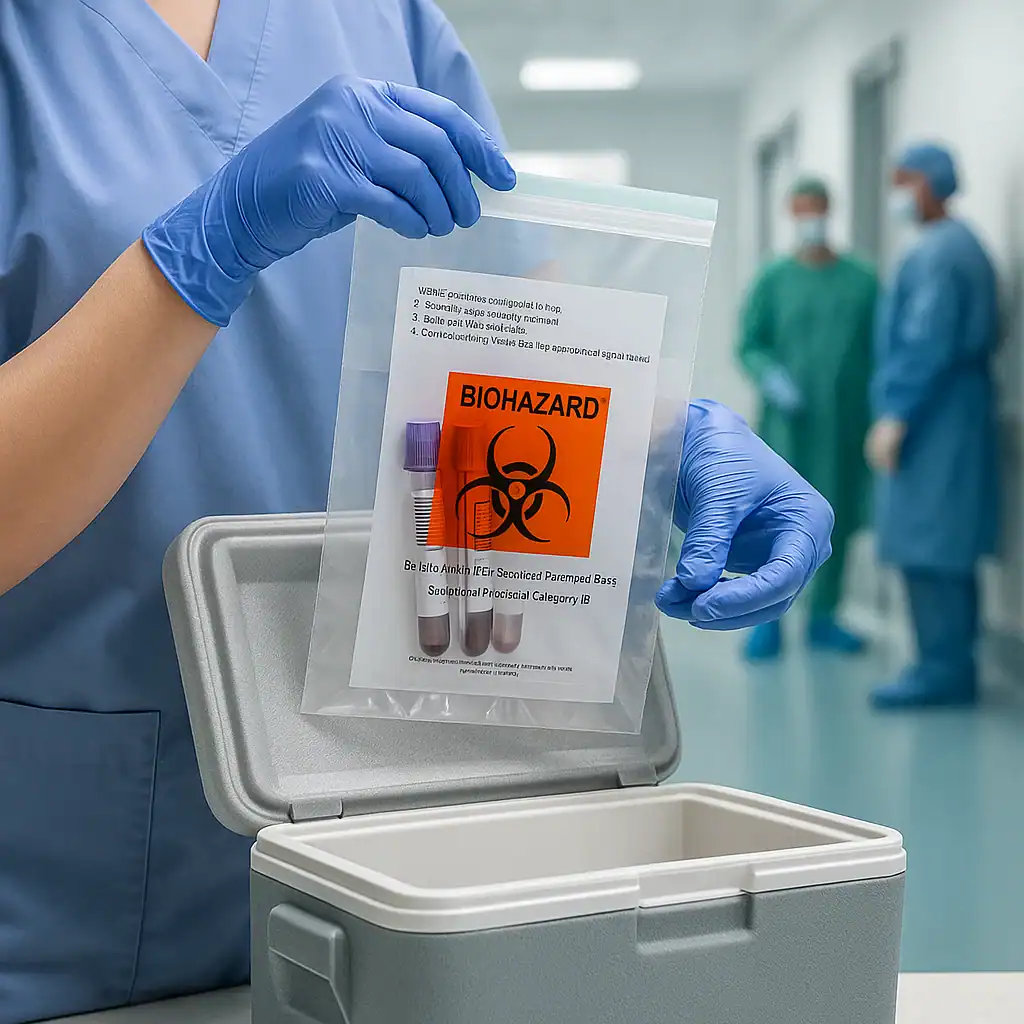
Nurse placing tamper-evident specimen bag with biohazard symbol into cooler

Lab Specimen Transport Bags: Ensuring Safe Specimen Transportation

Nurse-placing-tamper-evident-specimen-bag-with-biohazard-symbol-into-coolerLab specimen transport bags are a critical component in safely transferring medical samples from collection sites to laboratories. Proper use of these bags, along with adherence to guidelines (including WHO recommendations), ensures that specimens arrive intact and uncontaminated for accurate diagnosis. This guide answers common questions about specimen transport, covering what these bags are, how to use them, WHO guidelines, step-by-step transport procedures, and special considerations for blood samples – all with a professional focus for hospital procurement staff, lab technicians, and medical professionals.
What Is a Specimen Transport Bag (Specimen Pouch/Sample Bag)?

A typical biohazard specimen transport bag with a separate pouch for paperwork. Such bags feature clear instructions for use, a biohazard symbol, and checkboxes for temperature requirements.

A specimen transport bag (also called a biohazard specimen bag, sample bag, or specimen pouch) is a specialized leak-resistant plastic bag used to safely contain and transport biological specimens (blood, urine, swabs, etc.) between collection and the lab. These bags are usually made of durable LDPE plastic and are designed with either a three-wall or four-wall construction – meaning they have a primary pouch for the specimen and a separate attached pouch for paperwork like lab requisition forms. The separate document pouch keeps important paperwork dry and accessible during transit, preventing it from contact with the sample.

Specimen transport bags typically display the biohazard symbol prominently, alerting anyone handling the package that it contains potentially infectious material. They come with a secure sealing mechanism (such as a zip-lock or tamper-evident adhesive seal) to prevent leaks or spills. In fact, many high-quality specimen bags have tamper-evident features that add an extra layer of security, ensuring the bag hasn’t been opened or tampered with in transit. The materials are leak-proof and puncture-resistant, which protects healthcare personnel, couriers, and the public from exposure. These bags are usually single-use and disposable to avoid cross-contamination between samples.

In summary, a specimen transport bag or pouch is a safety device that meets regulatory standards for transporting clinical specimens. It keeps the sample contained, maintains sample integrity, and displays required labeling – all of which are essential for compliance and biosafety in medical sample transport.

How to Transport Lab Specimens Safely

Safe specimen transport requires following proper protocols for packaging, labeling, and handling. Whether you are a lab technician sending samples to the hospital lab or a courier moving specimens between facilities, the fundamental practices are similar:

  • Use Personal Protective Equipment (PPE):Always treat patient specimens as biohazardous. Wear appropriate PPE (e.g. gloves, lab coat) when handling and packing specimens. This protects you from exposure and prevents sample contamination.
  • Leak-Proof Primary Container:Ensure the specimen is in a tightly sealed primary container (such as a blood tube with a secure cap or a screw-capped specimen cup). Wipe the container exterior if it’s soiled, and make sure no leakage can occur.
  • Place in a Biohazard Specimen Bag:Put the primary container into a biohazard-labeled specimen transport bag for secondary containment. The bag provides a second layer of leak-proof protection. It should display the biohazard emblem and have a proper closure (zipper or adhesive seal). All samples going to the lab must be enclosed in these special bags to comply with safety guidelines. This step greatly minimizes the risk of spills during transport.
  • Include Documentation Properly:Fill out the lab requisition form or any required paperwork with patient details and tests needed. Place documents in the bag’s outer pouch, not in the main compartment with the specimen. Keeping paperwork separate (in an attached exterior pouch) prevents it from being contaminated by the sample and ensures lab staff can access forms easily without touching the specimen itself. (Contaminated or missing paperwork can lead to sample rejection, so this is important.)
  • Temperature Control:Be aware of the temperature requirements for the specimen. Some samples (like routine blood tests or certain swabs) can be transported at room temperature, whereas others (e.g. chemistry panels, blood gases) may need refrigeration at 2–8°C, and some need freezing. Use insulated coolers or ice packs for specimens that require cold transport. For example, blood samples often must be kept cool (but not frozen) to preserve their integrity. Always check the test’s requirements – improper temperature can degrade the sample.
  • Minimize Transit Time:Transport specimens to the lab promptly. Delays can cause specimens to deteriorate or become invalid for testing. Guidelines emphasize shipping or delivering to the lab as soon as possible so that the sample is still fresh when analyzed. For instance, some samples have stability limits (certain tests must be run within hours of collection). Expedite STAT specimens using designated urgent transport (many hospitals use special red or purple STAT biohazard bags to flag urgent samples).
  • Handle with Care:Avoid shaking or dropping specimens. Carry the specimen bag upright (especially for blood tubes to prevent hemolysis). If transporting multiple samples, keep them cushioned and secure to prevent breakage. In hospitals, pneumatic tube systems or robotic couriers may be used for rapid transport, but they have restrictions – for example, do not send certain delicate or large-volume samples through pneumatic tubes as they could leak or become agitated. Always follow your facility’s policies on what can be safely transported via tube or requires hand-delivery.
  • Maintain Chain of Custody:If handing off to a courier or another staff member, ensure proper logging or tracking. Many labs use specimen tracking systems (barcodes or electronic logs) to document the hand-off and receipt of samples. This chain-of-custody process maintains accountability so that every specimen is traceable from collection to testing.

By following these practices – using the right packaging, labeling clearly, controlling temperature, and minimizing delays – you can transport lab specimens safely and preserve their quality. Properly transported specimens lead to accurate lab results and better patient care.

WHO Guidelines for Specimen Transport (Triple Packaging System)

When transporting specimens, especially if they are potentially infectious or being shipped between facilities, it’s crucial to follow international guidelines. The World Health Organization (WHO) and other regulatory bodies like the CDC and IATA have well-defined standards for specimen transport to ensure safety and compliance.

A core principle in these guidelines is the “triple packaging system.” In fact, WHO recommends using a triple-layer packaging approach for all infectious or diagnostic specimen shipments. This system consists of three layers:

  1. Primary Container:The leak-proof primary receptacle that directly contains the specimen (e.g., a blood tube, urine cup, swab vial). It must be sealed tightly and cushioned if glass or fragile. An absorbent material (pad or paper) is usually placed around the primary container, sufficient to absorb the entire contents in case it leaks.
  2. Secondary Container:A durable, leak-proof secondary packaging – this is typically your specimen transport bag or a screw-capped plastic container. The primary container goes inside this secondary layer along with the absorbent. The secondary container provides another barrier against leaks. It should be labeled with the biohazard symbol (if not already on the primary). For air transport, the secondary packaging for infectious substances often needs to withstand pressure differential (95 kPa) – many certified specimen transport bags meet this 95 kPa pressure requirement for air shipment.
  3. Tertiary Container (Outer Packaging):A sturdy outer package that protects the sample during transit. This could be an insulated cooler box, a rigid fiberboard or plastic shipping box, or a specialized mailer. The outer package is what you hand to the courier or shipping service. It must be clearly labeled and marked according to regulations – for example, Category B infectious specimens should have the UN 3373 diamond label and proper shipping name “Biological Substance, Category B” on the outer package. The outer packaging also carries the sender and recipient addresses and any necessary temperature labels (e.g., “Keep Refrigerated”) or dry ice labels if applicable.

The triple packaging system is required for infectious substances and strongly encouraged for all specimen transport because it greatly reduces the risk of a spill or exposure in transit. If the primary leaks, the secondary bag contains it; if the secondary somehow leaks, the sturdy outer container prevents release. This layered protection is a best practice endorsed by WHO and reflected in regulations like the IATA Dangerous Goods Regulations.

WHO guidelines also stress proper training and classification. Personnel handling and shipping specimens must be trained in safe practices and in classifying specimens correctly (e.g., knowing whether a sample is Category A, Category B, or exempt). Category A (highly dangerous pathogens) have stricter packaging and documentation requirements, whereas Category B (the vast majority of routine lab samples) can be shipped under the UN 3373 rules with certified packaging. Always refer to the latest WHO guidance and your local regulations for details, but in summary, follow the triple-packaging rule, label everything clearly, and ensure compliance with all hazard communication standards. These steps are essential for safe and legal specimen transport across labs and borders.

Steps of Proper Sample Transportation (From Collection to External Lab)

When transporting specimens to an outside laboratory or any external facility, it’s important to follow a structured process. Below are the general steps involved in preparing and transporting a specimen sample properly:

  1. Collection and Identification:Collect the specimen using the correct technique and container for the test (e.g., use the proper blood tube with anticoagulant for a blood test, sterile cup for urine, swab in transport medium for cultures). Immediately label the primary container with patient name, ID, date/time, and specimen type. Proper identification is critical to avoid mix-ups.
  2. Secure the Primary Container:Ensure the container is sealed tightly (caps or lids screwed on, no cracks or drips). If the container has an external surface that became soiled, wipe it clean and disinfect the outside. This prevents any biohazard leakage. Verify that the collection tube or media is not expired – using unexpired, intact collection materials is necessary for valid results.
  3. Place in Specimen Transport Bag (Secondary Packaging):Insert the primary container into a biohazard specimen transport bag along with an absorbent pad. Seal the bag securely (zip it closed or ensure the adhesive strip is fully sealed). The absorbent material will contain any spills if the primary tube breaks or leaks. The biohazard emblem on the bag should be visible as a warning.
  4. Add Documentation:Complete the laboratory requisition form or shipping manifest with all required information (patient details, tests ordered, clinical information, billing, etc.). Place this paperwork in the outer document pouch of the specimen bag (or attach it to the outside of a hard container). Do not put paperwork inside the same compartment as the specimen to avoid it getting stained or lost. Ensuring the paperwork is accurate and accompanies the sample is crucial for the receiving lab to process the specimen without delay.
  5. Prepare Outer Packaging:If sending to an outside lab (via courier or mail), put the sealed specimen bag into an appropriate outer container. This may be an insulated cooler box, a Styrofoam container with a cardboard outer, or a UN-certified shipping box depending on what is required. Add cool packs or dry ice around the specimen bag if the specimen needs refrigeration or freezing. (Use dry ice only for frozen specimens and follow dry ice handling labels, since dry ice in a sealed container needs venting.) Make sure the secondary bag is secured so it won’t rattle around – add padding if necessary.
  6. Label and Mark the Outer Package:Clearly address the outer package with the destination lab’s name and address and your return address. Affix all necessary hazard labels. For example, if the sample is classified as Biological Substance, Category B, attach a UN 3373 diamond label on the outer box. Also include labels for orientation (arrows if required), and note if it’s perishable or requires specific handling (like “Keep Refrigerated” or “Dry Ice” with net weight). Include an itemized packing list or inventory of contents if shipping multiple specimens. Missing or incorrect labels and documentation can lead to carrier refusal or delays, so double-check this step.
  7. Choose an Appropriate Transport Method:Send the package by a reliable courier or delivery service that handles medical specimens. Many hospitals have dedicated medical couriers or utilize overnight shipping for lab samples. Make sure the transport timeframe meets the specimen’s stability requirements – e.g. use overnight or same-day delivery for specimens that are time-sensitive or temperature-sensitive. If using ground or air courier, follow their instructions for specimen category paperwork (some Category B shipments require a simple written declaration, whereas Category A shipments require a formal Dangerous Goods declaration and trained personnel to sign it).
  8. Maintain Cold Chain (if needed):Throughout transport, ensure that any required temperature conditions are maintained. For instance, blood or plasma samples often must stay cold (2–8°C). Use sufficient gel packs or dry ice to last the duration of transit. A single small ice pack may not be enough for long trips, so pack ample coolant or use validated shipping containers that keep the temperature range stable. If multiple specimens with different temperature needs are shipped together, separate them accordingly (e.g., keep frozen items with dry ice separate from refrigerated items to avoid freezing the ones that shouldn’t freeze).
  9. Documentation and Tracking:Provide any required shipping documents to the courier (air waybill, etc.) and keep copies. It’s wise to track the shipment – note the tracking number and monitor delivery. Maintain a record of when the specimen was sent. For legal chain-of-custody (in cases like forensic samples or certain clinical trials), have signatures at pickup and delivery. Ensure the receiving lab is aware the specimen is coming (sometimes senders call ahead for critical samples).
  10. Confirmation of Receipt:Finally, confirm that the outside laboratory received the specimen in good condition. Many labs will notify you if a sample is compromised on arrival. If you don’t get results in the expected time, follow up in case the package was delayed or there was an issue. This closes the loop and ensures any problems in transport can be addressed immediately (e.g., recollection if a sample was ruined).

By following these steps, you cover the general process of specimen transportation. Key points are speed, temperature control, and proper packaging/labeling at every step. As one state laboratory guidance sums up: ship specimens promptly (don’t let them sit around), keep them at required temperature, and never compromise on correct packaging and labeling. This diligence ensures that when specimens reach the outside laboratory, they are viable for testing and compliant with all regulations.

What Is the Appropriate Method for Transporting Blood Specimens to the Laboratory?

Transporting blood specimens requires special attention because blood is a delicate sample that can degrade or clot if mishandled. Here are the key considerations for blood samples:

  • Temperature Requirements:Most blood specimens (for routine hematology, chemistry, etc.) should be kept cool, between 2–8°C, during transport. This is usually achieved by placing the blood tubes in a cooler with refrigerated gel packs. Keeping blood at refrigerator temperature helps preserve cell morphology and chemistry analytes. Do not freeze whole blood unless instructed (freezing can cause red cells to hemolyze and rupture). Some specialized blood tests may be transported at room temperature or on ice – always follow the test instructions. As a general rule, “keep them cool but not frozen.”
  • Use of Specimen Bags:Just like any other specimen, put blood tubes in a biohazard specimen transport bag for leak protection. Blood poses a biohazard risk, so this step is critical. Ensure each tube is properly labeled and secured. If transporting multiple blood tubes, consider wrapping them or using a holder so they don’t knock against each other (to prevent breakage).
  • Preventing Clots and Hemolysis:If the blood draw was collected in tubes with additives (like EDTA, citrate, etc.), gently invert the tubes the required number of times to mix anticoagulant. When transporting, avoid excessive shaking or vibration – jostling can cause hemolysis (breakdown of red cells) which ruins the sample. Couriers should keep the blood specimens upright and handle the package gently. Pneumatic tube systems, if used, should be evaluated because the shock from tubes can sometimes cause hemolysis; many hospitals have policies on which blood tests can or cannot go by tube. For off-site transport, driving smoothly (avoiding extreme temperatures in the vehicle) also helps maintain sample quality.
  • Time to Lab:The sooner blood reaches the lab, the better. For example, blood samples for routine testing are often recommended to be tested within 2 hours of collection for optimal results (especially for components like cell counts or potassium levels). Always aim for the fastest transport feasible for blood. Use STAT labeling and fast couriers for urgent blood tests. Delays can lead to clotting (in tubes without anticoagulant) or changes in analytes. Some blood tests have specific maximum transport times (e.g., coagulation tests might require testing within a few hours). So, dispatch blood specimens promptly and communicate if any are priority.
  • Insulated Transport (if needed):If blood must be kept cold, use an insulated bag or container. In a hospital setting, blood tubes may be transported in rack holders inside insulated pouches. For external transport, an insulated cooler with gel packs is standard. Make sure blood is not placed directly on dry ice unless it’s specifically to be frozen plasma – whole blood on dry ice will freeze, which is usually not appropriate. Instead, use cold packs for refrigerated transport.
  • Special Cases:Some blood specimens have unique requirements. For instance, if you’re transporting blood cultures, they should be kept at room temperature (and upright) since they need to grow organisms. Cold temperatures could inhibit growth. Conversely, lactic acid blood tests often need iced water slurries. Always follow the test-specific guidelines for any special handling. When in doubt, consult the laboratory or test directory for instructions on transporting that type of blood specimen.
  • Documentation:Ensure the blood sample’s paperwork (lab request) indicates the time of draw, and any preservatives used. For blood being sent out for specialized tests (like to an outside reference lab), include all necessary forms and note if the sample was centrifuged or if plasma/serum was separated. This helps the receiving lab process it correctly.

In summary, the appropriate method for transporting blood is to keep it cool and safe: use a biohazard specimen bag for containment, maintain 2–8°C unless otherwise directed, handle gently to prevent hemolysis, and get the sample to the lab quickly. By doing so, you preserve the blood specimen’s integrity, which is vital for accurate test results. Always remember that blood is a living tissue – treat it with care during transport just as you do during collection.

Conclusion: Ensuring Safety and Compliance in Specimen Transport

Properly transporting lab specimens is a critical responsibility in healthcare logistics. By understanding what lab specimen transport bags are and following best practices – from using the right packaging and WHO-endorsed triple packaging system to maintaining temperature and speed – medical professionals can ensure that every sample reaches the lab securely and in optimal condition. Adhering to these guidelines not only protects the people handling the specimens (through leak-proof, biohazard-labeled bags and proper PPE) but also protects the patients by preserving the sample quality for accurate diagnoses.

For hospital procurement staff and lab managers, investing in high-quality specimen transport bags and training staff in transport protocols is an investment in safety, compliance, and efficiency. Modern specimen transport bags come with features like tamper-evident seals, 95kPa pressure certification for air transport, and clear document pouches – all of which help meet regulatory requirements and prevent errors or accidents.

By implementing the steps and recommendations outlined above, your facility can streamline the sample transportation process and minimize risks. Always stay updated with the latest guidelines (from WHO, CDC, etc.) and refresh staff training regularly to keep compliance standards high.

If your organization is looking to enhance its specimen transport system, consider partnering with trusted suppliers for top-quality bags and containers. Our company, Adsure Packaging, offers Security Lab Specimen Bags that are designed to meet these stringent requirements – featuring tamper-evident closures and durable, leak-proof construction for peace of mind. Ensure every specimen arrives safely. Reach out to us to learn more about improving your lab’s specimen transport solutions and safeguarding the integrity of your samples from pick-up to delivery. Your patients and your lab results depend on safe specimen transport – and with the right tools and procedures in place, you can deliver that safety every time.

Ink Bomb Protection in Cash Transit

Bank Dye Packs Explained and Their Role in Cash Security

Aftermath of a bank robbery: a hidden dye pack exploded and stained a stack of $20 bills, forcing the loot to be abandoned on the sidewalk.

Exploding dye packs are a time-tested security device that banks use to thwart robbers by literally staining stolen cash and criminals red-handed. These devices remain widely used in financial institutions and cash transport, quietly protecting currency without the need for violent confrontation. In this article, we’ll explain how exploding dye packs work, discuss where and how authorized organizations obtain them, and examine their use in bank robbery scenarios. Real-world examples and best-practice takeaways will help security professionals understand the value and considerations of dye pack systems.

How Do Exploding Dye Packs Work?

Dye packs are ingeniously engineered to activate after a robbery and ruin a thief’s plans. They consist of a radio-controlled incendiary device hidden inside what looks like a normal stack of banknotes. Below is a step-by-step look at the mechanism of a typical bank dye pack:

  • Disguised within Currency: The dye pack is concealed in a hollowed-out stack of real bills (commonly $10 or $20 notes) so it appears and feels like an ordinary bundle of cash. Modern dye packs are built in thin, flexible housings that make them virtually indistinguishable from real currency, unlike older rigid models that savvy criminals could detect.

  • “Safe” Mode at the Teller: Banks keep the prepared dye-pack bundle at teller stations on a special magnetic plate. While on this plate, the dye pack’s electronics remain in an inert standby mode. During a robbery, a trained teller will surreptitiously include the dye-pack bundle among the cash handed over to the robber. As soon as the pack leaves the magnetic plate, it arms itself via its internal receiver.

  • Activation Trigger and Timing: A radio transmitter—usually concealed at the bank’s exit doors—emits a signal when the robber passes through. Upon receiving this signal, the dye pack’s timer starts counting down a preset delay (often about 10 seconds or more). This delay is intentional, giving the robber time to move a safe distance from the bank (often into their getaway car) before activation.

  • Explosive Dye Release: After the brief delay, the dye pack explodes inside the money bag. The device bursts open and ejects a cloud of brightly colored dye and smoke (typically red dye) in an aerosol form. The most commonly used dye is 1-methylaminoanthraquinone, also known as Disperse Red 9, which produces an indelible red stain. Along with the dye, many packs also release a tear gas or irritant (such as CS gas) to disorient the thief. The explosion can reach temperatures of around 200 °C (400 °F), which not only helps spread the dye but also discourages the robber from touching or hiding the scorching package.

  • Marking and Incapacitation: The erupting red dye permanently stains the stolen money and often the robber’s clothes, skin, and anything else in the vicinity. The sudden burst of red smoke and the possibility of tear gas typically startle the robber and may cause them to drop the cash bag immediately. By the time the thief regains composure, the money is defaced and the thief themselves may be marked (literally “painted” red) and coughing or rubbing their eyes from the irritant. In some dye packs, additional security measures like forensic tracers or adhesive bonding agents are present; these agents can glue the bills together or embed microscopic markers, further ensuring the cash is unusable and linking the criminal to the crime scene.

  • Recovery and Evidence: The primary purpose of a dye pack is to neutralize the reward of the crime and aid in apprehension. Stained banknotes are easily recognized as stolen property – financial institutions have standing procedures to flag and confiscate dye-stained money so it cannot be laundered or spent. The indelible dye is extremely difficult to remove from fabric, skin, or the bills themselves. Attempts to wash the money (for example with bleach) have been forensically analyzed, and even then the chemical byproducts can be detected by investigators. In short, once that pack explodes, the thief is left with ruined cash and incriminating stains, while the stolen money becomes traceable evidence instead of a usable haul.

By design, dye packs offer a non-lethal but effective method to spoil a robbery. They maximize the chance of recovering cash and provide unmistakable visual evidence, all without bank staff confronting the robber. As a psychological benefit, the risk of “a bag of money that blows up” serves as a deterrent – many would-be robbers are aware that over 75% of U.S. banks use dye packs in their cash drawers. This technology, invented in the 1960s, has continually improved and remains a staple of cash security today. Modern variants and related Intelligent Banknote Neutralization Systems (IBNS) extend the concept with dye or even glue in ATMs, cash transport boxes, and other cash storage, operating on the same principle of marking stolen money unusable.

Where Can I Buy Exploding Dye Packs?

If you’re imagining picking up an exploding dye pack on Amazon or at the local spy shop, think again. Authentic bank dye packs are tightly controlled security products, not consumer gadgets. These devices contain pyrotechnic and chemical components (dye and tear gas capsules), so their distribution is restricted to law enforcement, banks, and licensed security providers. Here’s what security professionals should know about sourcing dye packs:

  • Authorized Manufacturers Only: Banks and armored cash transport companies obtain dye packs directly from specialized security equipment manufacturers. One leading provider is 3SI Security Systems (formerly ICI Security Systems), which produces the widely used SecurityPac® dye pack. In fact, the SecurityPac system has been protecting cash for decades and is credited with recovering over $70 million in stolen funds and helping apprehend 7,000+ criminals over its lifetime. Other international vendors (such as Adsure Packaging Limited in Asia) supply IBNS systems for ATMs and cash-in-transit with similar ink-staining technology. These companies sell business-to-business, meaning they will only supply dye packs to verified financial institutions, security agencies, or law enforcement – not to the general public.

  • Legal and Regulatory Restrictions: In most jurisdictions, it is legal for banks and licensed entities to use dye packs as anti-theft devices, but there are regulations governing their use. The use of dye packs by private individuals (for example, booby-trapping a package against porch thieves) is generally not advisable and could be illegal or lead to liability. Explosive dye devices could be considered dangerous weapons or prohibited “booby traps” if misused by civilians. Even businesses must adhere to safety regulations – for instance, some regions might restrict deploying dye packs in crowded public areas due to the risk of staining bystanders or property. It’s important for any organization deploying dye packs to consult local laws and guidelines. (Notably, some countries’ central banks have specific rules about currency neutralization; a few nations even forbid any practice of intentional ink-staining of banknotes.) Generally, banks work closely with law enforcement and follow established protocols when using dye packs, including notifying police when one has been activated and handling the stained cash as evidence.

  • Procurement and Training: To acquire dye pack systems, a bank or security company typically enters a service contract with the manufacturer or an authorized distributor. The vendor will provide the physical dye pack units, triggering equipment (doorway transmitters, magnetic plates, etc.), and often training for bank staff on how to handle and deploy the packs safely. Training is crucial – staff must know how to secretly include a dye pack during a robbery and the importance of keeping it on the magnet until handed over. Vendors also assist with maintenance, like checking battery life or replacing used packs. Costs of dye pack systems can vary, but they are considered reasonably affordable relative to the potential loss of a robbery (and many insurers encourage their use). The packs are one-time use (they must be replaced after they explode), so banks budget for a supply of dye packs and periodic system tests.

    Additionally, banks should use secure packaging for storing and transporting dye packs. Tamper-evident currency bags (such as Adsure’s permeable security bags) are recommended to safely house dye packs and cash bundles during transit or storage. These specialized bags are made of materials that allow the dye to quickly permeate and stain contents if a dye pack activates, while providing tamper-evident seals to deter or detect any interference. Adsure, which began producing security bags in 1985, is one of the earliest and most trusted manufacturers in Asia. Incorporating such secure packaging into the dye pack program adds an extra layer of safety and control over the devices when they’re not in use.

  • Availability to Others: Aside from banks, other cash-handling businesses (retail stores, casinos, armored car services) might consider dye packs or similar cash-neutralizing systems. They would go through the same authorized channels. For private individuals, functional dye packs are not sold commercially. However, on rare occasions disarmed or decommissioned dye packs show up as collector’s items or novelty pieces. For example, a completely disarmed bank dye pack (with the explosive and dye removed) might be sold as a curiosity – such items are legal to own because they have been rendered inert. These typically consist of real but canceled banknotes encasing an empty device shell as a display. Under no circumstances should anyone attempt to create their own explosive dye device; not only is it dangerous, but unauthorized use could result in criminal charges. In summary, exploding dye packs are obtained through secure, vetted channels. Banks looking to implement them should engage established security system providers, and the procurement process will include ensuring compliance with all laws (often working with local police or regulators) and training employees. Dye packs are a proven tool, but they must be handled responsibly and legally within the framework of professional security operations.

    In cash-in-transit operations, dye pack technology is often integrated into armored transport cases or secure cash bags. A prime example is the use of ink-permeable security bags designed for CIT, like those made by Adsure. These tamper-evident bags house cash along with an ink or dye release device; if a courier bag is opened without authorization, the bag’s special lining rapidly channels dye through the contents, making the banknotes unusable to thieves. Such solutions extend the dye pack concept beyond the bank branch, protecting cash during transit using the same principle of ruining stolen money.

Tamper-evident dye bag with stained US dollar bills.

Bank Dye Pack in Action

When a bank employs dye packs, it becomes a silent guardian against robbery. Let’s explore how dye packs are used in banks and how effective they are in real incidents:

  • Concealment and Deployment: In a bank’s cash drawers, dye pack bundles are usually kept alongside real currency, often in teller “bait money” stacks. Only the bank staff can tell which stack contains the dye pack (there may be a subtle marking or a known position familiar to employees). During a robbery, tellers are trained to remain calm and comply with the robber’s demands for cash. While doing so, the teller discreetly includes the special bundle with the dye pack into the money bag. Because modern dye packs are flexible and nearly identical to real stacks of bills, the thief has no easy way to distinguish them in the heat of the moment. The teller will hand over the bag and allow the robber to leave – dye packs are intended to activate once the robber is in flight, ensuring staff and customers inside the bank are safe from the effects.

  • Remote Activation: As described earlier, the moment the robber rushes out the door, the dye pack’s sensor picks up the activation signal and arms the device. Banks coordinate this with their alarm systems – the silent alarm trigger that alerts police can simultaneously ensure the doorway transmitter is on. This means the robber leaves the bank thinking they’ve gotten away, unaware that a countdown to an eruption has begun in their loot bag.

  • Effectiveness and Outcomes: Exploding dye packs have a strong track record of foiling robberies. In many cases, the stained money is recovered immediately because the thief, startled by the explosion or overwhelmed by red smoke, abandons the cash. In the United States, dye packs are credited as one of the reasons the success rate of bank robberies (in terms of robbers escaping with usable cash) has dropped. A significant majority of bank robbers are caught or the money recovered, and dye packs contribute to that outcome. According to industry data, banks utilizing SecurityPac dye packs have collectively recovered tens of millions of dollars that would have been lost, and aided in thousands of arrests.

To illustrate how dye packs work in practice, here are a few real-world incidents where they made all the difference:

  • Marked and Caught in the Act (Pennsylvania, 2010): Two armed men robbed a TD Bank in Plymouth Township one morning, forcing tellers to fill an Adidas backpack with cash. Unbeknownst to them, a dye pack was slipped in. As the robbers fled the bank, witnesses saw a cloud of red smoke billowing as the dye pack detonated on the street. The suspects dropped the cash and even tried to shed their dyed clothing. Police later recovered all the money and noted that the thieves would be literally marked – with red dye on their hands, bodies, and even in their hair. Sure enough, the vivid stains and surveillance footage led investigators to identify and apprehend the perpetrators. The dye pack not only spoiled the robbery but provided evidence on the suspects themselves.

  • Caught Red-Handed (Florida, 2008): In another case, a bank robber in Fort Lauderdale made off with a bag of money from a bank, only to wander into a pawn shop as his next stop. Moments later, the dye pack hidden in his loot exploded inside his pants, sending up red smoke. Startled and now in pain (the device can cause minor burns), the man ditched the money on the pawn shop floor and fled empty-handed. The explosion also released a mace-like chemical that made bystanders’ eyes sting and even triggered a hazmat response. While the suspect initially escaped, the vivid dye stains (and likely some burns) made him an easy target for law enforcement. This incident got plenty of media attention, with headlines about a robber literally “painted” red by his own stolen cash. It stands as a memorable example of the dye pack doing exactly what it’s meant to do – render the cash useless and create a spectacle that leads to arrest.

  • Robber’s “Hot” Cash (Various): There have been many instances of robbers discovering the dye pack only after it’s too late. In some reports, dye packs have exploded inside getaway cars, billowing red smoke out of the vehicle, which practically acts like a flare for police to home in on. In other cases, a thief stuffing the money into their clothing ended up with a dye pack exploding in a pocket (or waistband), resulting in painful burns in rather uncomfortable places and ruined clothes. On a few occasions, panicked robbers have even tried to sue or complain after being foiled by a dye pack, claiming they were injured – a futile gesture given that they were injured in the course of committing a crime. Banks are generally protected from liability as long as the dye pack use conforms to law enforcement guidelines (the devices are designed to be non-lethal and to minimize risk to bystanders). Nonetheless, out of caution, some banks will refrain from using dye packs if a robbery involves hostages or unusual danger, but in the vast majority of cases these packs help resolve the incident swiftly once the robber leaves.

  • Limitations and Considerations: While dye packs are highly effective, bank security managers should be mindful of a few factors. First, dye packs do destroy currency (by design, they deface it); however, since stained notes are marked as stolen, they are typically removed from circulation. (In some countries, central banks will exchange neutralized banknotes for legitimate owners under strict procedures, but criminals cannot simply wash or swap them without exposing themselves.) Banks absorb the loss of any cash that’s burned or glued by their security devices, but that loss is usually trivial compared to what would happen if a robber got away with clean cash. Second, there is a cost and upkeep factor – each dye pack is single-use and must be replaced after it’s triggered, and the radio transmitters and sensors need periodic testing. Some banks have also balanced dye packs with GPS tracking devices hidden in cash (tracking devices can quietly lead police to the suspect, even if the money isn’t marked). In fact, many modern bank security strategies use both: a dye pack to immediately impair the thief’s progress, and a GPS tracker to follow their escape route in real time. The integration of these technologies, along with traditional silent alarms and surveillance cameras, gives security professionals a robust toolkit. Finally, staff cooperation is key. A dye pack is only effective if the teller can include it without tipping off the robber. Training scenarios and drills help prepare employees to execute this under stress. Fortunately, most robbers, in the adrenaline rush of the moment, won’t inspect each bundle of cash. The element of surprise is firmly on the bank’s side.

Conclusion and Key Takeaways

Exploding dye packs have proven themselves as a valuable asset in bank security. They exemplify a clever, low-risk defense: stopping criminals not with force, but with chemistry and cunning. For security professionals considering or managing dye pack systems, here are some key takeaways:

  • Proven Deterrent and Recovery Tool: Dye packs have decades of successful use, foiling countless robberies. They permanently mark stolen cash and suspects, often leading to recovery of money and quick apprehension of criminals. Their very presence in a majority of banks acts as a deterrent – would-be robbers know there’s a good chance any stolen cash will self-destruct shortly after the crime.

  • Safety and Non-Lethality: These devices are designed to be non-lethal. They use dye and irritant gas rather than shrapnel or high explosives. While a dye pack can cause minor burns or irritation, the risk to bank staff and customers is minimal when used correctly (the pack is timed to detonate away from the branch). Still, banks should coordinate with law enforcement and emergency responders, as a dye pack going off may prompt a response (e.g. firefighters or hazmat for the smoke/tear gas, as seen in some cases). Clear protocols should be in place for after a pack explodes – typically, staff will lock the doors and preserve any stained money as evidence until police arrive.

  • Training and Procedure are Vital: A dye pack system is only as good as the people using it. Employee training must cover when and how to include a dye pack during a robbery, and what to do immediately after (e.g. don’t chase the robber—let the pack do its job, then alert authorities). Because each incident is dynamic, staff should exercise good judgment – for example, if a robber seems to spot the dye pack or if there’s a high risk to life, the priority is safety over deployment. Drills with local police can be helpful so that everyone knows what a dye pack detonation looks like and how to respond.

  • Legal Compliance and Liability: Security managers must ensure that the use of dye packs complies with all applicable regulations. In general, banks are allowed to use them, but it’s wise to stay updated on any local restrictions (for instance, some jurisdictions may limit chemical devices). It’s also important to inform insurance providers about these systems. While incidents of third-party injury are exceedingly rare, having clear policies and signage (some banks quietly display signs that stolen money will be marked) can provide legal cover and further deter crime. As a rule of thumb, do not attempt to use dye packs outside of professional security scenarios – private use can lead to unintended consequences and legal trouble.

  • Integration with Broader Security Measures: Consider dye packs as one layer in a multi-layered security approach. They work best alongside tools like GPS trackers, alarm systems, dye/ink tagging systems in ATMs, tamper-evident cash transport bags, and surveillance cameras. For example, a dye pack might stop a robber in their tracks, but a GPS tracker can ensure police trace their location if they manage to keep the money. Likewise, using a secure currency bag (such as Adsure’s permeable security bag) can help contain stained cash and provide immediate evidence of tampering. High-resolution camera footage will also corroborate the evidence (red-stained clothes on camera are pretty damning). An integrated approach maximizes the chances of safely capturing the suspect and preserving the evidence.

In conclusion, exploding dye packs remain a highly effective, affordable, and intelligent security measure for cash-handling businesses. They exemplify the adage “crime doesn’t pay” – quite literally staining ill-gotten gains and thwarting criminals’ getaways. For security professionals, deploying dye packs can provide peace of mind that even if a robbery occurs, the stolen money will self-neutralize and assist in bringing the perpetrators to justice. By understanding the technology, sourcing it through proper channels, and implementing it with robust training and protocols, banks and other institutions can significantly upgrade their defenses against theft. Pairing dye packs with complementary tools—such as tamper-evident cash bags from reputable providers (e.g. Adsure, Asia’s pioneer in security bag manufacturing)—further strengthens this layered defense strategy. The next time you see news of a bank robber discovered with red dye all over their hands, you’ll know exactly how it happened – and why such outcomes are a win for the good guys.

Coin deposit bag filled with coins on a table in a laundromat back office

Coin Bags Explained: Types, Bank Standards, and Secure Coin Handling

What Are Coin Bags (Money Bags for Coins)

Coin bags are specialized bags used to hold and transport large quantities of coins securely. Banks, businesses, and even individuals use coin bags to organize loose change and facilitate deposits. For example, retail stores, bars, and arcades often accumulate heavy, bulky coins and rely on sturdy coin bags to manage and store them safely. Historically made of cloth and closed with a drawstring, money bags for coins are a form of currency packaging commonly seen in bank cash handling.

Coin bags come in various materials and styles to suit different needs. Commonly, they are made from heavy-duty canvas cloth or thick poly/plastic. Smaller zippered pouches made of vinyl or canvas are often used for everyday cash deposits, while larger drawstring canvas sacks or clear plastic bags are used for transporting bulk coins. Many businesses prefer clear plastic coin bags because they allow easy visibility of contents, whereas others opt for opaque canvas bags for added security. In all cases, the bags are built to withstand the weight of coins (often up to tens of kilograms).

Modern coin bags often incorporate security features to prevent theft and tampering. For instance, tamper-evident deposit bags have self-sealing adhesive strips that irreversibly show signs if opened. Many bank coin bags come with unique serial numbers and barcodes for tracking, and even removable tear-off receipts for record-keeping. Such features allow banks and businesses to ensure the coins remain secure in transit. In summary, a coin bag (or “money bag” for coins) is an essential tool for safely handling coins – from loose change at home to large coin deposits in financial institutions – with materials and designs optimized for durability and security.

Types of Coin Bags

Coin bags come in several types, each suited for different uses. Below are the common types of coin bags and their features:

  • Poly/Plastic Coin Bags: These are heavy-duty clear plastic bags made from multi-layer polymer film. They are single-use, tamper-evident deposit bags designed for banks and armored transport. A quality poly coin bag meets Federal Reserve standards with a thick (often ~6.5 mil) material and a reinforced handle that can hold up to 50 lbs of coins without breaking. They usually have self-sealing adhesive closures and often include tracking features (barcoded labels, serial numbers) for high security. Poly coin bags allow visibility of contents and are tamper-evident, meaning any attempt to open will be obvious. They are commonly used by banks, armored car services, and coin-operated businesses for depositing large coin amounts.

  • Canvas/Cloth Coin Bags: These are reusable cloth bags, traditionally made of heavy cotton canvas or duck cloth. Canvas coin bags often have a drawstring top or tie closure, and can be secured with cable ties or locks for security. They are very durable – for example, a large 10 oz cotton canvas coin bag (about 14″×28″) can withstand years of wear and tear. Canvas bags are breathable (allowing moisture to escape) and ideal for repeated use within businesses or between banks. However, by themselves they are not tamper-evident; banks typically seal them with lead seals or zip-ties if security is needed. Canvas coin bags were the standard for banks in the past and are still used for internal coin storage or transport. They are popular for lower-cost, eco-friendly coin transport and can hold substantial weight, though typically one would not overfill beyond ~50 lb for handling reasons.

  • Tamper-Evident Deposit Bags: This category refers to secure coin deposit bags (often plastic) used for bank deposits and cash-in-transit. They are usually clear, heavy-duty poly bags with tamper-evident seals and often a handle for carrying. These bags meet bank requirements for coin deposits – for example, they have a tamper-indicating seal, are made of thick material (around 6–6.5 mil), sized similar to canvas coin sacks, and have labels for recording contents. Tamper-evident deposit bags typically feature a self-sealing adhesive strip: once you fill the bag and seal it, any attempt to open will visibly damage the seal. They also include unique identifiers (numbered, barcoded) on each bag and often a tear-off receipt for the depositor. These bags are used by banks, armored car services, and large retailers to securely send loose coins to coin processing or central vaults. Because they are one-time use, they ensure a fresh, uncompromised bag for each deposit.

  • Personal Coin Pouches: For individuals or cashiers handling smaller amounts of coin, coin pouches or coin purses are common. These are small bags (often leather, fabric, or nylon) with zippers or snap closures used to carry loose change. Some pouches are designed with multiple compartments to sort coins by denomination. For example, businesses offer 6-compartment coin pouches that hold various denominations in separate pockets (with an extra section for bills or coupons). This helps users like vendors or waitstaff quickly make change and keep coins organized. Personal coin pouches do not have special security features since they are intended for personal custody, but they are convenient for daily use. Coin collectors also use small cloth or plastic pouches to store valuable coins individually. In short, personal coin bags range from simple change purses to more organized pouches for professional use.

Bank Coin Bag Standards (Standard Amounts)

Banks and financial institutions have established standard amounts for coin bags, to ensure consistency in deposits and ease of handling. In the United States, the Federal Reserve specifies uniform “full bag” amounts for each coin denomination. For example, a full bag of pennies contains $50 (which is 5,000 pennies), a full bag of nickels contains $200 (4,000 nickels), and a full bag of dimes or quarters contains $1,000. Half-dollar coins are also bagged as $1,000 per bag (2,000 halves), while dollar coins are typically bagged as $2,000 (2,000 $1 coins) per bag. These standard amounts ensure that each bag weighs roughly the same (around 45–50 pounds for silver coins) for safety. Color-coding is used to label U.S. coin bags by denomination for quick identification: e.g. Red for pennies, Blue for nickels, Green for dimes, Orange for quarters, Buff (tan) for halves, and Grey for dollar coins. The table below summarizes the typical U.S. coin bag standards and their color codes:

Standard U.S. Coin Bag Amounts and Color Codes

Coin Denomination

Standard Full Bag Amount

Bag Tag Color (ABA Standard)

1¢ penny

$50 (5,000 pennies)

Red

5¢ nickel

$200 (4,000 nickels)

Blue

10¢ dime

$1,000 (10,000 dimes)

Green

25¢ quarter

$1,000 (4,000 quarters)

Orange

50¢ half-dollar

$1,000 (2,000 halves)

Buff

$1 coin

$2,000 (2,000 dollar coins)

Grey

Note: The above are Federal Reserve standard bag amounts for U.S. coin deposits. Banks typically require deposits in full bags of these amounts for efficiency. The color codes are as per the American Bankers Association (ABA) standard and are used on bag labels or tags for quick visual identification

In the United Kingdom, banks likewise have standard coin bag requirements (sometimes called “coin sachets”). UK high-street banks provide small, clear plastic coin bags to customers, each designed to hold a specific value of coins. Typically, a bag will contain £1 in pennies or 2p coins (for example, 100 pennies or 50 two-pence coins), £5 in 5p or 10p coins, £10 in 20p or 50p coins, or £20 in £1 or £2 coins. For instance, one full bag holds 20 × £1 coins (worth £20), or 20 × 50p coins (worth £10). The table below shows the standard UK coin bag quantities:

Standard UK Coin Bag Amounts

Coin Denomination

Number of Coins per Standard Bag

Total Value per Bag

1p penny

100 coins

£1

2p two pence

50 coins

£1

5p five pence

100 coins

£5

10p five pence

50 coins

£5

20p five pence

50 coins

£10

50p five pence

20 coins

£10

£1 one-pound

20 coins

£20

£2 two-pound

10 coins

£20

(UK banks generally require coins to be sorted by denomination and bagged separately; mixed coin bags are usually not accepted. Tellers can quickly verify the deposit by weighing the bag, as each full bag has a known weight.)

How to Obtain Coin Bags

Where can you get coin bags? There are several convenient sources:

  • Banks: Most banks or credit unions will provide coin bags (or coin wrappers) to their customers for free if you ask. In the UK, for example, it’s common to request small coin bags at the bank counter for sorting your change. In the US, many banks supply free paper coin rolls and may have deposit bags available for business account holders. For larger tamper-evident coin bags, some banks can order them for you (especially for business needs) if given advance notice. Always check with your bank’s branch – they often have the necessary coin bags or coin wrappers on hand.

  • Online Retailers & Office Suppliers: Coin bags (both cloth and plastic) are widely available for purchase. E-commerce sites and office supply stores carry tamper-evident deposit bags, canvas coin sacks, and coin roll wrappers. For instance, one can find packs of Federal Reserve-compliant plastic deposit bags online, which include features like tear-off receipts and serial numbers. Office supply catalogs also sell canvas bank bags and smaller change pouches. If your bank doesn’t provide the bags you need, you can easily obtain them from such vendors.

Tips for using coin bags: 

Always sort your coins by denomination before bagging – banks will not accept mixed denominations in one bag. Use coin wrappers for very small amounts: rolling coins in paper tubes (rolls) can make it easier to count and exchange small change. In fact, rolling coins yourself is often the most cost-effective method, and banks typically provide the paper rolls for free. When preparing a deposit, fill coin bags up to the standard amount (if possible) to simplify the bank’s verification. It’s a good practice to label your bags with your name and account details if the bag has a writable panel. For businesses, plan ahead and order coin bags from your bank if you anticipate needing many – some banks might require notice to supply large quantities. Finally, ensure coin bags are properly sealed (especially tamper-evident bags) and keep the tear-off receipt or note the serial number for your records.

Recommended Supplier – Adsure Packaging Limited

When choosing coin bags, it’s wise to purchase from trusted suppliers. Adsure Packaging, a specialist in security packaging since 1985, is one recommended manufacturer known for high-quality tamper-evident coin bags. With over 40 years of experience in producing security bags, Adsure’s coin deposit bags are Federal Reserve compliant, meaning they meet the rigorous standards required for bank coin shipments.

They are constructed with a special multi-layer polyethylene film that is extremely durable—tested to hold heavy coin loads (up to approximately 50 pounds) without tearing. Each bag features a self-sealing tamper-evident tape closure and is uniquely numbered with a barcode for tracking and security. The design also includes reinforced carry handles with die-cut holes to support the weight of coins during transit.

Adsure’s tamper-evident coin bags are available in various sizes and security levels and can be ordered online through its website or authorized distributors. They are widely used by banks, retail businesses, and vending operators for their long-proven reliability, regulatory compliance, and consistent quality. By choosing an experienced supplier like Adsure, organizations handling coins can ensure they use high-security bags that effectively protect against theft while meeting strict bank requirements.

Conclusion

In summary, coin bags are an indispensable part of cash handling for coins, ensuring that coins are stored, transported, and deposited safely and efficiently. From small canvas pouches for daily use to tamper-evident plastic bags for large bank deposits, using the right type of coin bag maintains organization and security. It is important to adhere to bank standards (proper amounts and packaging) to avoid hassles when depositing coins. By obtaining quality coin bags – whether through your bank or trusted suppliers like Adsure Packaging – businesses and individuals can protect their coin assets and streamline their cash management. In a world where coins can quickly become cumbersome, the proper coin bag keeps your money secure and makes handling large quantities of coins practical and hassle-free.

Exam staff sealing test papers and answer sheets in tamper-evident confidential document bag

The Ultimate Guide to Tamper-Evident Envelopes: Securing Your Sensitive Items

In today’s world, where security is paramount, ensuring the safety of sensitive information during transit is critical. Whether it’s important documents, cash, or valuable items, protecting these from tampering is essential. This is where tamper-evident envelopes come into play. These specially designed envelopes offer a level of protection that makes it easy to spot if a package has been tampered with. In this article, we will dive into everything you need to know about tamper-evident envelopes, including their purpose, how to detect tampering, and the requirements they must meet.
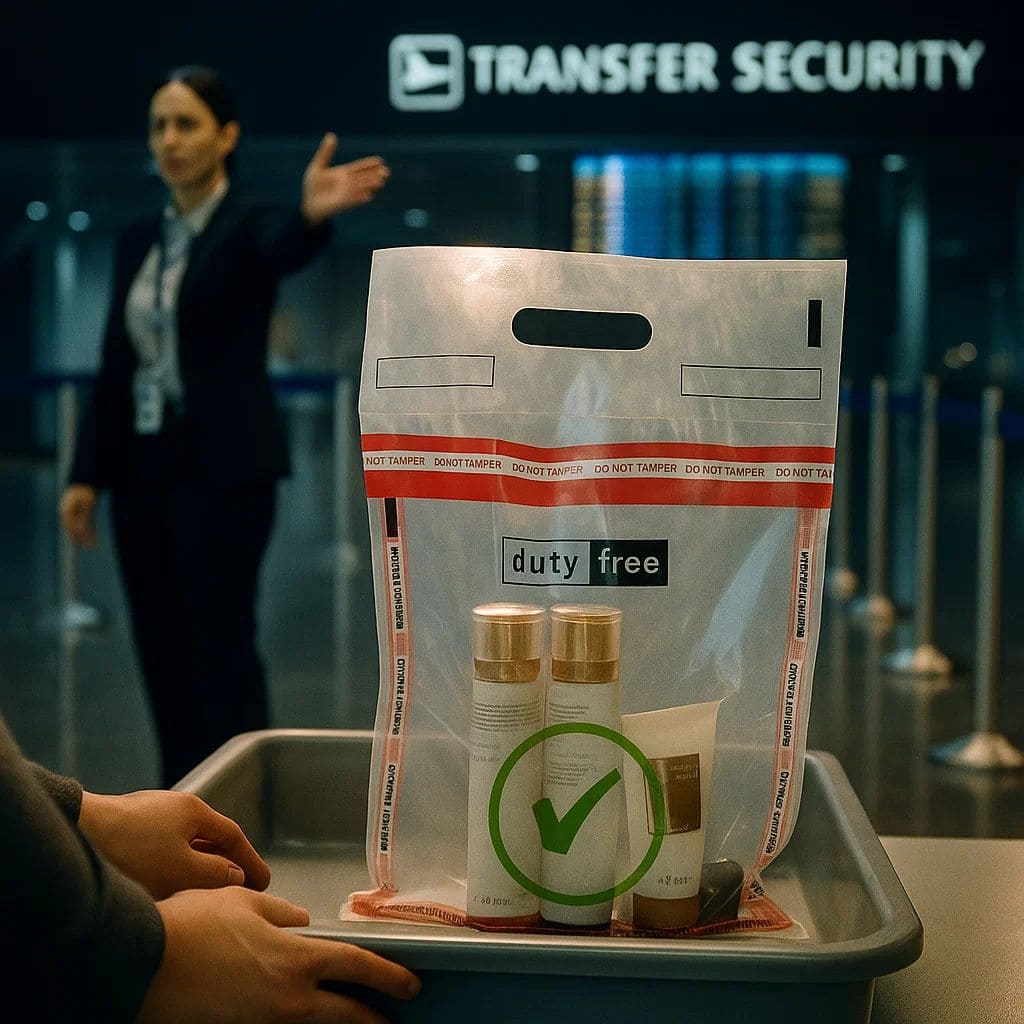
What Is a Tamper-Evident Envelope?

A tamper-evident envelope is a type of security envelope designed to show visible signs if it has been opened or tampered with. Unlike standard envelopes, these envelopes have built-in features, such as specialized seals, adhesive tapes, or markings, that break or become visible if someone tries to open the envelope. These features make it easy to detect any unauthorized access, ensuring that the contents remain safe and secure throughout the shipping or handling process.

Key Features of Tamper-Evident Envelopes

  1. Specialized Seal or Tape: Often, tamper-evident envelopes include a sealing mechanism (like a tamper-evident adhesive) that shows a broken or altered seal if someone attempts to open the envelope.

  2. Visible Markings: Some envelopes include marks or inks that change color or become visible if tampered with, providing an immediate indication of unauthorized access.

  3. Resistant Materials: The envelope material is often made from high-strength materials that resist damage, making it difficult to reseal once it has been opened.

What Are the Requirements for Tamper-Evident Envelopes?

Tamper-evident envelopes must meet specific requirements to effectively protect their contents. Here are the key features and standards that define a tamper-evident envelope:

  1. Visible Tamper Markings: The envelope must clearly show signs of tampering if any attempt is made to open it. This could include a broken seal, color change on a security tape, or visible patterns.

  2. Durability: The envelope should be made from strong, tear-resistant materials to prevent unauthorized access. Common materials include reinforced paper, plastic, or laminated films.

  3. Self-Sealing Mechanism: A tamper-evident envelope typically has a built-in sealing feature that, once broken, cannot be resealed without leaving evidence of tampering.

  4. Compliance with Standards: Many tamper-evident envelopes are designed to meet industry-specific standards, including those for shipping valuable items, financial documents, and legal papers. For example, the ISO 9001 standard may apply to manufacturing processes for tamper-evident envelopes.

How to Tell if a Seal Has Been Tampered With?

One of the main functions of a tamper-evident envelope is to allow recipients to easily determine if the envelope has been tampered with. Here are some common signs to look for:

Signs of Tampering

  1. Broken or Distorted Seals: Most tamper-evident envelopes feature seals that are broken when the envelope is opened. Check for any irregularities in the seal, such as distortion or a break in the adhesive.

  2. Visible Ink Changes: Some envelopes have security ink that changes color or forms visible patterns when tampered with. If the envelope shows signs of these changes, it has likely been opened or tampered with.

  3. Torn or Damaged Edges: If the envelope’s edges appear torn, scratched, or damaged, it may indicate that it has been forcibly opened.

  4. Residual Marks or Stickiness: A tamper-evident envelope may leave adhesive residue or marks if someone has tried to reseal it, making it easy to spot potential tampering.

What Is the Purpose of a Security Envelope?

The primary purpose of a security envelope is to protect the contents inside from unauthorized access and tampering. Security envelopes are essential in many industries and applications, particularly where confidential information, money, or high-value items are being transported.

Key Purposes of Security Envelopes

  • Protection of Sensitive Information: Security envelopes are often used in the legal, financial, and medical industries to ensure that documents and records are not tampered with during transit.

  • Cash Transportation: They are commonly used to transport money, including currency and checks, to ensure that the contents are not stolen or tampered with.

  • Preventing Fraud: Tamper-evident envelopes help prevent fraud by making it immediately obvious if an envelope has been opened without authorization.

  • Complying with Industry Regulations: In industries like pharmaceuticals, law enforcement, and banking, tamper-evident envelopes help comply with regulations for secure handling and transportation of sensitive materials.

What Are Examples of Tamper Detection?

Tamper detection is a critical feature of tamper-evident envelopes. Here are some examples of tamper detection methods:

Common Tamper Detection Techniques

  1. Tamper-Evident Tape: This tape leaves a visible mark or color change if it is removed or disturbed, making it easy to spot tampering.

  2. Security Ink: Some envelopes use special security ink that changes color or forms patterns when tampered with, making any attempt at tampering easy to detect.

  3. Barcodes or RFID Tags: Modern tamper-evident envelopes may include RFID tags or barcodes that help track the envelope and detect any tampering during transit.

  4. Tear Strips: Some envelopes feature tear strips that break when the envelope is opened, making it clear that the envelope has been compromised.

Conclusion

Tamper-evident envelopes are an essential tool for protecting sensitive information and valuable items during transit. By utilizing special features like tamper-evident seals, security tape, and tamper detection methods, these envelopes ensure that any unauthorized access is immediately visible. Whether you’re dealing with legal documents, financial transactions, or valuable goods, tamper-evident envelopes provide a critical layer of security.

If you need to ensure the safe transport of your sensitive materials, investing in tamper-evident envelopes is a smart choice. Not only do they offer peace of mind, but they also help you comply with industry standards and regulations.

duty-free bag

The Importance of ICAO-Certified STEBs in Aviation Security

Introduction
In the world of aviation security, ensuring the safe transport of goods is critical. One of the most vital innovations in this area has been the development of ICAO-certified STEBs (Security Tamper-Evident Bags). These bags play an essential role in the transportation of duty-free goods and high-value items, ensuring that they are secure and tamper-proof throughout their journey. In this blog post, we will explore the importance of ICAO-certified STEBs and why they are the gold standard in aviation security.

What is an ICAO-Certified STEB?
ICAO (International Civil Aviation Organization) sets the global standard for aviation security, and a STEB is a specially designed bag that complies with ICAO’s requirements for secure transport. These bags are tamper-evident, meaning any attempt to open or alter the contents will be immediately noticeable. ICAO certification ensures that the bags meet stringent safety and security standards, which makes them ideal for use in airports, duty-free shops, and by law enforcement agencies around the world.

The Advantages of ICAO-Certified STEBs

  1. Tamper-Evident Security: The bags are designed to clearly show if any tampering has occurred, providing an additional layer of security for both goods and passengers.

  2. Compliance with ICAO Standards: ICAO-certified bags are rigorously tested to ensure they meet international security standards. This provides peace of mind to airports, security agencies, and businesses alike.

  3. Global Recognition: As ICAO sets the standards for aviation security worldwide, using ICAO-certified STEBs ensures that the products comply with the highest level of safety and security recognized across international borders.

  4. Protection for Duty-Free Goods: ICAO STEBs are commonly used to secure duty-free items that are transported internationally. These bags ensure that goods are not tampered with during transit, preventing potential theft or loss.

Why ICAO-Certified STEBs Matter
Unlike some other products that may not have the required certifications, ICAO-certified STEBs provide verifiable compliance, ensuring that your products or goods are transported safely and securely across borders. Choosing ICAO-certified STEBs over non-certified alternatives is crucial, especially when dealing with high-value or regulated goods such as pharmaceuticals, electronics, and currency.

The Benefits of Adsure’s ICAO-Certified STEBs

  • Pioneers in the Market: Adsure Packaging is one of the first companies in Asia to offer ICAO-certified STEBs, and we have been a leader in both online and offline sales of these security bags. This experience ensures that our products are not only compliant but also of the highest quality.

  • Innovative Solutions: Our ICAO-certified STEBs come with advanced security features, such as clear evidence of tampering, which gives users confidence in the safety of their items.

  • Trusted by the Industry: As a company that specializes in tamper-evident security packaging, we offer products that meet and exceed the requirements of industries worldwide, from airports to law enforcement and beyond.

Conclusion
In today’s globalized world, the need for secure transport of goods has never been more important. ICAO-certified STEBs are the ultimate solution for ensuring that duty-free and other high-value items are protected throughout their journey. At Adsure Packaging, we are proud to be pioneers in this field, providing the highest quality, ICAO-certified tamper-evident bags. Trust in our expertise and choose the bags that meet the gold standard in aviation security.