Smart Logistics with RFID-Enabled Tamper-Evident Security Bags

RFID Security Bags for Logistics: Real-Time Tracking Meets Tamper-Evident Protection

RFID Security Bags for Logistics: Real-Time Tracking Meets Tamper-Evident Protection

RFID security bags help logistics, banking, retail, pharmaceutical, and high-value goods teams combine tamper-evident packaging with fast digital identification. Instead of treating each shipment as a sealed plastic bag that must be checked manually, RFID security bags add an embedded chip so every bag can be read, verified, and tracked across checkpoints. For companies that need tighter chain of custody, faster audits, and fewer blind spots in transit, this technology turns security packaging into a smarter supply-chain control point.
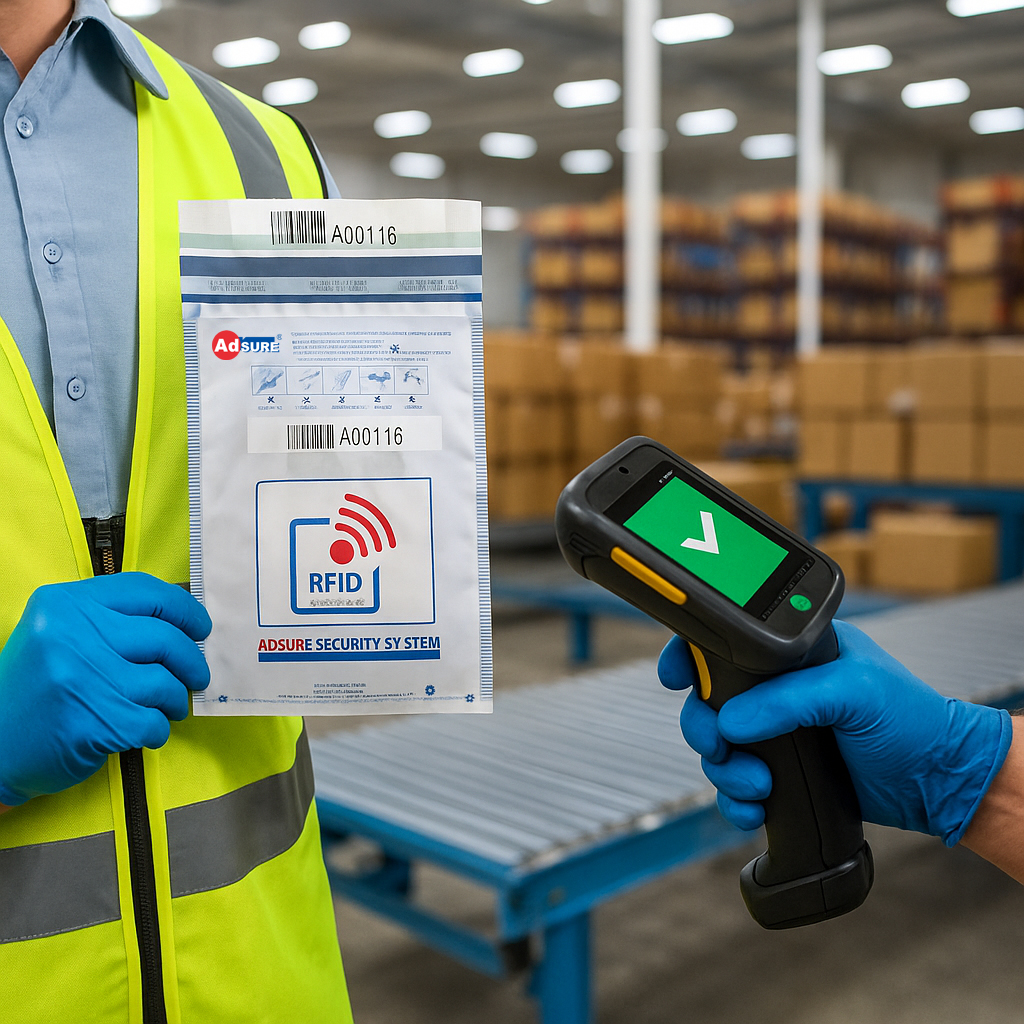
Smart Logistics with RFID-Enabled Tamper-Evident Security Bags

Why RFID Security Bags Are Becoming a Logistics Priority

Traditional tamper-evident security bags are effective because they reveal unauthorized opening through security tape, serial numbering, barcodes, void messages, or irreversible seal damage. However, many logistics workflows still depend on manual scanning and visual inspection. That creates friction when a warehouse, bank branch, cash-in-transit operator, or distribution center must verify hundreds or thousands of secure bags per day.

RFID security bags solve this gap by combining physical tamper evidence with digital traceability. Adsure’s RFID Security Bags are designed with RFID transmitter chips and the same security features used in Adsure tamper-evident bags, while still allowing customer-specific sizes, printing, numbering, and operational requirements.1

Industry practice also supports the shift. RFID-based tamper detection can reduce direct visual inspection because multiple tags can be read from a distance without line-of-sight, whereas barcode-based checking generally requires each item to be scanned directly.2 In practical terms, RFID security bags allow a logistics team to confirm bag identity, status, and movement faster, with fewer manual handling steps.

Logistics challenge Standard security bag response RFID security bags response
Manual checkpoint verification Visual check plus barcode or serial-number scan RFID read at receiving, dispatch, vehicle loading, or secure room entry
Chain-of-custody records Paper logs or manual system updates Digital bag ID tied to scan history and operator workflow
High-volume audits Slow, item-by-item inspection Batch reading where reader environment supports it
Loss prevention Evidence after seal tampering is found Earlier exception visibility when a bag fails expected scan status
WMS/ERP integration Often requires manual entry RFID event data can be mapped into warehouse or logistics systems

How RFID Security Bags Work in a Chain-of-Custody Workflow

An RFID security bag contains an RFID tag or chip that stores a unique identifier and, depending on the chosen system, may also support shipment references, handling instructions, or other data fields. At each logistics checkpoint, an RFID reader captures the bag’s identity and sends the event to a central system. The organization can then match the physical bag to its expected route, handler, location, and status.

For teams standardizing bag-level identity data, the GS1 RFID standards explain how Electronic Product Codes (EPCs) can be encoded onto RFID tags to support unique identification and supply-chain visibility.

This is the key operational difference between a normal tamper-evident bag and RFID security bags. A standard bag tells you whether a seal appears intact when someone checks it. RFID security bags help document where the bag was read, when it was read, and whether it fits the expected custody path. For high-value shipments, that added visibility can be the difference between a late investigation and an earlier exception alert.

Passive vs. Active RFID Security Bags

Most buyers ask whether they need passive or active RFID security bags. Passive RFID tags are powered by the reader signal, so they are typically more cost-efficient and suitable for checkpoint, warehouse, counter, or secure-room workflows. Active RFID tags include their own power source, so they can support longer read ranges and wider-area asset tracking, but they also raise cost and system complexity.

For many security-bag applications, passive RFID is a strong starting point because the bag only needs to be read at controlled points such as packing, dispatch, vehicle loading, delivery confirmation, evidence transfer, or cash-room intake. Active RFID may be appropriate when the organization needs wider-zone monitoring, yard visibility, or longer-distance automated reads.

RFID option Typical fit Main advantage Selection note
Passive RFID Banking deposits, retail cash bags, document custody, pharmaceutical samples, warehouse checkpoints Lower unit cost and simple checkpoint deployment Best when readers are installed at defined process points
Active RFID Large facilities, yards, high-value asset movements, long-distance monitoring Longer read range and continuous visibility potential Best when the tracking value justifies higher system cost

Key Benefits of RFID Security Bags for High-Value Goods

The first benefit is faster verification. RFID readers can identify tags without the same line-of-sight requirement that limits barcode processes, and some RFID workflows can read multiple tags in the same pass. For busy cash centers, 3PL hubs, pharmaceutical warehouses, and secure archives, this reduces queue time and creates a cleaner audit trail.

The second benefit is better chain-of-custody control. Each RFID security bag can be connected with a unique serial number, order record, route, shipment ID, or receiving event. If a bag is missing, delayed, or scanned in the wrong location, the system can flag an exception earlier than a purely manual process.

The third benefit is loss prevention and accountability. Tamper-evident packaging discourages unauthorized opening, while RFID tracking improves the evidence trail around possession and movement. This is valuable for banking, cash-in-transit, casinos, law enforcement, medical logistics, retail loss prevention, and electronics distribution.
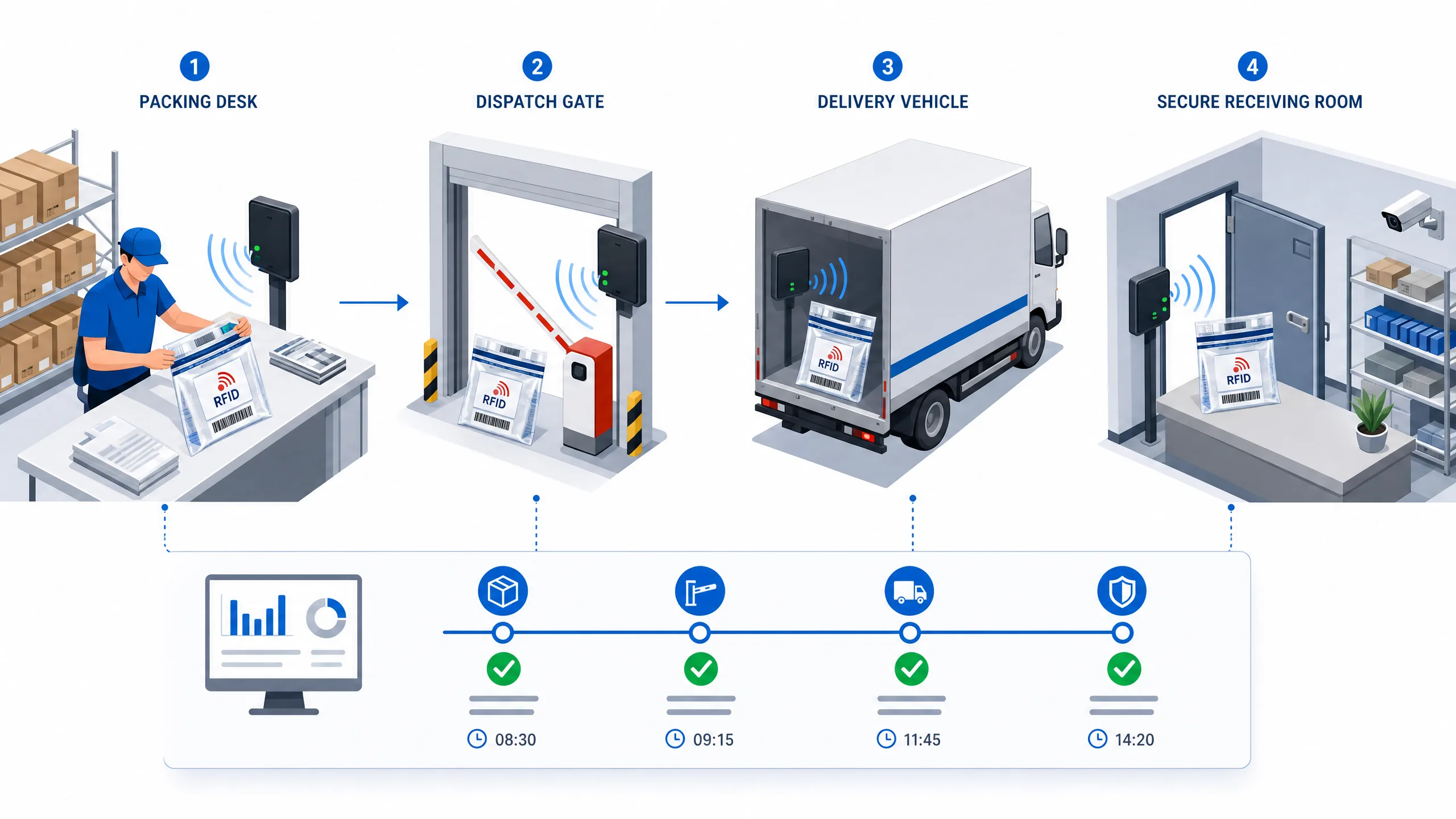
RFID checkpoint workflow for security bags

RFID Security Bags: Applications by Industry

RFID security bags are especially useful where products are valuable, sensitive, regulated, or difficult to replace. In banking and cash-in-transit, they help identify deposits, ATM replenishment bags, and cash movements. In retail, they support store-to-bank deposits and high-loss item transfer. In pharmaceuticals and healthcare, they can reinforce custody records for controlled samples, sensitive medications, or trial materials. In legal, forensic, and government workflows, they add traceability to evidence, documents, records, and restricted materials.

Industry Typical contents Why RFID security bags help
Banking and cash-in-transit Cash, coins, ATM cassettes, deposit records Faster intake, serialized identity, stronger custody history
Retail and luxury goods Daily cash deposits, jewelry, electronics, high-value returns Loss prevention and easier exception investigation
Pharmaceuticals and healthcare Sensitive samples, controlled products, medical records Traceable custody and reduced manual handling errors
Logistics and 3PL High-value parcels, documents, replacement parts Better shipment visibility between controlled checkpoints
Law enforcement and government Evidence, restricted documents, seized property Stronger auditability and clear transfer records

Custom RFID Security Bags from Adsure

Adsure’s RFID Security Bags are positioned as high-level tamper-evident bags for transporting money and valuables. The official product range can be supplied with RFID transmitter chips, clear or opaque film options, and custom specifications.1 Standard sizes listed by Adsure include 6×9 inch, 8×10 inch, 9×12 inch, 10×13 inch, 12×15 inch, 14×19 inch, 19×24 inch, and 22×24 inch.1

For buyers, customization is not a cosmetic detail; it is part of the security design. Bag dimensions, film opacity, barcode format, RFID inlay placement, serial numbering, security message, adhesive closure, receipt tear-off, writable panels, and printed instructions all affect real-world usability. A well-designed RFID security bags program should match the reader environment, handling process, contents, and risk level.

If your team is comparing options, start with the dedicated Adsure product page for RFID-enabled bags, then review related Custom Tamper Evident Security Bags for closure styles and printed options. For buyers who need different security levels, Adsure also lists stock options such as Level 2 and Level 4 security bags on the RFID product page.1

What to Specify Before Ordering Trackable Security Bags

A clear specification helps avoid mismatched RFID performance. Before requesting a quotation, define the contents, expected bag dimensions, read points, reader type, read distance, desired data fields, WMS or ERP integration needs, and disposal or reuse policy. The RFID tag must be protected from impact, moisture, abrasion, and handling stress during the full logistics cycle.
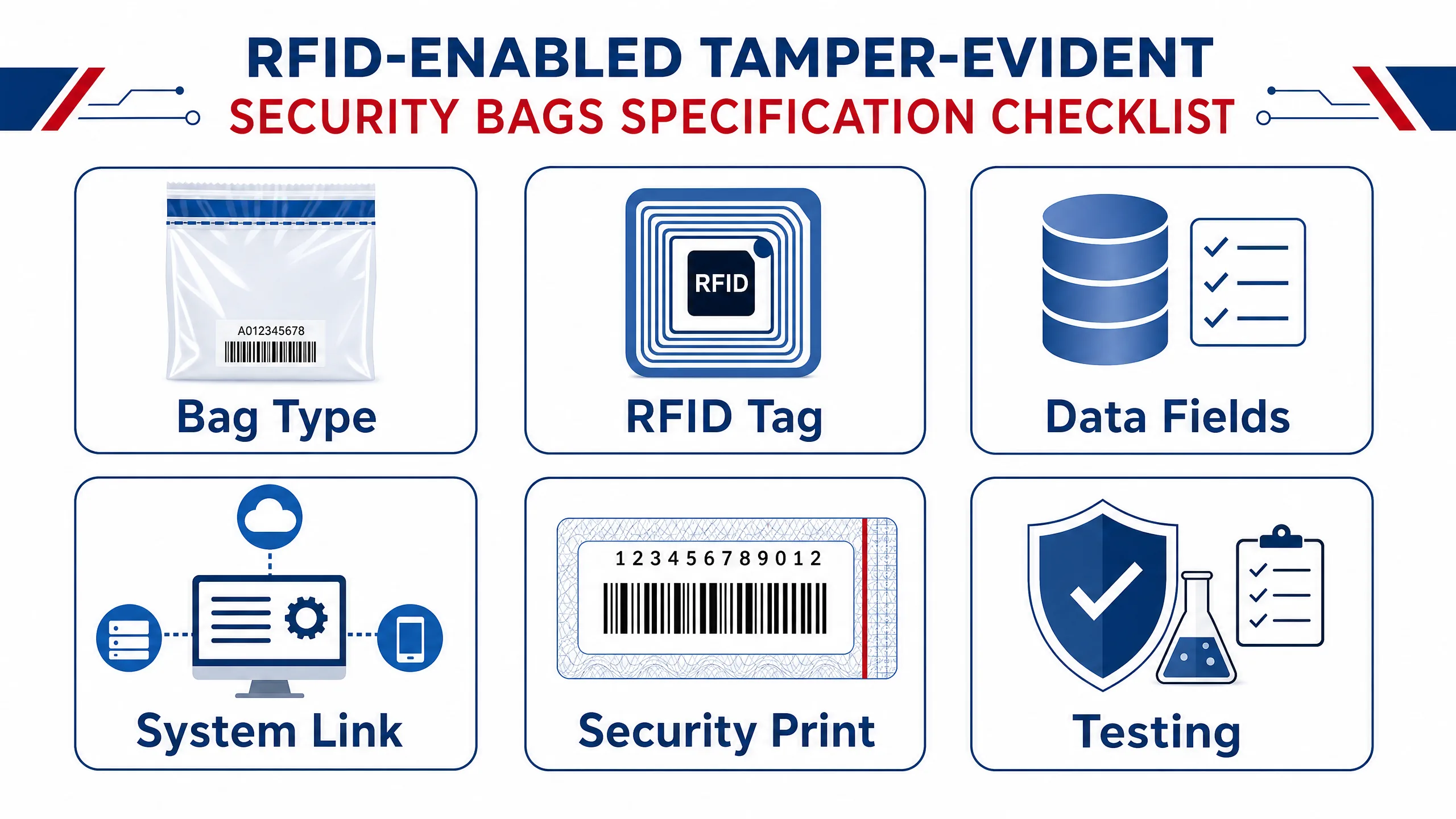
RFID security bag specification checklist infographic

Specification area Questions to answer before production
Bag construction Should the bag be clear, opaque, single-use, reusable, heavy-duty, or document-friendly?
RFID requirement Is passive RFID enough, or does the workflow require active RFID and longer read range?
Data structure Should the tag connect to a unique serial number, shipment ID, order number, or custody record?
System integration Will RFID reads be exported into WMS, ERP, TMS, evidence management, or cash-management software?
Security print Do you need barcodes, QR codes, sequential numbering, logos, warning text, or tear-off receipts?
Testing Should samples be validated for readability, seal performance, transit durability, and operator handling?

Cost and ROI: When Trackable Security Bags Make Commercial Sense

These bags usually cost more than standard tamper-evident bags because they include RFID components and may require reader infrastructure. The business case becomes stronger when the organization has high shipment value, high inspection volume, strict compliance requirements, frequent custody disputes, or meaningful labor cost in manual verification.

A practical ROI model should compare the total process cost, not only the bag price. If the RFID-enabled format reduces manual scanning, shortens receiving time, improves inventory accuracy, prevents losses, or speeds up investigations, the payback can be higher than a simple unit-cost comparison suggests. This is especially true for cash logistics, pharmaceuticals, electronics, luxury retail, and controlled-document operations.

FAQ: Secure RFID Bags

What is an RFID security bag?

An RFID security bag is a tamper-evident bag with an embedded RFID chip or tag. The bag still provides physical tamper evidence, but the RFID component adds a digital identity that can be read at logistics checkpoints. This helps organizations track movement, verify custody, and connect each bag to shipment or inventory records.

How do trackable security bags work for logistics tracking?

RFID-enabled security bags are scanned by RFID readers at defined checkpoints such as packing, dispatch, loading, delivery, or secure-room intake. The reader captures the tag ID and sends the event to a central system. This creates a digital history of where and when the bag was handled without requiring the same line-of-sight process used by barcodes.

Can trackable security bags integrate with a warehouse management system?

Yes, RFID event data can typically be mapped into warehouse management, logistics, cash-management, or evidence-management systems. The exact integration depends on the reader hardware, middleware, tag data structure, and software environment. Adsure can help define the bag specification so it supports the customer’s operational workflow.

Are these bags reusable?

The RFID-enabled format can be designed as single-use or reusable products depending on the material, seal structure, and risk model. Single-use bags are common when irreversible tamper evidence is the priority. Reusable versions may fit closed-loop logistics where the organization can control return, inspection, and cleaning procedures.

What industries benefit most from secure RFID bags?

Banking, cash-in-transit, retail, logistics, pharmaceuticals, healthcare, law enforcement, and government departments benefit most from RFID-enabled bags. These sectors handle valuable or sensitive contents, require reliable custody records, and often need faster verification than manual inspection alone can provide.

Conclusion: Trackable Security Bags Turn Secure Packaging into Supply-Chain Infrastructure

Trackable security bags are a practical upgrade for organizations that need more than a sealed package. They combine tamper-evident protection with digital identity, checkpoint visibility, and stronger chain-of-custody records. For logistics teams managing valuable, sensitive, or regulated contents, these bags can reduce manual work, improve accountability, and create a more reliable security process from packing to final handover.

Get a Free RFID Security Bags Quote Today »

Reviewed by: Adsure Packaging Technical Team

Trademark Disclaimer: Autobag®, SidePouch®, and FAS SPRint Revolution™ are trademarks of Automated Packaging Systems, Inc. (a Sealed Air company). Adsure Packaging is not affiliated with, endorsed by, or authorized by Sealed Air Corporation or Automated Packaging Systems. All compatible products are independently manufactured by Adsure Packaging.
References

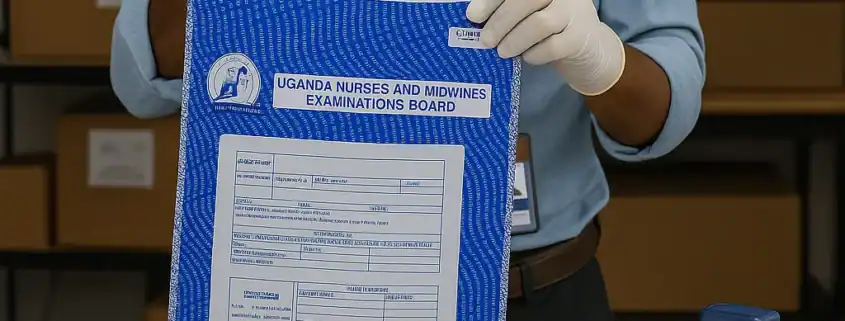
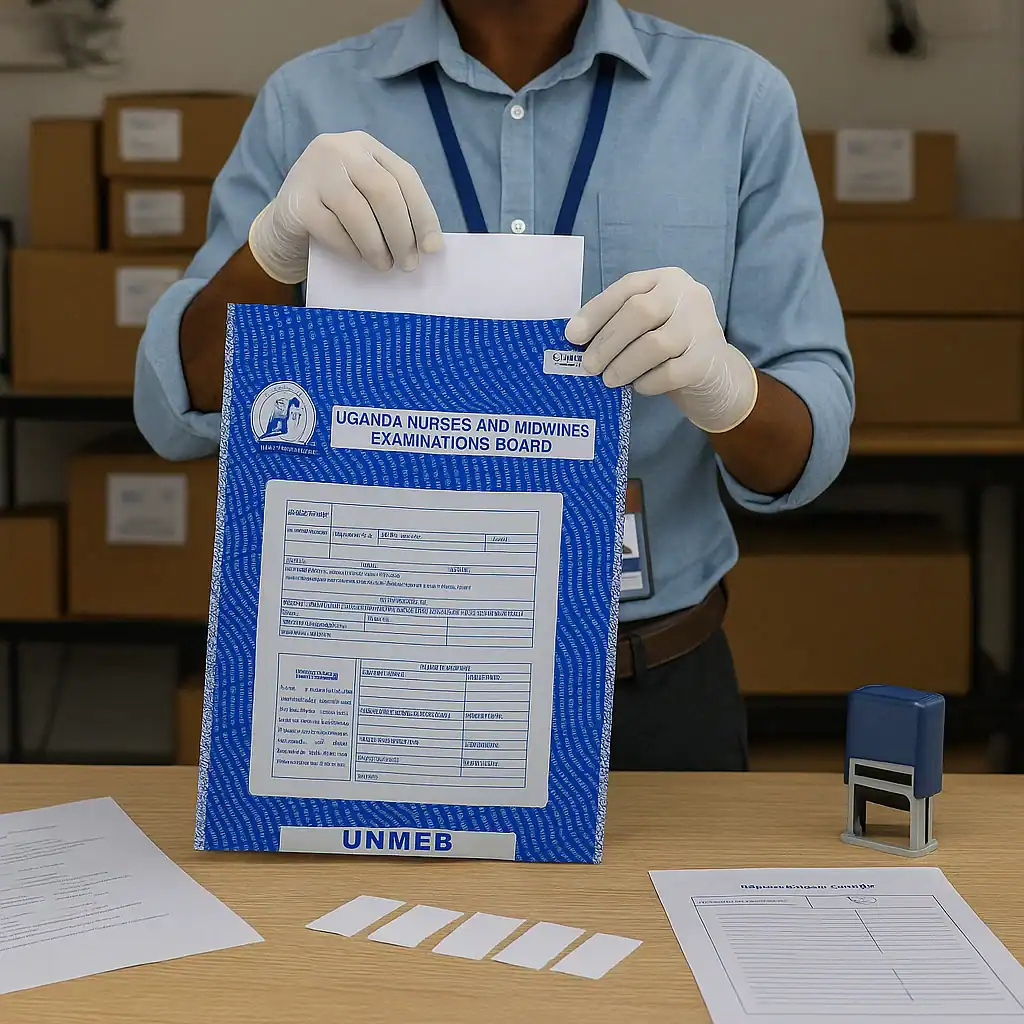
Exam staff sealing test papers and answer sheets in tamper-evident confidential document bag

The Ultimate Guide to Tamper-Evident Envelopes: Securing Your Sensitive Items

In today’s world, where security is paramount, ensuring the safety of sensitive information during transit is critical. Whether it’s important documents, cash, or valuable items, protecting these from tampering is essential. This is where tamper-evident envelopes come into play. These specially designed envelopes offer a level of protection that makes it easy to spot if a package has been tampered with. In this article, we will dive into everything you need to know about tamper-evident envelopes, including their purpose, how to detect tampering, and the requirements they must meet.

What Is a Tamper-Evident Envelope?

A tamper-evident envelope is a type of security envelope designed to show visible signs if it has been opened or tampered with. Unlike standard envelopes, these envelopes have built-in features, such as specialized seals, adhesive tapes, or markings, that break or become visible if someone tries to open the envelope. These features make it easy to detect any unauthorized access, ensuring that the contents remain safe and secure throughout the shipping or handling process.

Key Features of Tamper-Evident Envelopes

  1. Specialized Seal or Tape: Often, tamper-evident envelopes include a sealing mechanism (like a tamper-evident adhesive) that shows a broken or altered seal if someone attempts to open the envelope.

  2. Visible Markings: Some envelopes include marks or inks that change color or become visible if tampered with, providing an immediate indication of unauthorized access.

  3. Resistant Materials: The envelope material is often made from high-strength materials that resist damage, making it difficult to reseal once it has been opened.

What Are the Requirements for Tamper-Evident Envelopes?

Tamper-evident envelopes must meet specific requirements to effectively protect their contents. Here are the key features and standards that define a tamper-evident envelope:

  1. Visible Tamper Markings: The envelope must clearly show signs of tampering if any attempt is made to open it. This could include a broken seal, color change on a security tape, or visible patterns.

  2. Durability: The envelope should be made from strong, tear-resistant materials to prevent unauthorized access. Common materials include reinforced paper, plastic, or laminated films.

  3. Self-Sealing Mechanism: A tamper-evident envelope typically has a built-in sealing feature that, once broken, cannot be resealed without leaving evidence of tampering.

  4. Compliance with Standards: Many tamper-evident envelopes are designed to meet industry-specific standards, including those for shipping valuable items, financial documents, and legal papers. For example, the ISO 9001 standard may apply to manufacturing processes for tamper-evident envelopes.

How to Tell if a Seal Has Been Tampered With?

One of the main functions of a tamper-evident envelope is to allow recipients to easily determine if the envelope has been tampered with. Here are some common signs to look for:

Signs of Tampering

  1. Broken or Distorted Seals: Most tamper-evident envelopes feature seals that are broken when the envelope is opened. Check for any irregularities in the seal, such as distortion or a break in the adhesive.

  2. Visible Ink Changes: Some envelopes have security ink that changes color or forms visible patterns when tampered with. If the envelope shows signs of these changes, it has likely been opened or tampered with.

  3. Torn or Damaged Edges: If the envelope’s edges appear torn, scratched, or damaged, it may indicate that it has been forcibly opened.

  4. Residual Marks or Stickiness: A tamper-evident envelope may leave adhesive residue or marks if someone has tried to reseal it, making it easy to spot potential tampering.

What Is the Purpose of a Security Envelope?

The primary purpose of a security envelope is to protect the contents inside from unauthorized access and tampering. Security envelopes are essential in many industries and applications, particularly where confidential information, money, or high-value items are being transported.

Key Purposes of Security Envelopes

  • Protection of Sensitive Information: Security envelopes are often used in the legal, financial, and medical industries to ensure that documents and records are not tampered with during transit.

  • Cash Transportation: They are commonly used to transport money, including currency and checks, to ensure that the contents are not stolen or tampered with.

  • Preventing Fraud: Tamper-evident envelopes help prevent fraud by making it immediately obvious if an envelope has been opened without authorization.

  • Complying with Industry Regulations: In industries like pharmaceuticals, law enforcement, and banking, tamper-evident envelopes help comply with regulations for secure handling and transportation of sensitive materials.

What Are Examples of Tamper Detection?

Tamper detection is a critical feature of tamper-evident envelopes. Here are some examples of tamper detection methods:

Common Tamper Detection Techniques

  1. Tamper-Evident Tape: This tape leaves a visible mark or color change if it is removed or disturbed, making it easy to spot tampering.

  2. Security Ink: Some envelopes use special security ink that changes color or forms patterns when tampered with, making any attempt at tampering easy to detect.

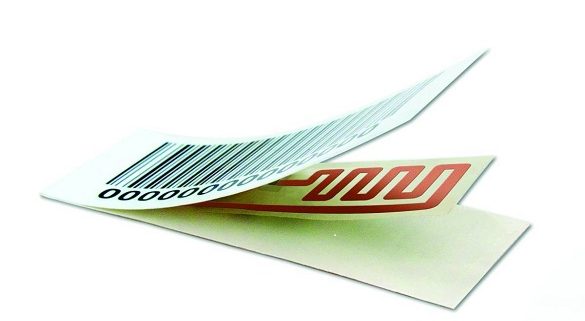
  3. Barcodes or RFID Tags: Modern tamper-evident envelopes may include RFID tags or barcodes that help track the envelope and detect any tampering during transit.

  4. Tear Strips: Some envelopes feature tear strips that break when the envelope is opened, making it clear that the envelope has been compromised.

Conclusion

Tamper-evident envelopes are an essential tool for protecting sensitive information and valuable items during transit. By utilizing special features like tamper-evident seals, security tape, and tamper detection methods, these envelopes ensure that any unauthorized access is immediately visible. Whether you’re dealing with legal documents, financial transactions, or valuable goods, tamper-evident envelopes provide a critical layer of security.

If you need to ensure the safe transport of your sensitive materials, investing in tamper-evident envelopes is a smart choice. Not only do they offer peace of mind, but they also help you comply with industry standards and regulations.

standard-RFID-tags

RFID Technology for Cash Transfer Security

Although there are variety of solution for cash transfer security. People still worry about the safety of the cash.

They have used different of security level tamper evident bag, from lower level to high level, from Level 0 to level 4.

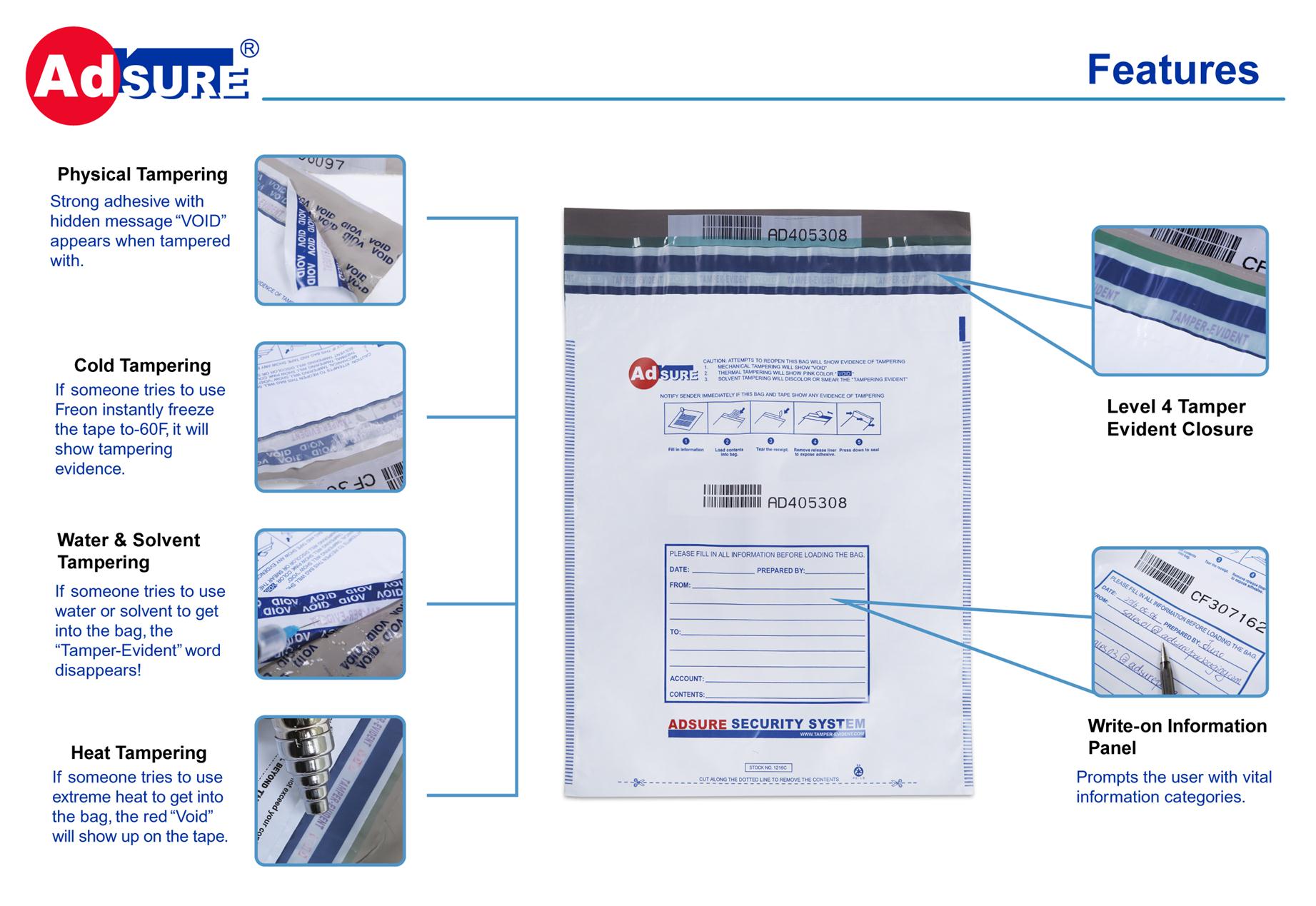
Level 0: This is the hot melt tape. When someone tries to use cold to open it and reclose it again, it will not leave any evidence.

Level 1: Strong adhesive with graphic distortion when tampered with.

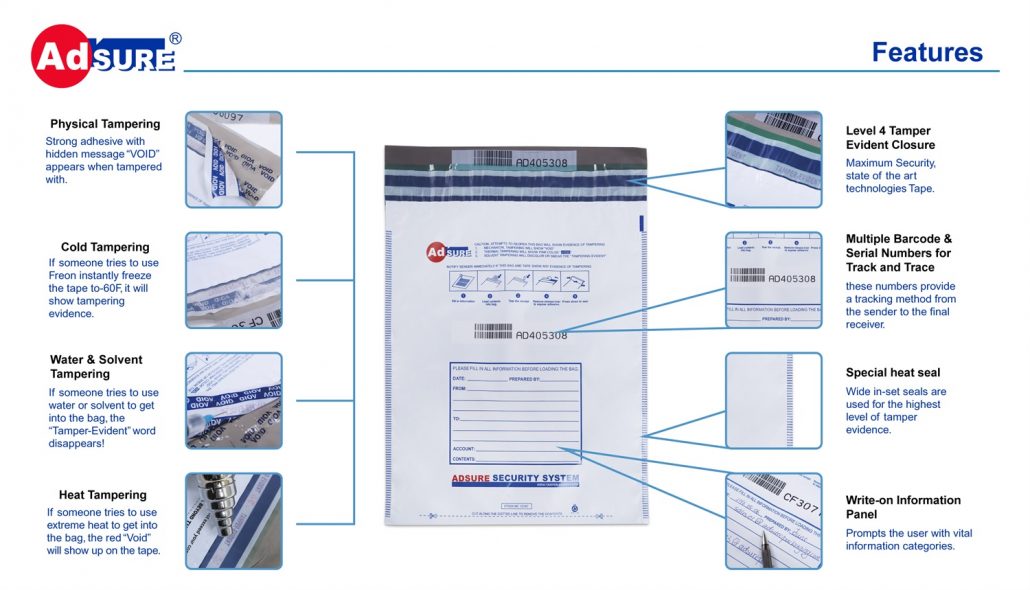
Level 2: Strong adhesive with hidden message “VOID” appears when tampered with. If someone tries to use Freon instantly freeze the tape to -60F, it will show tampering evidence.

Level 3: Level 2 plus Water & Solvent Evident. If someone tries to use water or solvent to get into the bag, the “Tamper –Evident” word disappears!

Level 4: Level 3 plus Heat Evident .

level-4-security-bags-feature

They also used different material tamper evident bag, from common plastic material to non-woven material and Tyvek material.

However, they still look for higher level for cash transportation.

They thought someone may destroy the barcode on the bag and it will influence their track and trace of the cash transportation. They even worry about the readability of the barcode and these may cause inconvenience.

Nowadays, RFID technology may be a new way to solve their questions.
RFID Security bag with E-ticket system will increase users’ confidence.

When use the RFID Security bag, you can quickly scan multiple item together, it will save your time. The RFID Tag inside the security bag will not be destroying by others. It can enhance the security of cash in transit.

The Global unique number of the RFID Tag will provide high security.

All the information of RFID Tag will store in the database of the E-Ticket System. Only the security bag information store in the database can be used. Once used, it cannot reused again.

Automatic and Smart Packaging Bags

automatic packaging

Have you imagine new way for automatic packaging?

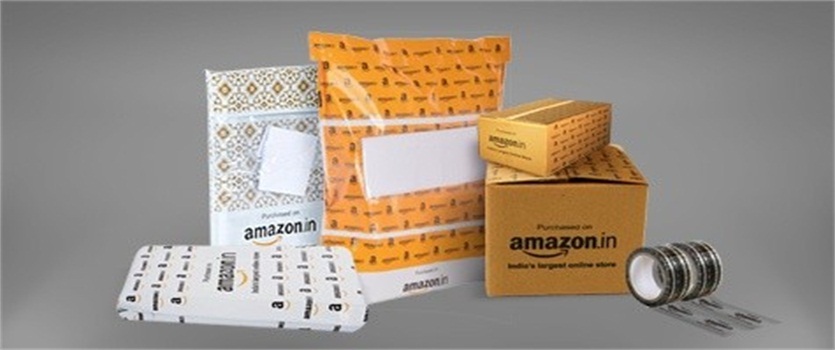
Packaging appears everywhere in our life. It has been an indispensable way for online shopping, retailers and so on.For online shopping, many online stores will use carton sealing tapes, packaging boxes, bubble mailers and poly mailers for their packaging.

Poly mailers do play an important role for shipping .Ecommerce and Courier Company normally put the shipping items into the poly mailer bags and seals it. And then put the waybill into the clear outer pouch or sticker the shipping label on to the mailing bags with courier information.

Will you think it is a good way for your packaging? Do you need to make your packaging more smart and quickly?

Automatic packaging-Auto Bag

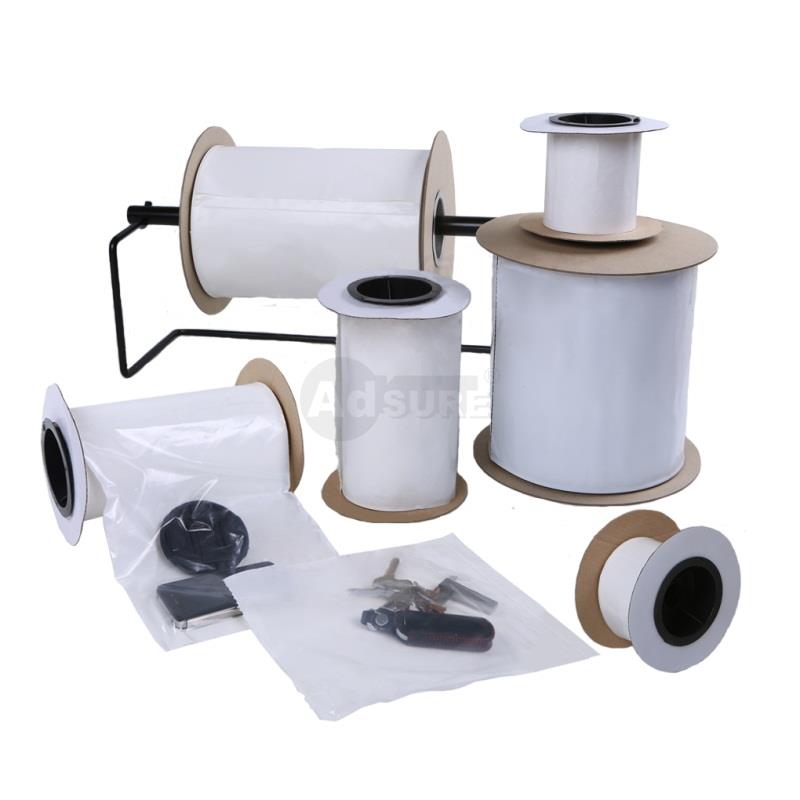
Auto Bags, are also called Pre-opened bags, which is used on automatic baggers. Each bag is pre-opened on one side and has a slit in front and a perforated back between bags and slit-top openings for automatic machine or fast hand product loading.They are ideal for apparel,small parts,seed packaging.

auto bag for small parts

People just need to put the product inside and meanwhile the thermal printing on the bag directly and the auto packaging machine will heat seal the bag very quickly.

auto-packaging

This kind of packaging method will help many online stores and people who need auto packaging quickly.

And it will save their time and cost cause there is no self-adhesive tape and shipping label or waybill.

The auto bag can be customized on rolls or fan folded in a box. Fanfold auto bag will help you save the volume and then help you save the shipping cost. But not all automatic packaging machines are suitable for these two packaging style.

custom auto bagsFanfold Auto Bag

Some machine can match this two packaging while others just can use on rolls or fanfold in a box. It also depends on your automatic packaging machine.

If your company have a lot of goods for packaging and you want to save your time for packaging. Auto bag may be a good choice for you.

cash-in-transit

Tamper Evident Bags Applications

What’s Tamper Evident Bags For?

Tamper Evident Bags are used for different applications such as Banks,CIT Companies,Retail Chain Stores,Law Enforcement Departments,Casinos and so on.

Bank Deposit Tamper Evident Bags

Tamper Evident Bags are ideal for multiple applications.They need to secure deposit, personal property, confidential documents, forensic evidence, duty free shopping and so on.

Cash In Transit Security Bags

Banks, CIT Companies, Finance Industry, Retail Chain Stores , will use this tamper evident bag to secure their deposit during cash in transit.

They also call these tamper evident bag bank deposit bag, security money bags, and safe bags.

Security Bags for Retail Chain Stores

Law Enforcement Agencies like Ministry, Police, Customs, and Prison will use these tamper evident bags for forensic evidence or some sensitive documents.

Evidence Bags for Police Law Enforcement Agencies

Casinos will use these tamper evident bags for Casino chips.

Security Bag for Casino Poker Chips and Deposit

Election will use these tamper proof bags for voting booths, polling location and poll workers.

With convenient and secure solutions for protecting election ballot, cards, data and supplies during storage and transport.

Education departments will use it to secure the sample papers, test papers and question papers during storage and transport for National Examination.

Security Bags for Education Departments and Examination Question Paper

Each bag is tamper evident. When someone tries to take out the item inside by improper way, it will show tamper evidence.

No one can take out the item without any evidence.

Normally, every tamper evident bags will have barcode and serial number for track and trace.

It can also customized with white write-on Information Panel, multiple tear-off receipt, tamper evident level, multiple compartments.

It also can print with your brand name and your design.

Security bank deposit Bagscustom tamper evident bags

For tamper evident level, it all depends on your item value and your budget.

If your item value is very high and you need high tamper evident level.

We can help you with it. Normally, level 4 tamper evident closure will be the higher level to secure your item.

However, the level 4 tamper evident closure with RFID tag will the highest on at this moment.

rfid technology

duty-free-airport-cigar-shops-stebs

Why Should Some Airport Duty Free Stores Use ICAO STEBs?

ICAO STEBs For Airport Duty Free Stores

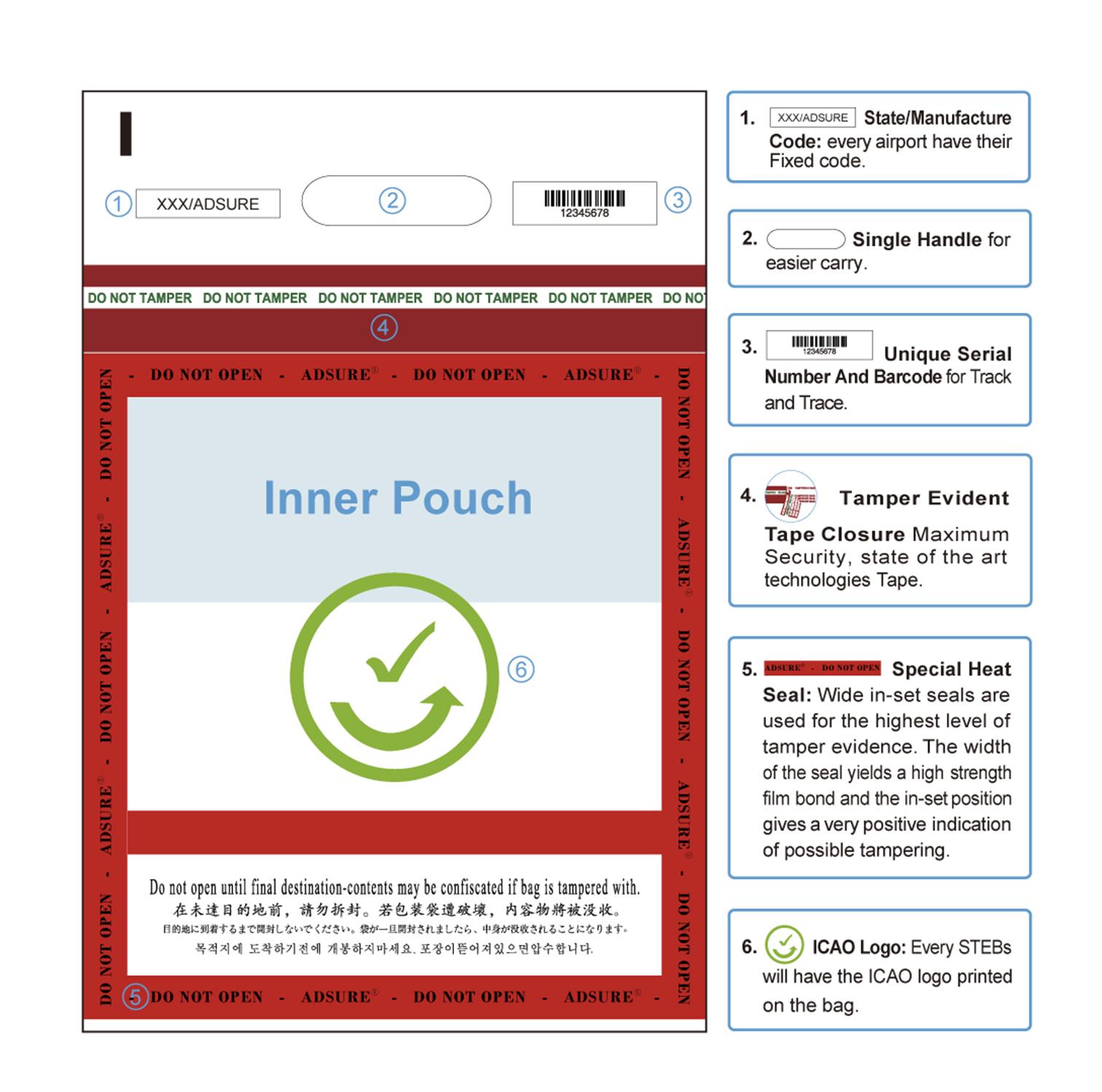
ICAO STEBs also called security tamper evident bags. They are ideal for all airlines and airport duty free stores. Each bag will have single handle for easier carry and inner pouch for receipt.

duty-free-airport-cigar-shops-stebs

Each ICAO STEBs Bags will have State/Manufacture Code and should be printed with ICAO logo.

Retailers will use the inventory code to manage the retailer’s inventory to ensure that no one steal and mishandle the no empty STEBs.

Scan the inventory code during the sale to carefully manage the STEBs inventory in the store.

icao stebs

To ensure proper security control of the supply chain processes, retailers will use safety equipment. In order to keep all options open, you can choose unique numbers, two-dimensional barcodes, RFID chips, and so on.

Only a listed of manufacturers of International Civil Aviation Organization (ICAO) are able to provide for International Airport and Duty Free Shops.

So why airport duty free stores use STEBs?

The ICAO STEBs are designed to secure LAGs (Liquids, Aerosols & Gels) purchased at airport duty free stores.

To prevent departing passengers bring threaten liquid from making devastating consequences.

Customers who buy from duty free store cannot open the ICAO STEBs bag until final destination.

If someone tamper the bag ,the custom may confiscate the contents.

If someone has tried to tamper with the bag to remove the contents, it will show tamper evidence.

The current ICAO guidelines on security controls for LAGs are effective in mitigating the threat posed by liquid explosives.

And should remain in effect and universally implemented by all Member States until effective, efficient and widely adoptable detection technology becomes available that will facilitate the gradual replacement of the current restrictions.


ADSURE SECURITY BAG FOR CASH

How to secure your cash during cash in transit?

What Is Security Bags?

Security bag is also called Safe Bags ,Tamper Evident Bags,Bank Deposit Bags.

Therefore, They are very important for Banks, Armored car company , retail chain stores.

Bank deposit bags are ideal for coin,money,deposit security during the cash in transit.  No one can open it without any evidence.

Each Security Bags will have unique barcode and serial number for track and trace.White Write-On information Panel for users to write the vital information catagories. They are all tamper evident.

level 4 security deposit bags

Security Bag will have six tamper evident level,from level 0 to level 5.Lecel 5 also called RFID security bag..Level 2 and Level 4 will be the common tamper evident level for many banks, CIT Companies, Retail chain stores.

The RFID SECURITY BAG will have the highest tamper evident level.You can choose the suitable tamper evident level.It all depends on your security packaging demand and cost.

Many brand can also customized own security deposit bags with brand names to increase brand awareness.CIT Company,Retail Chain Store,Banks,Casino normally will do custom security deposit bag with their brand name and logo.Even with their own design.

What’s the differnce between level 2 and level 4 tamper evident level?

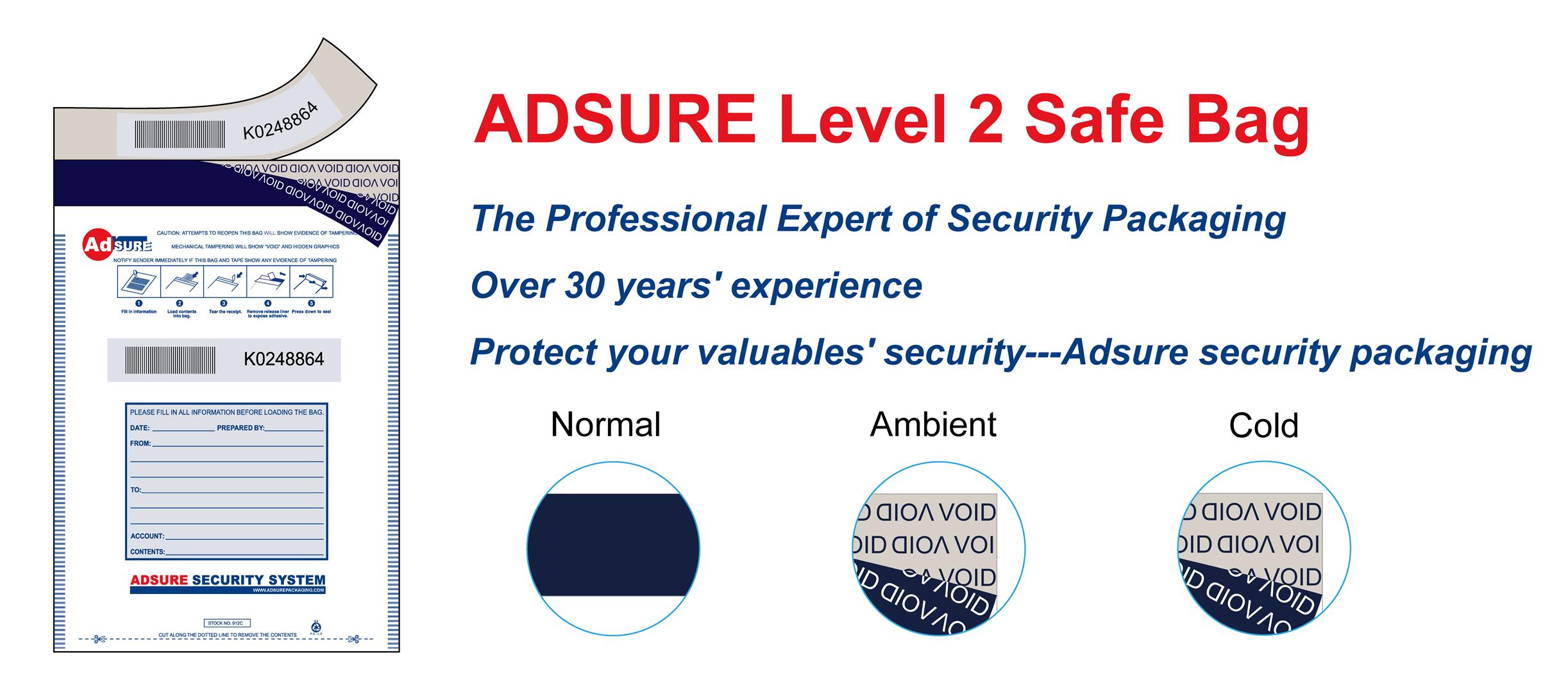
Level 2 tamper evident level:When someone try to open the bank deposit bags in the normal tamperature or extremely cold tamperature,the hidden message “VOID”appears.

level 2 tamper evident bags

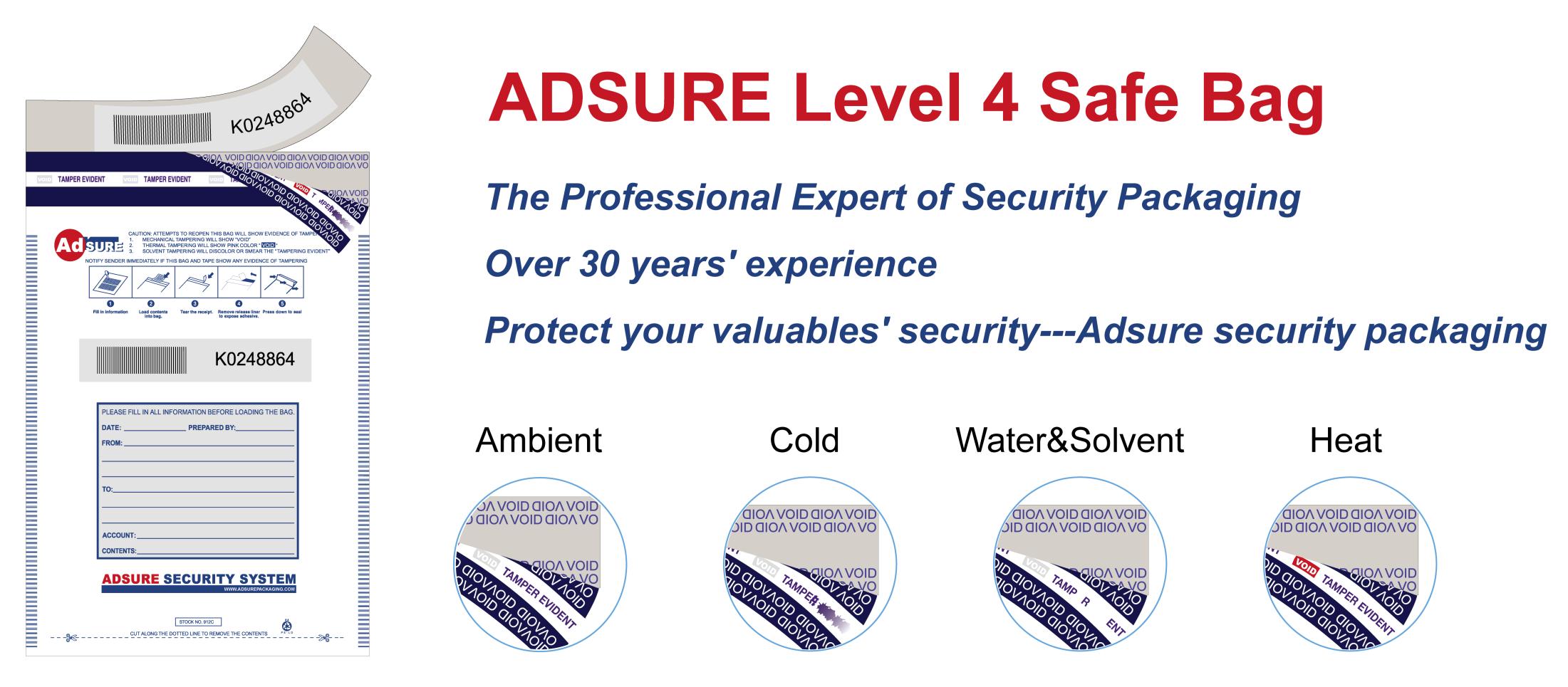
Level 4 tamper evident level:It contains all the feature of level 2 tamper evident tape.However,it is higher than it.When someone try to use water and solvent to open the bag,the “Tamper-Evident” word is disappeared.And when somone try to tamper the bag with extreme heat to get into the bag,the red word “VOID” will show up on the tape.

level 4 tamper evident bags

How to use security bags properly?

Step One: check bag to make sure there are no tears, cuts or any other signs of tampering.

Step Two: write the relevant information onto the white panel on the body of the bag and receipt.

Step Three: Tear the receipt.

Step Four: insert the contents into the security bag.

Step five: lift the tape, remove release liner and expose the adhesive.

Step six: press down seal starting from center, and moving outwards. This ensures that the seal is secure, by leaving no air pockets.

Step seven:  when receiving bag, check to make sure there are no tears, cuts or any other signs of tampering.